


Steve Mann invented a precursor to Google Glass in the 1990s—which he now uses almost 24/7. But “the father of wearable computing” has an ominous warning about where technology is taking us next.
Meta’s Ray-Ban Smart Glasses Used To Instantly Dox Strangers In Public, Thanks To AI And Facial Recognition
Harvard students hack together a system to gather intel on strangers to build their trust, then share steps for the public to protect themselves from such technology.

Warby Parker, Google to launch AI-powered smart glasses in 2026
Warby Parker said on Monday it is collaborating with Alphabet's Google to develop lightweight AI-powered glasses, with the first product expected to launch in 2026.

Think Twice Before Buying or Using Meta’s Ray-Bans
Over the last decade or so, the tech industry has tried, and mostly failed, to make “smart glasses”—tech-infused glasses with cameras, AI, maps, displays, and more—a thing. But in the past year,

Mark Zuckerberg says anyone not wearing AI glasses in the future will be at a disadvantage | Fortune
Zuckerberg said immersive smart glasses could bring the idea of the metaverse to fruition.

Meta tests ‘super sensing’ AI glasses that can capture every moment
Mark Zuckerberg’s hardware ambitions are edging into a new privacy fight over who gets recorded

The life-changing magic of wearing smartglasses | Letters
Letters: Readers respond to Elle Hunt’s review of Meta smartglasses, pointing out that the technology has a lot to offer to people with visual impairments or hearing loss
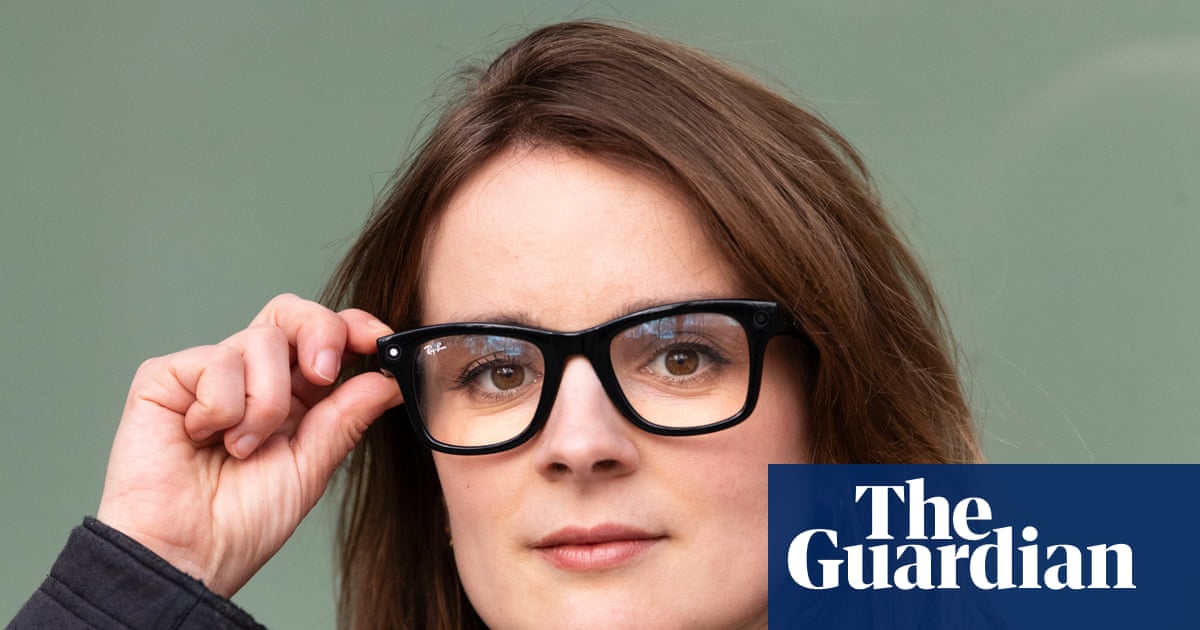
Second Version of Google Glass as a Wearable Socio-Affective Aid: Positive School Desirability, High Usability, and Theoretical Framework in a Sample of Children with Autism
Background Computerized smartglasses are being developed as an assistive technology for daily activities in children and adults with autism spectrum disorder (ASD). While smartglasses may be able to help with educational and behavioral needs, their usability and acceptability in children with ASD is largely unknown. There have been reports of negative social perceptions surrounding smartglasses use in mainstream populations, a concern given that assistive technologies may already carry their own stigma. Children with ASD may also have a range of additional behavioral, developmental, and social challenges when asked to use this emerging technology in school and home settings. Objective The usability and acceptability of Glass Enterprise Edition (Glass), the successor to Google Glass smartglasses, were explored in children with ASD and their caregivers. Methods Eight children with ASD and their caregivers were recruited to attend a demonstration session with Glass smartglasses the week they were publicly released. The children had a wide range of ability, including limited speech to speaking, and represented a full range of school ages (6 to 17 years). Children and caregivers were interviewed about their experience of using the smartglasses and whether they would use them at school and home. Results All 8 children succeeded in using Glass and did not feel stressed (8/8, 100%) or experience any overwhelming sensory or emotional issues during the session (8/8, 100%). All 8 children (8/8, 100%) endorsed that they would be willing to wear and use the device in both home and school settings. Caregivers felt the experience was fun for the children (8/8, 100%), and most caregivers felt the experience was better than they had expected (6/8, 75%). Conclusions A wide age and ability range of children with ASD used Glass immediately after it was released and found it to be usable and acceptable. Despite concerns about potential stigma or social acceptability, all of the children were prepared to use the technology in both home and school settings. Encouragingly, most caregivers noted a very positive response. There were no behavioral, developmental, or social- or stigma-related concerns during or after the session. Smartglasses may be a useful future technology for children with ASD and are readily accepted for use by children with ASD and their caregivers.

I wore Meta’s smartglasses for a month – and it left me feeling like a creep
Content creators love the built-in camera; sceptics call them ‘pervert glasses’. Do we really need any more hi-tech wearables, even with a voice assistant that sounds like Judi Dench?

Smart Glasses in Education - Artificial intelligence
Why look at smart glasses now? Smart glasses have been commercially available in some form for over a decade. More recently, they have returned to popular conversation, driven largely by Meta and its growing range of glasses. The lack of widespread adoption has been attributed to the high cost and limited capabilities of earlier models, […]
Sundar Pichai of Google: ‘Technology Doesn’t Solve Humanity’s Problems’ (Published 2018)
Growing up in India, he slept on the floor of a house without a refrigerator. Today, the chief executive is steering Google through the most turbulent period in its history.

Google and Ambient Computing
Google presented a vision of ambient computing that goes beyond the smartphone. The company is well-placed, but faces challenges both in the marketplace and in the mirror.

The Backlash Is So Strong That People With “Pervert Glasses” Are Afraid to Use Them in Public
Meta's camera-equipped "AI Glasses" are so divisive that some adopters are reportedly leaving their expensive smart glasses at home.
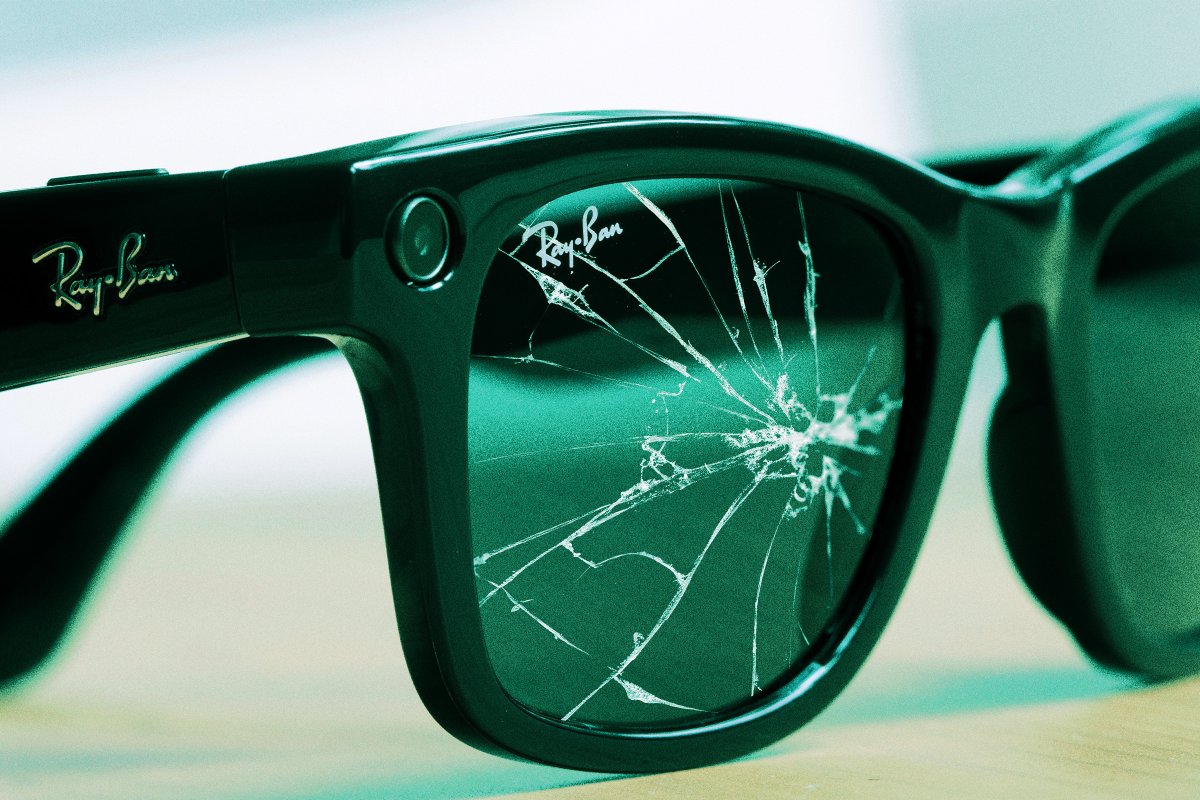
Envision Glasses
AI-powered smartglasses that articulate everyday visual information into speech, providing independence and possibilities for people who are blind or have low vision.

Reframing smart glasses as 'pervert glasses'
Smart glasses equipped with cameras, microphones, and AI are a creeping privacy and security nightmare, prompting backlash.

For Meta’s Smart Glasses, Access Is An Afterthought
Tech companies are using accessibility as a smoke screen to obfuscate the risks of AI wearables, writes Ariana Aboulafia.
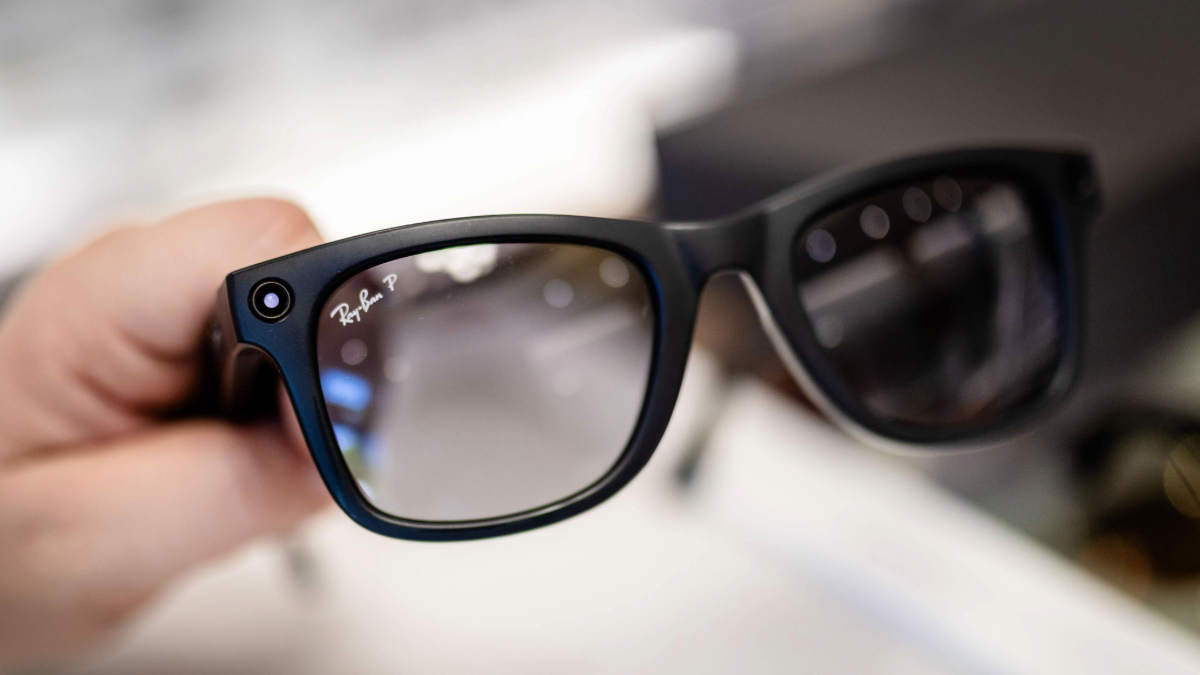
AI-powered smart glasses

Meta AI Glasses, etc.
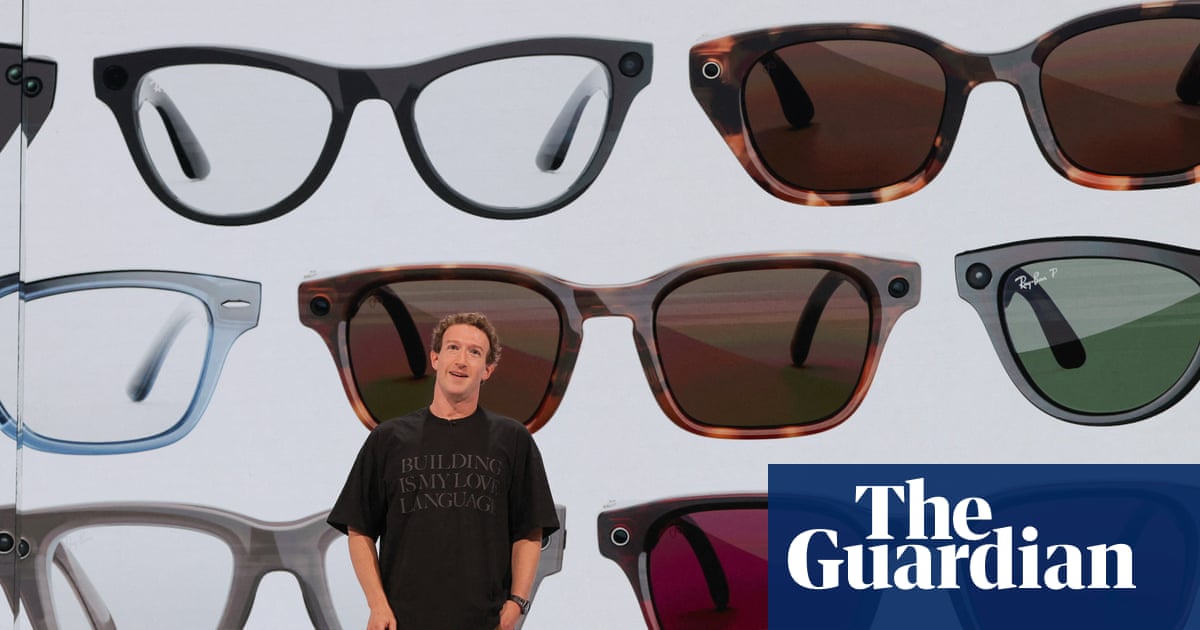
Norway plans temporary ban on smart glasses in some public places

Newsom vetoes measure that would have penalized the use of smart glasses to secretly record people
Dutch retailers suspend Meta smart glasses sales amid privacy concerns | Digital Watch Observatory

Amazon’s delivery driver smart glasses will reportedly take photos ‘almost constantly’

Meta glasses captured and shared intimate images without users' consent, lawsuit claims
A Review of the Ray-ban Meta AI Glasses for People With Low Vision