How can people who once moved as one ultra-religious organism become such dramatically different adults?
The changing nature of America’s irreligious explained
Americans are increasingly choosing not to identify with any religious tradition. But this group of irreligious people is a complex one – with different relationships to religion.
Reimagining Ourselves at the End of Our World: Kinship, Interconnection, and Spirituality in the Metacrisis - The Great Simplification
Over the past decade, the world has become increasingly chaotic and uncertain – and so, too, has our cultural vision for the future. While the events we face now may feel unprecedented, they are rooted in much deeper patterns, which humanity has been playing out for millennia. If we take the time to understand past trends, we can also employ practices and philosophies that might counteract them – such as focusing on kinship, intimacy, and resilience – to help pave the way for a better future. How might we nurture the foundations of a different kind of society, even while the end of our current civilization plays out around us?
Emancipatory migrations — Open Indie
The Great Untangling: Part 2 – Paving a path to the new frontier. I've been feeling a growing sense of anxiety related to account lockou...
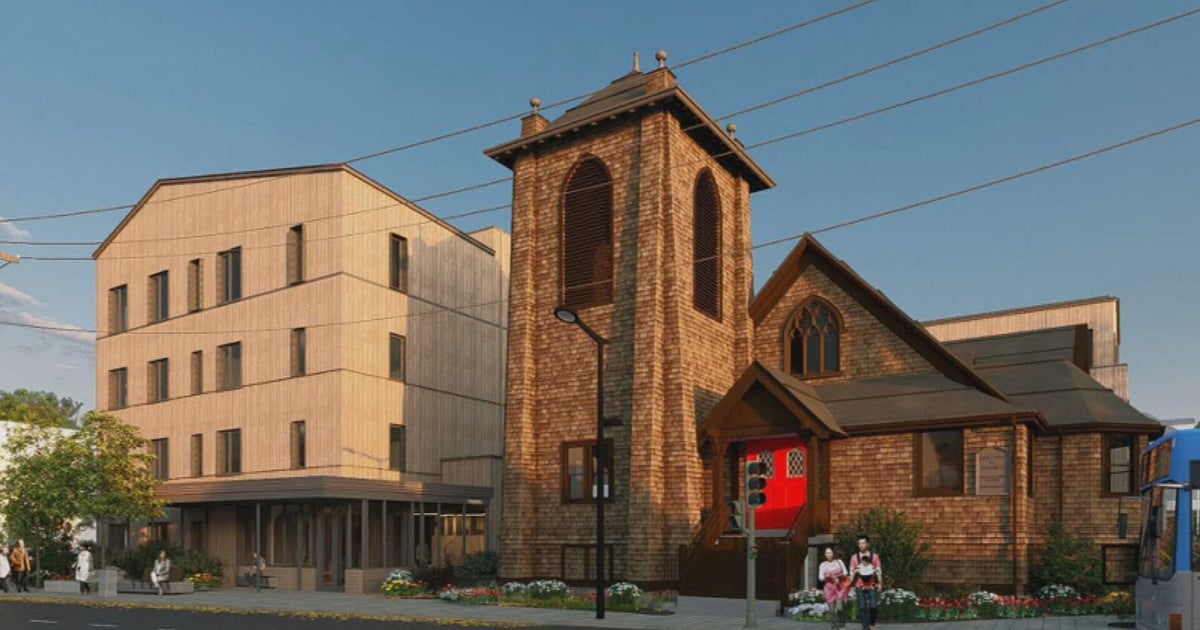
Vacant churches in Boston being transformed into affordable senior housing
Some churches in Boston are being transformed to help those who are struggling to find homes.
How to Grow Old: Bertrand Russell on What Makes a Fulfilling Life
“Make your interests gradually wider and more impersonal, until bit by bit the walls of the ego recede, and your life becomes increasingly merged in the universal life.”

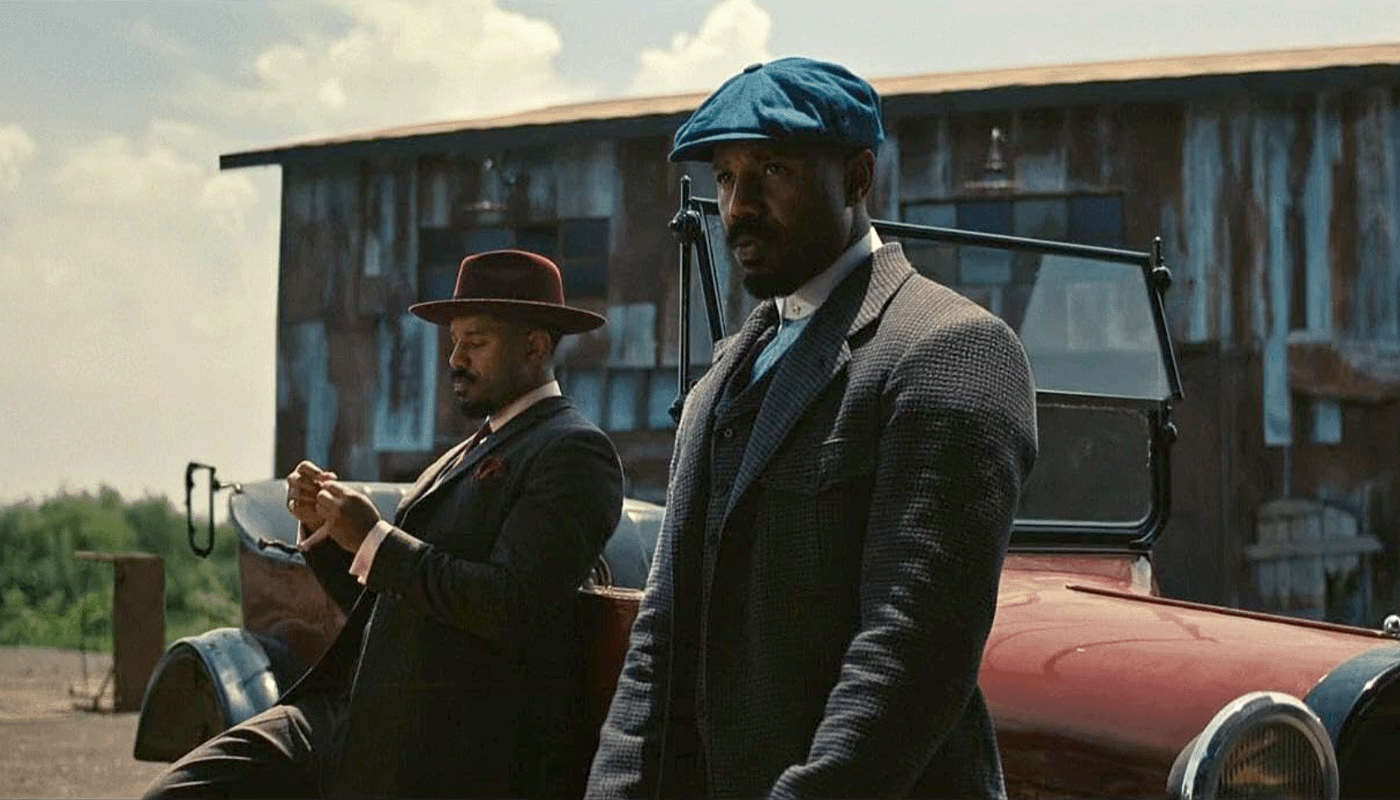
Beyond Afrofuturism: Sinners, the Great Migration, and Rust Belt Gothik - Reactor
"Sinners" is a particular kind of story about migration, spirituality, and Black speculative survival skills
Opinion | Evangelical conservatives are proving their harshest critics right
They don't understand the United States' founding principles.

The Principles of Getting Ahead.
Two people can start from almost the same place. Same age. Similar intelligence. Same 24 hours in a day. Five years later, their lives can look completely different. 1 One has built valuable skills

A Thrive/Survive Theory Of The Political Spectrum
I admitted in my last post on Reaction that I devoted insufficient space to the question of why society does seem to be drifting gradually leftward. And I now realize that in order to critique the …

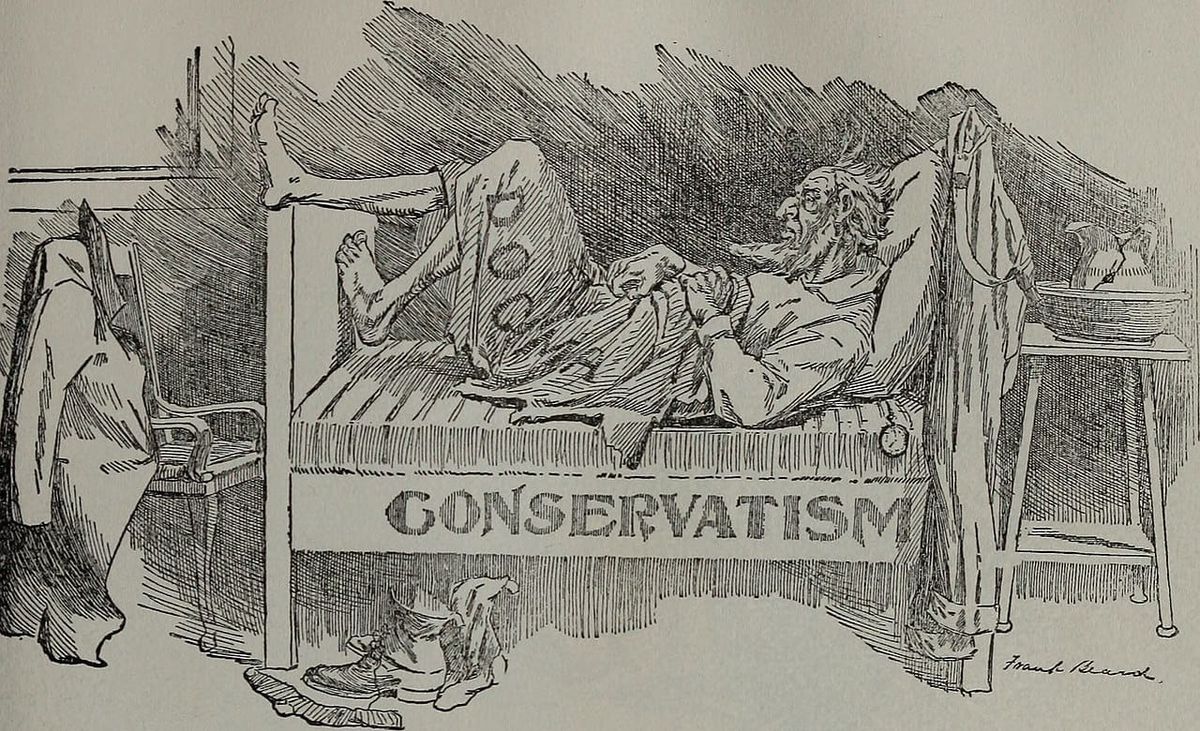
Liberalism Did Not Fail, Conservatism Did
We are moving from an ideologically multipolar world, to a bipolar one.
The Science of Making Friends
Starting in early adulthood, our number of friends starts to decrease steadily; there are ways to reverse the tide, writes Elizabeth Bernstein.

The Illusion of Asymmetric Insight
The Misconception: You celebrate diversity and respect others’ points of view. The Truth: You are driven to create and form groups and then believe others are wrong just because they are oth…

Norm Dynamics: Interdisciplinary Perspectives on Social Norm Emergence, Persistence, and Change
Social norms are the glue that holds society together, yet our knowledge of them remains heavily intellectually siloed. This article provides an interdisciplinary review of the emerging field of norm dynamics by integrating research across the social sciences through a cultural-evolutionary lens. After reviewing key distinctions in theory and method, we discuss research on norm psychology—the neural and cognitive underpinnings of social norm learning and acquisition. We then overview how norms emerge and spread through intergenerational transmission, social networks, and group-level ecological and historical factors. Next, we discuss multilevel factors that lead norms to persist, change, or erode over time. We also consider cultural mismatches that can arise when a changing environment leads once-beneficial norms to become maladaptive. Finally, we discuss potential future research directions and the implications of norm dynamics for theory and policy.


HOW SHOULD WE LIVE IN A DIVERSE SOCIETY?
This is a transcript of my talk at the Castrum Peregrini in Amsterdam on 2 May. (Apologies for the lack of links and references; I will sort them out in due course when I have more time.) ‘Can Eur…