From a waste-management perspective, the in-sink tool punches far above its weight.
It's never been easier to keep waste from landfills, but are you doing your part? | CBC News
'You have to find your why and for me it started out with the environment and I needed to feel like I was doing my part,' says zero waste blogger Katelin Leblond. 'For some people it's the financial aspect, some people it's the minimalist aspect but I have yet to meet a person who has adopted any sort of level of zero waste that has regretted it.'

All my trash for a year fit into two plastic bags. Here’s how I did it.
Giving up plastic forks, new clothes and even toilet paper for an exercise in conservation.
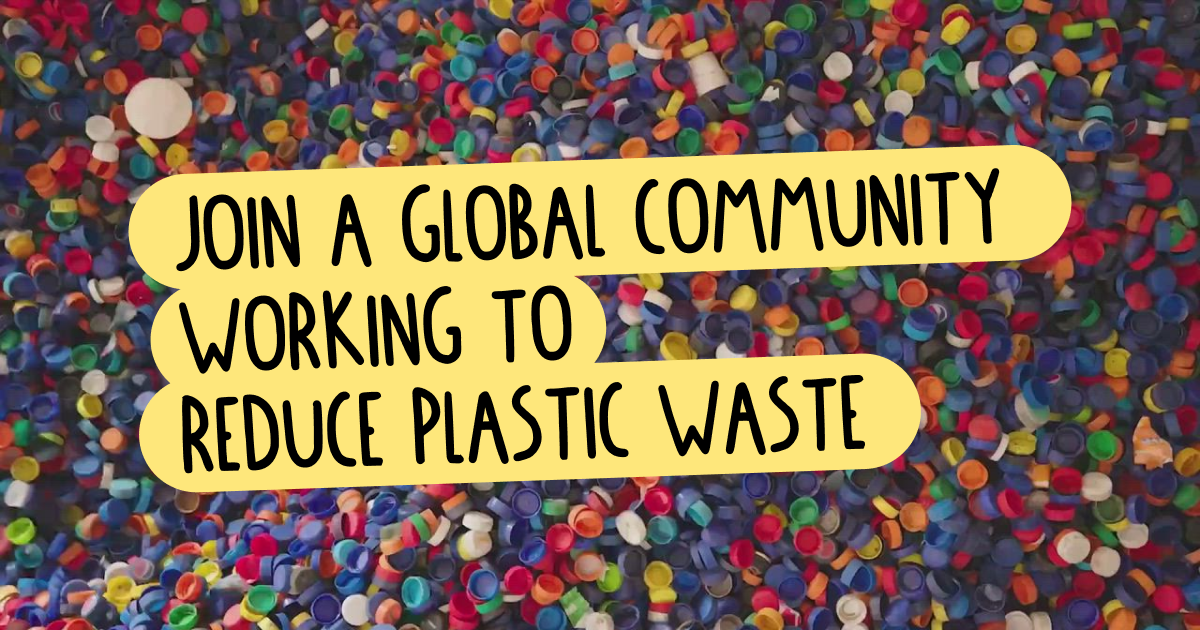
Precious Plastic | Reducing plastic waste, everywhere
Join a global community reducing plastic waste. Build open-source recycling machines, learn from 40K+ recyclers and turn waste into products. Free to start.
Circular Economy
The circular economy prioritises the reuse of materials, preventing the over extraction of natural resources and usable materials that end up in landfill.

Great Pacific Garbage Patch
The Great Pacific Garbage Patch is a garbage patch, a gyre of marine debris particles, in the central North Pacific Ocean. It is located roughly from 135°W to 155°W and 35°N to 42°N. The collection of plastic and floating trash originates from the Pacific Rim, including countries in Asia, North America, and South America.

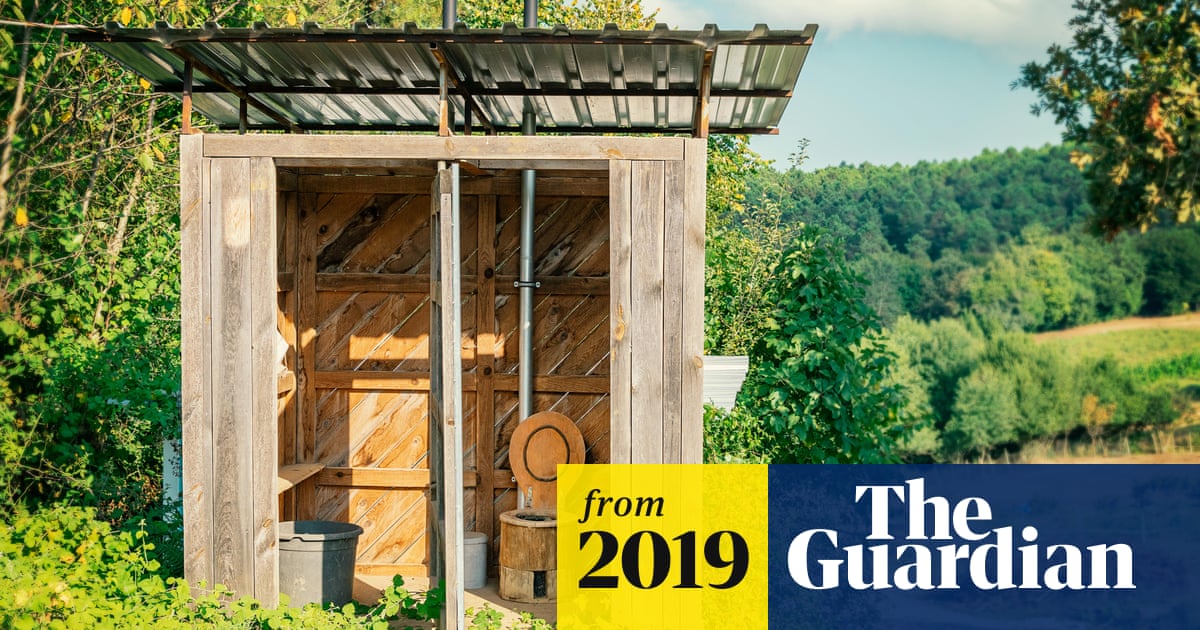
The no-flush movement: the unexpected rise of the composting toilet
We squander masses of clean water flushing away our own waste instead of using it as fertiliser. But a lavatorial eco revolution has now begun
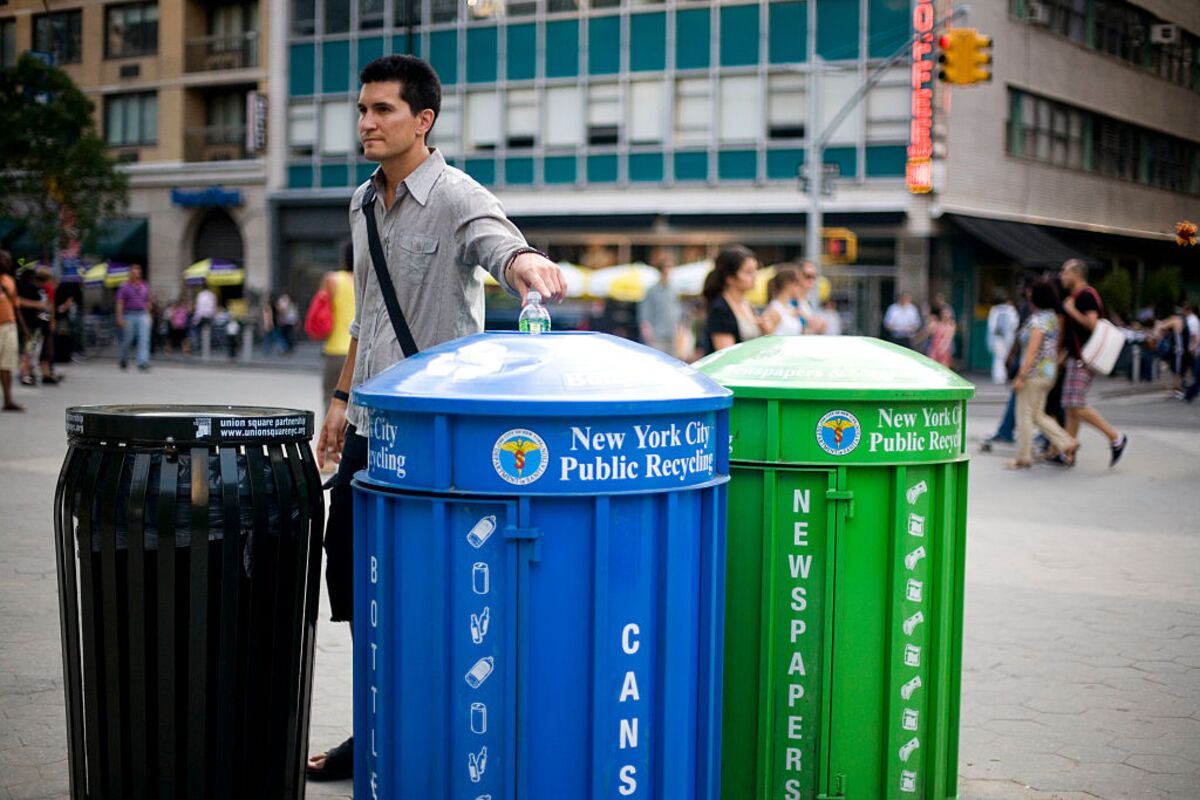
Plastic Recycling Is a Problem Consumers Can't Solve
Even if you put everything into the right blue bins, a lot of plastics will end up in landfills and the ocean. Consumers can't solve this problem.
Accountability sinks
In The Unaccountability Machine, Dan Davies argues that organizations form “accountability sinks,” structures that absorb or obscure the consequences of a decision such that no one can be held dire...
Trashwiki: the world-wide guide to dumpster diving
Art Bakeries Diver's etiquette Dumpster diver Dumpster diving First time Freecycle Freeganism Food Food Not Bombs Gift economy Give-away shops Gleaning Grow your own food Guerrilla gardening Health History Maps Markets Media Laws Literature Organizations Permaculture Preservation Projects Recycling Related websites Relations with Vendors Restaurants Stuff Supermarkets Surfing Tools Unlocking dumpsters Waste Wintertime diving Worm Farming
Circular economy in demolition: Repurposing waste to fuel new builds
Evelyn Long discusses the importance of the UK’s circular economy in demolition and how it should not only be maintained, but pushed further
The Matrix of Convivial Technology – Assessing technologies for degrowth
This article introduces the notion of convivial technology as a conceptual framework for technologies suitable for degrowth societies. This paper is inspired by Ivan Illich's notion of convivial tools but reconsiders it in the light of current practices and discussions. Looking for a definition of convivial technologies it uses qualitative empirical research conducted with degrowth-oriented groups developing or adapting grassroots technologies like Open Source cargo bikes or composting toilets in Germany. The basic ethical values and design criteria that guide these different groups in relation to technology are summed up into five dimensions: relatedness, adaptability, accessibility, bio-interaction and appropriateness. These dimensions can be correlated with the four life-cycle levels material, production, use and infrastructure to form the Matrix for Convivial Technology (MCT). The MCT is a 20-field schema that can be filled in. Experiences with the tool in different fields are presented. The MCT is itself a convivial tool as it allows for degrowth-oriented groups to self-assess their work and products in a qualitative, context-sensitive and independent way. It is a normative schema that fosters discussion concerning degrowth technologies in contexts of political education. And it is a research method as it helps collecting data about underlying ethical assumptions and aspirations of individuals and groups engaged in developing technology.
Reclaimed Systems
Reclaimed systems - ethical sustainable art & technology for people and planet

Garbage Collection for Systems Programmers
Yet another programming blog. Thoughts on software and related misadventures.