


It’s no surprise that mathematics has influenced music. But did you know that the influence goes both ways?
Music on the brain: Listening can influence our brain’s activity
The "Mozart effect" isn't real—but music does affect our mental processes.

Music Theory that isn't boring - Lightnote
Interactive lessons for learning Music Theory.

Music theory for programmers
I can't play an instrument, so I worked out music theory in JavaScript instead. Twelve notes, scales and chords, derived from scratch with code you can hear.

I analyzed the chords of 1300 popular songs for patterns. This is what I found. - The Hooktheory Blog
Discover the secrets behind hit music with our popular song chords analysis from 1300 tracks. Your songwriting journey begins here!

These scientists created jewelry out of the striking shapes of chaos theory
Not just inspired by chaos theory, but directly created from its mathematical principles.

Speaking of Music
“Can anyone explain in mere prose the wonder of one note following or coinciding with another so that we feel that it is exactly how those notes had to be? Of course not.”
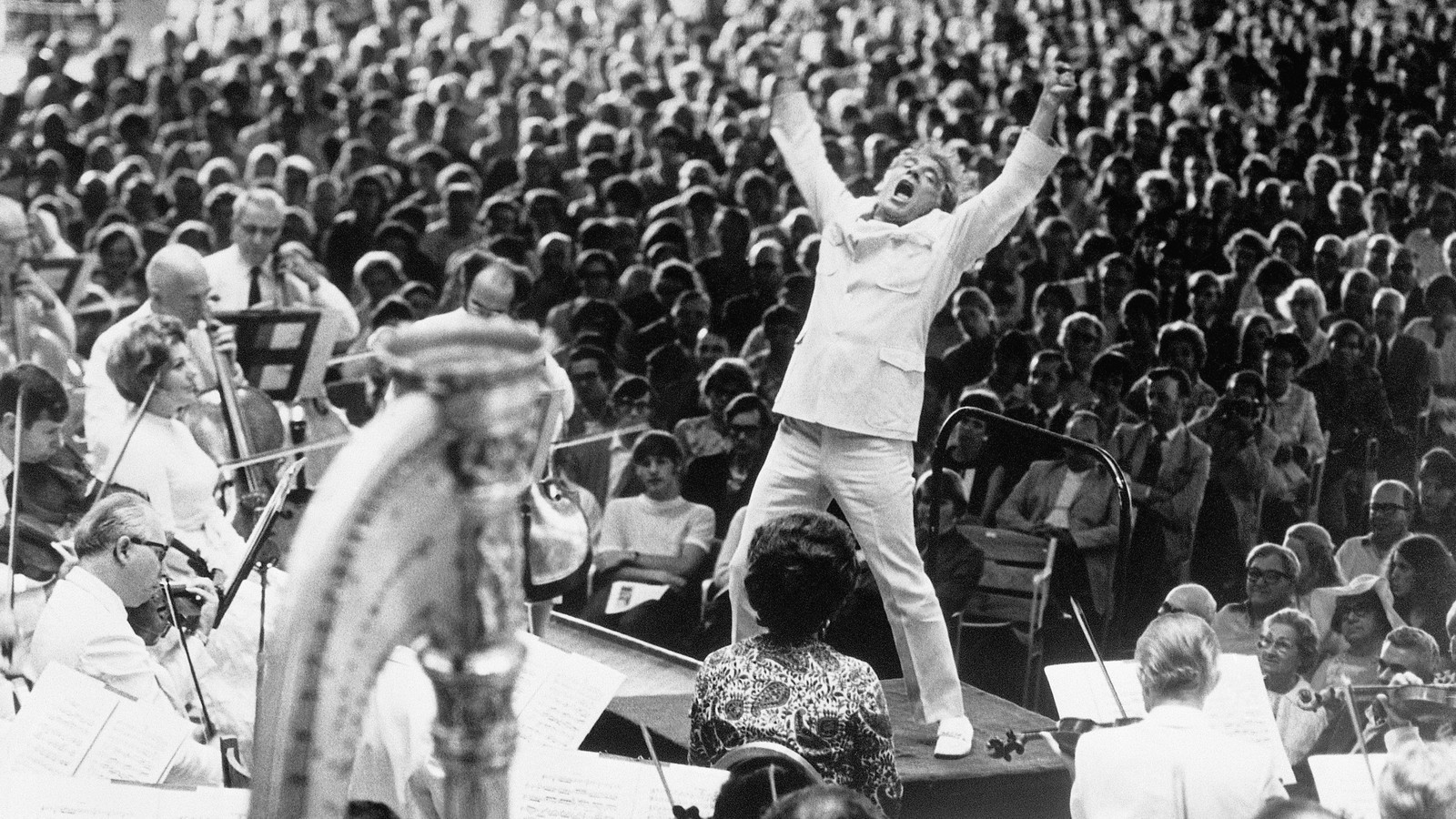
The Circle Of Fifths: A Complete Guide
The circle of fifths is an incredible tool that has many different uses when it comes to music theory. It can help us with everything from knowing what chord

What is Music? Music Generates Feelings That Are Only Weakly Bound To The Music
Here I use the word "bound" in the same sense as "bind" in the "binding problem".
Study Reveals Music's Universal Patterns Across Societies Worldwide - Slashdot
From love songs to dance tunes to lullabies, music made in disparate cultures worldwide displays certain universal patterns, according to a study by researchers who suggest a commonality in the way human minds create music. From a report: The study focused on musical recordings and ethnographic reco...

Listening To Music May Be Damaging Your Creativity - Slashdot
The results of a new study suggest that listening to music can significantly impair your ability to perform creative tasks. Whilst music was found to disrupt creative processes, ambient "library noise" was found to have no significant effect. From a report: The first experiment saw volunteers comple...
Ask HN: How Can I Learn Music Theory? | Hacker News
Books aside, in my view the #1 thing you can do to help your music theory understanding is to train your ear: if you can't reliably identify all the intervals within an octave and identify major, minor, diminished and augmented triads, as well as the basic 4-note chords (major 7, minor 7, dominant 7, minor-7-flat-5) by ear, knowing a bunch of rules about tone-tone-semitone-tone-tone-tone-semitone won't be all that useful. Back in music school days I practised daily with EarMaster and within a couple of months had gotten solid enough at recognising intervals and chords by ear that it made all the other music learning I did subsequently much much easier. I am sure there are way better ear training tools now!
The Knowledge Ecology
The important thing here is that the music is not in the piano. And knowledge and edification is not in the computer. The computer is simply an instrument whose music is ideas. Yes? No? Yes-no-yes-no-yes-no.
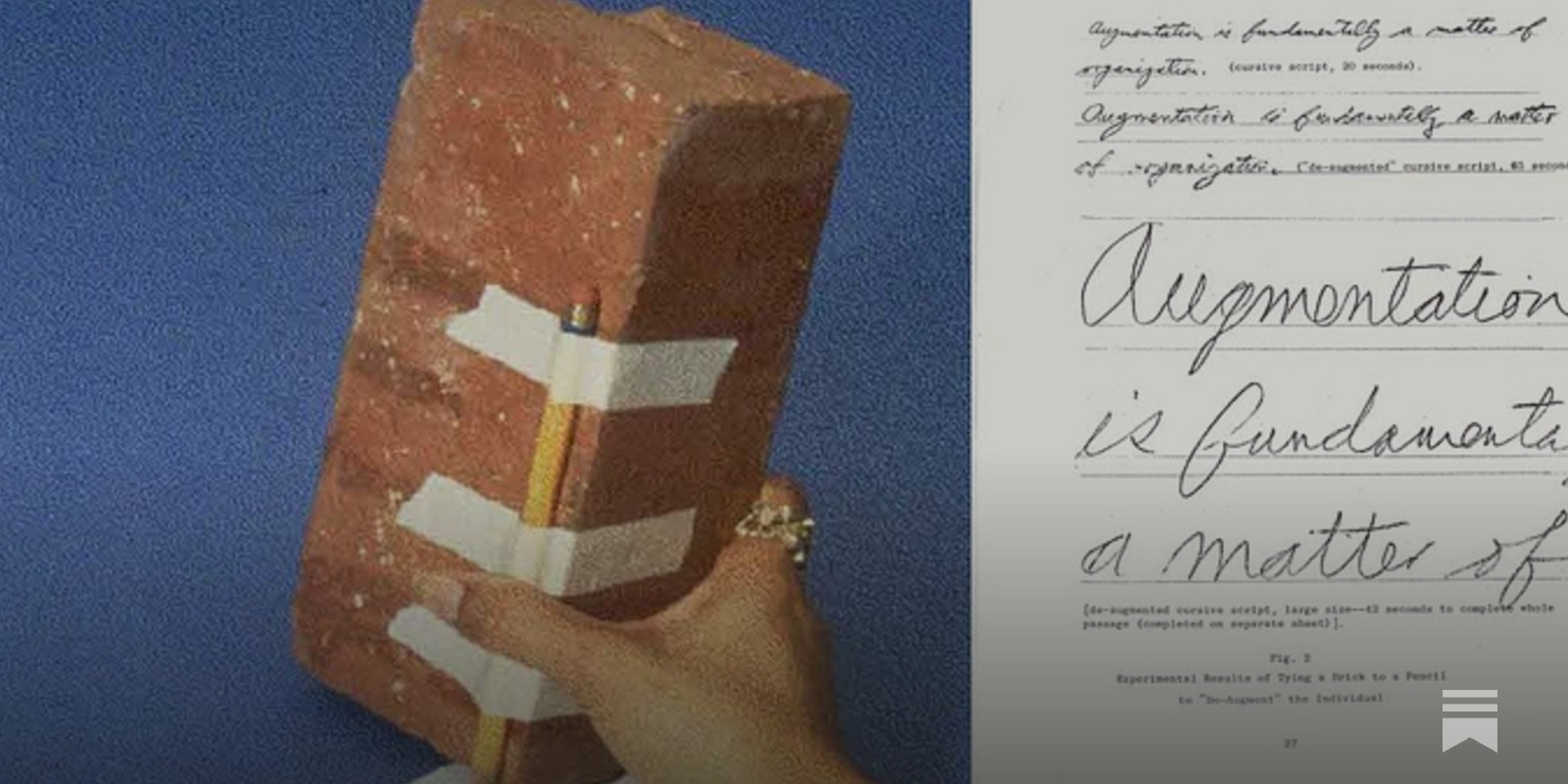
Requiem for a string: Charting the rise and fall of a theory of everything
String theory was supposed to explain all of physics. What went wrong?

Music theory for nerds
Not music nerds, obviously. I don’t know anything about music. I know there are letters but sometimes the letters have squiggles; I know an octave doubles in pitch; I know you can write a pop song with only four chords. That’s about it. The rest has always seemed completely, utterly arbitrary. Why do we have twelve notes, but represent them with only seven letters? Where did the key signatures come from? Why
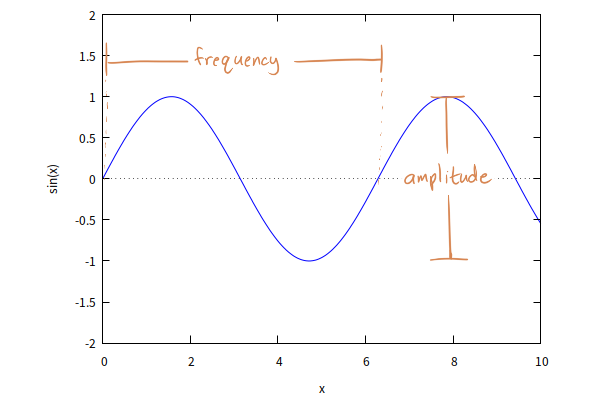
Jeff Mills Drifts Into the Cosmos
AI is the latest of a long succession of tools trying to make things easier for us, and it’s always been there, and it’s always affected the music. Maybe we didn’t fear as much, but musicians just have to be more creative and to be more elusive.

The Theory and Technique of Electronic Music (2006) | Hacker News
I read it over and over again when I was building: https://glicol.org/