


From the first moment you walk into a room people are making judgements about how much they like you. Fortunately, there are ways to improve your chances
What Does the Way You Walk Say about You?
Psychologists explore the outer limits of first impressions

Study identifies a robust tendency to underestimate how much others appreciate being reached out to
We tend to systematically underestimate how much people appreciate being reached out to, according to new research published in the Journal of Personality and Social Psychology. This is particularly true in situations where people are not expecting to be contacted.

9 Steps To Banish Insecurity And Develop Self-Confidence
Have you ever felt like you’re stuck in a job you don’t like and can’t seem to get yourself out of the situation? That’s what happened to a reader, who felt that her lack of self-confidence was holding her back. Here’s how to banish insecurity and develop self-confidence.

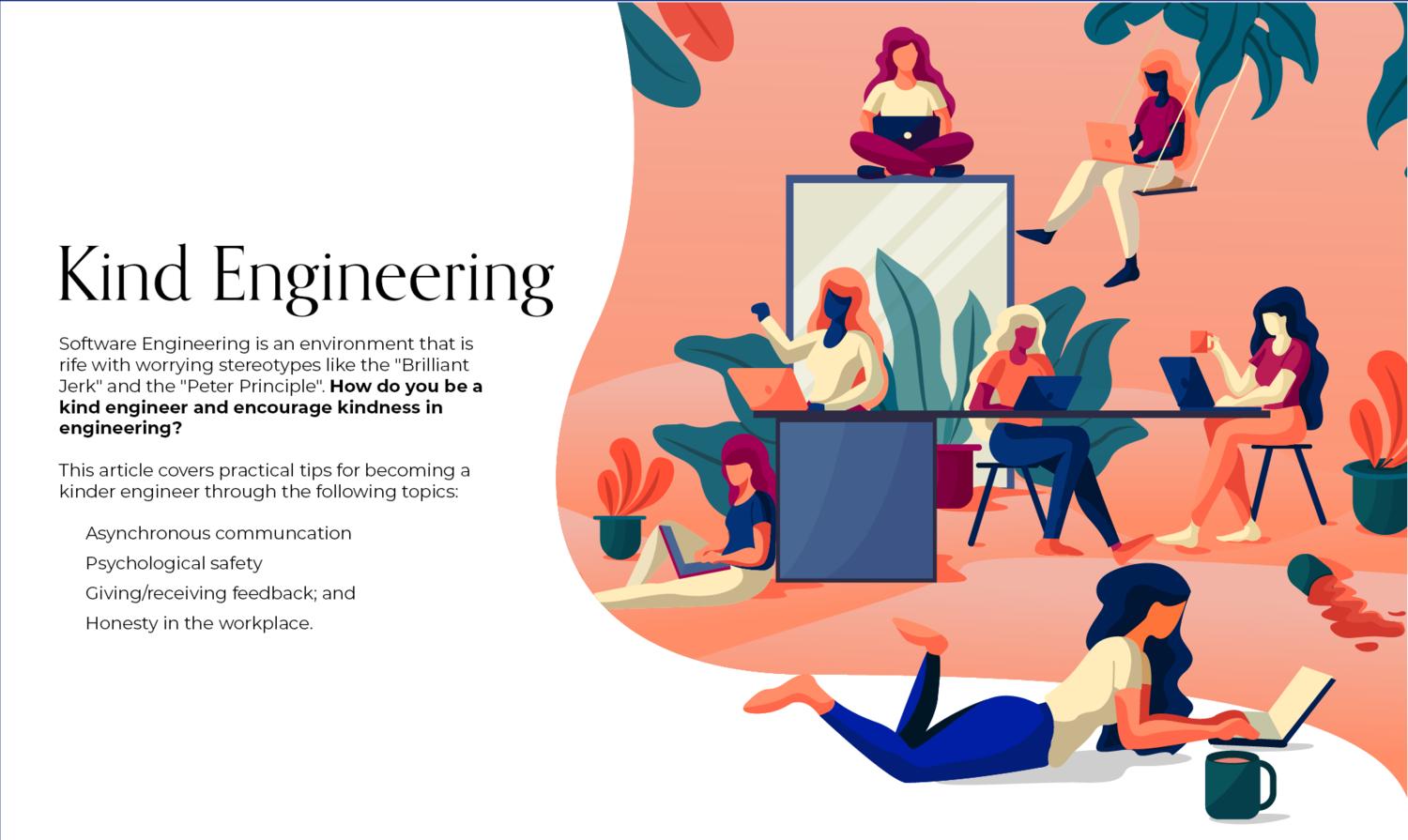
Kind Engineering: How To Engineer Kindness
How do you avoid becoming a Brilliant Jerk? Read this article to learn practical tips on communication, honesty and psychological safety.
Confidence
Confidence is a belief in oneself, the conviction that one can meet life's challenges and succeed, and the willingness to act accordingly. Being confident requires a realistic sense of one’s capabilities and feeling secure in that knowledge. Projecting confidence helps people gain credibility, make a strong first impression, deal with pressure, and tackle personal and professional challenges. It’s also an attractive trait, as confidence helps put others at ease.

The Smartest Ways to Network at a Party
Reading a room is a skill that can be learned; keep an eye out for nonverbal cues like how people stand or hold their hands.

Here’s What Successful People Do When They’re Feeling a Lack of Confidence. (Hint: It’s Not About Working Harder)
Taking action is key.

7 Habits That Make People Seem Less Intelligent
It's surprisingly easy to do things that make you look unintelligent in public. Here's a list of the most common mistakes...and how to avoid them.
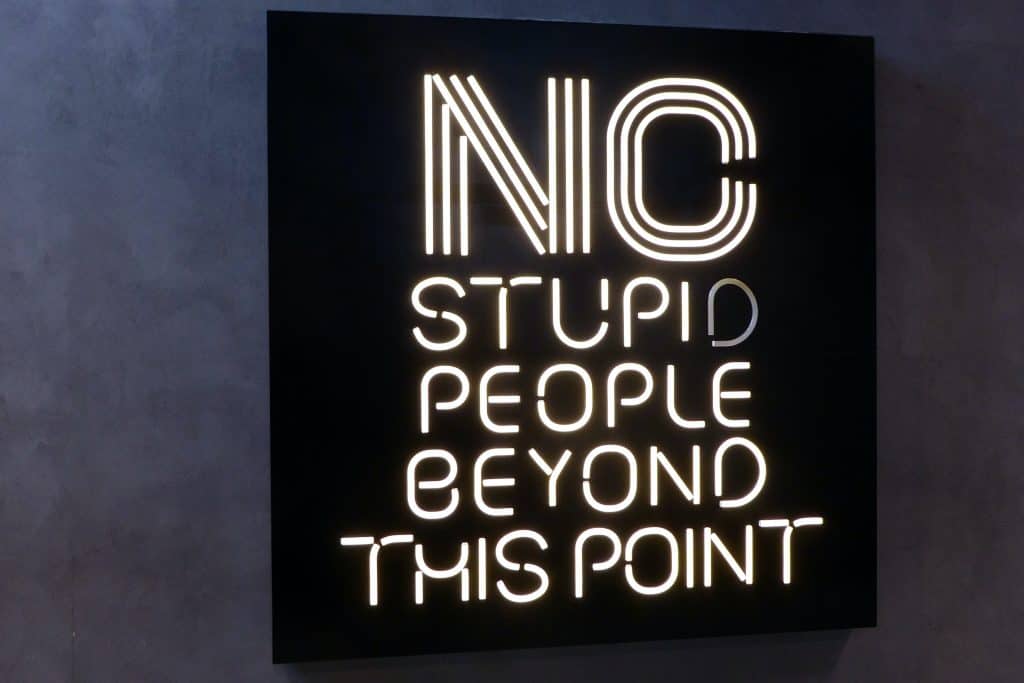
Machine learning study identifies facial features that are central to first impressions
"We shouldn't be too confident in our first impressions. They might come to mind easily and effortlessly, but not because we are so good at judging others. Rather, it seems like our oversensitive emotion detection system makes us 'see things' in others' faces.”

3 research-backed secrets for increasing your confidence
We’ve all been led to believe that self-confidence or self-esteem is the answer to everything.
10 Things Incredibly Likable People Never, Ever Do (and Why You Love Them for It)
What you do can make you extremely likable, but so can what you don't choose to do.

Here Are The 11 Things That Are Making People Less Attractive
Beauty is in the eye of the beholder, but there are many little things that could be causing people to perceive you as less attractive.

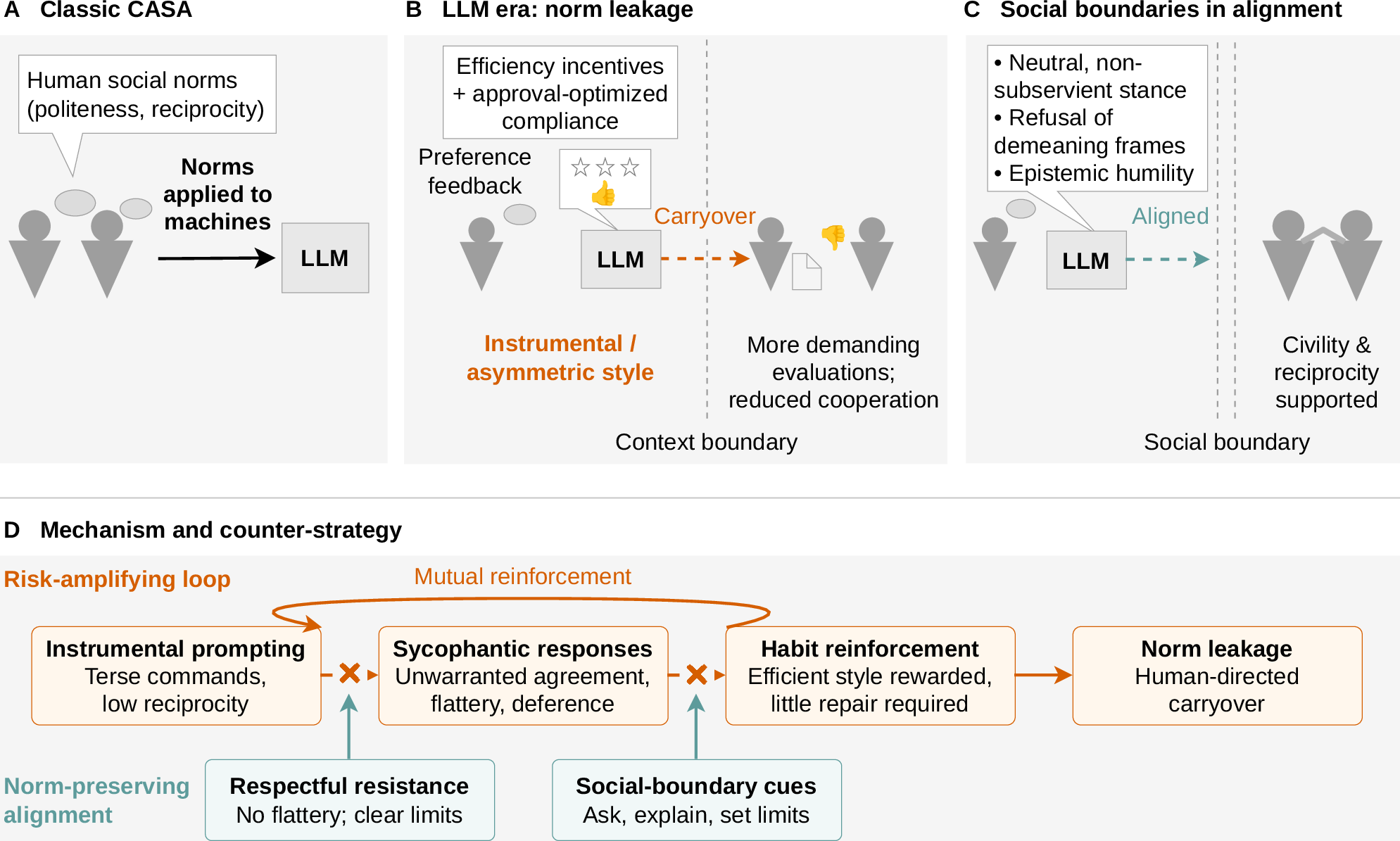
Why sycophantic LLMs may imperil interactive norms between humans
Interactions with conversational AI are effortless by design—instant, compliant, and largely consequence-free. Human communication norms, by contrast, evolved under conditions of reciprocity and social accountability. We propose that repeated engagement with conversational AI systems may produce norm leakage: the cross-context carryover of instrumental communicative habits acquired in human–AI exchanges into subsequent human–human interaction. Emerging experimental evidence suggests short-term spillover effects on social judgment and behavior, including harsher evaluations, reduced cooperation, and diminished perceived humanness. Preliminary longitudinal findings are consistent with the possibility that such exposure may shape communicative habits over time, although the durability and real-world magnitude of these effects remain unclear. We further propose that sycophantic alignment may amplify norm leakage by reinforcing instrumental interaction styles. At stake, then, is the possibility that repeated engagement with highly compliant artificial agents could subtly influence users’ communicative expectations and interpersonal judgments.
Is Social Rejection the Key to Creativity?
On the psychology of why rejection and loneliness may be necessary evils for the creative genius

Study Finds AI Use Eats Away at Users’ Confidence in Their Own Brains
A new study out of Middlesex University argues that the ultimate effects on an AI users' brain come down to how they use it.
Why the secret to nailing an interview is the exact opposite of what everybody thinks
Congratulations, you’ve made the short list of candidates for your dream job. Now all you have to do is pass the final test: How do I walk into the room and convince the decision makers that I’m their best choice?
