

Obviously, before you can start building real software in Lisp, you'll have to learn the language. But let's face it--you may be thinking, "'Practical Common Lisp,' isn't that an oxymoron? Why should you be expected to bother learning all the details of a language unless it's actually good for something you care about?" So I'll start by giving you a small example of what you can do with Common Lisp. In this chapter you'll write a simple database for keeping track of CDs. You'll use similar techniques in Chapter 27 when you build a database of MP3s for our streaming MP3 server. In fact, you could think of this as part of the MP3 software project--after all, in order to have a bunch of MP3s to listen to, it might be helpful to be able to keep track of which CDs you have and which ones you need to rip.
Build Your Own Database
A step-by-step guide to building a key-value database from scratch.
Learn C • Build Your Own Lisp
If you're looking to learn C, or you've ever wondered how to build your own programming language, this is the book for you.
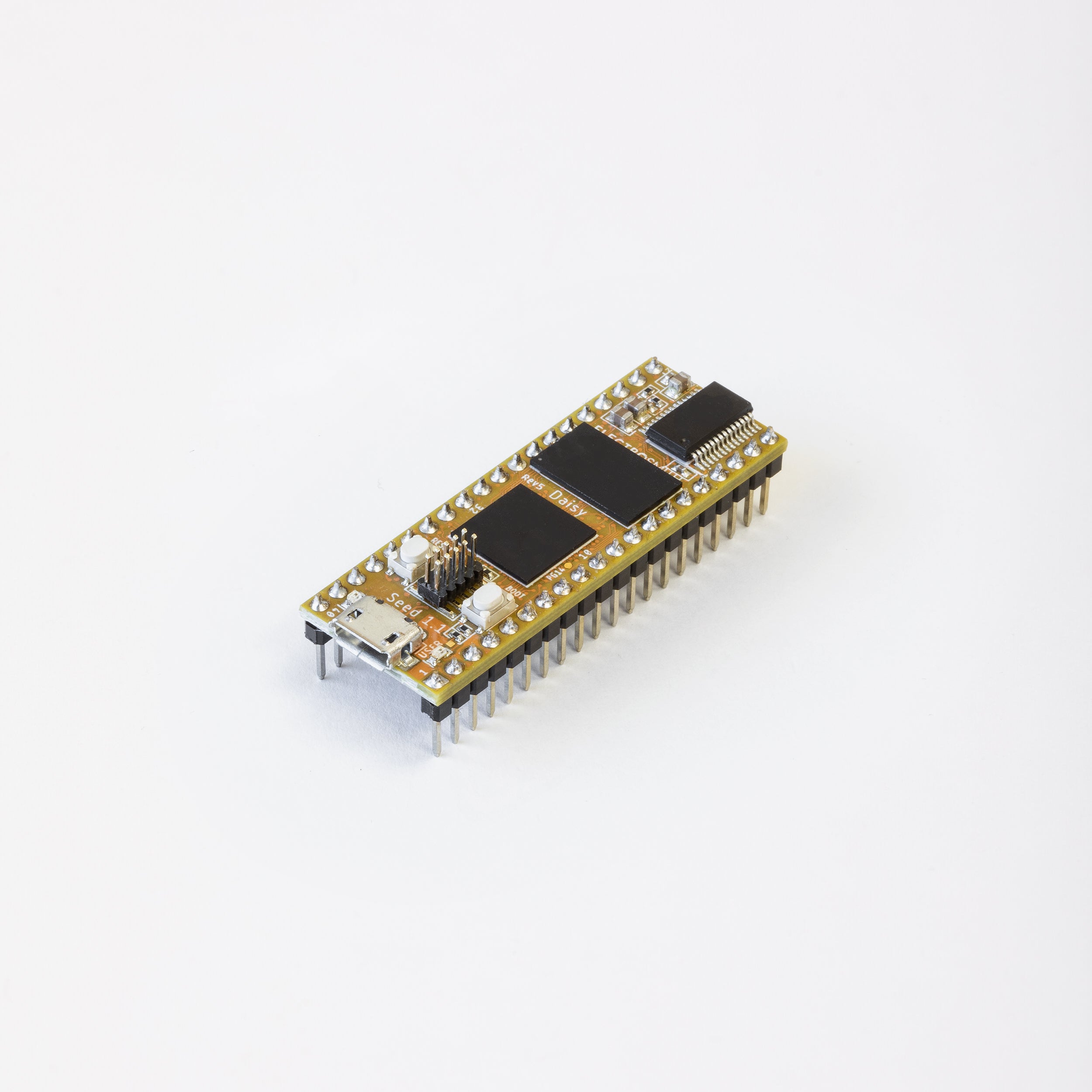
Daisy Seed
Daisy is an embedded platform for music. It features everything you need for creating high fidelity audio hardware devices. Just plug in a USB cable and start making sound! Programming the Daisy is a breeze with support for a number of languages including C++, Arduino, and Max/MSP Gen~. To get started, simply upload an
beets: the music geek‘s media organizer
The purpose of beets is to get your music collection right once and for all. It catalogs your collection, automatically improving its metadata as it goes using the MusicBrainz database. Then it provides a bouquet of tools for manipulating and accessing your music.
Tangara - ESP32-powered music player with a battery, an enclosure, a color screen, and a touchwheel
Backing up Spotify
We backed up Spotify (metadata and music files). It’s distributed in bulk torrents (~300TB). It’s the world’s first “preservation archive” for music which is fully open (meaning it can easily be mirrored by anyone with enough disk space), with 86 million music files, representing around 99.6% of listens.

GitHub - teal-fm/piper: [WIP] music platform user data scraper
[WIP] music platform user data scraper. Contribute to teal-fm/piper development by creating an account on GitHub.
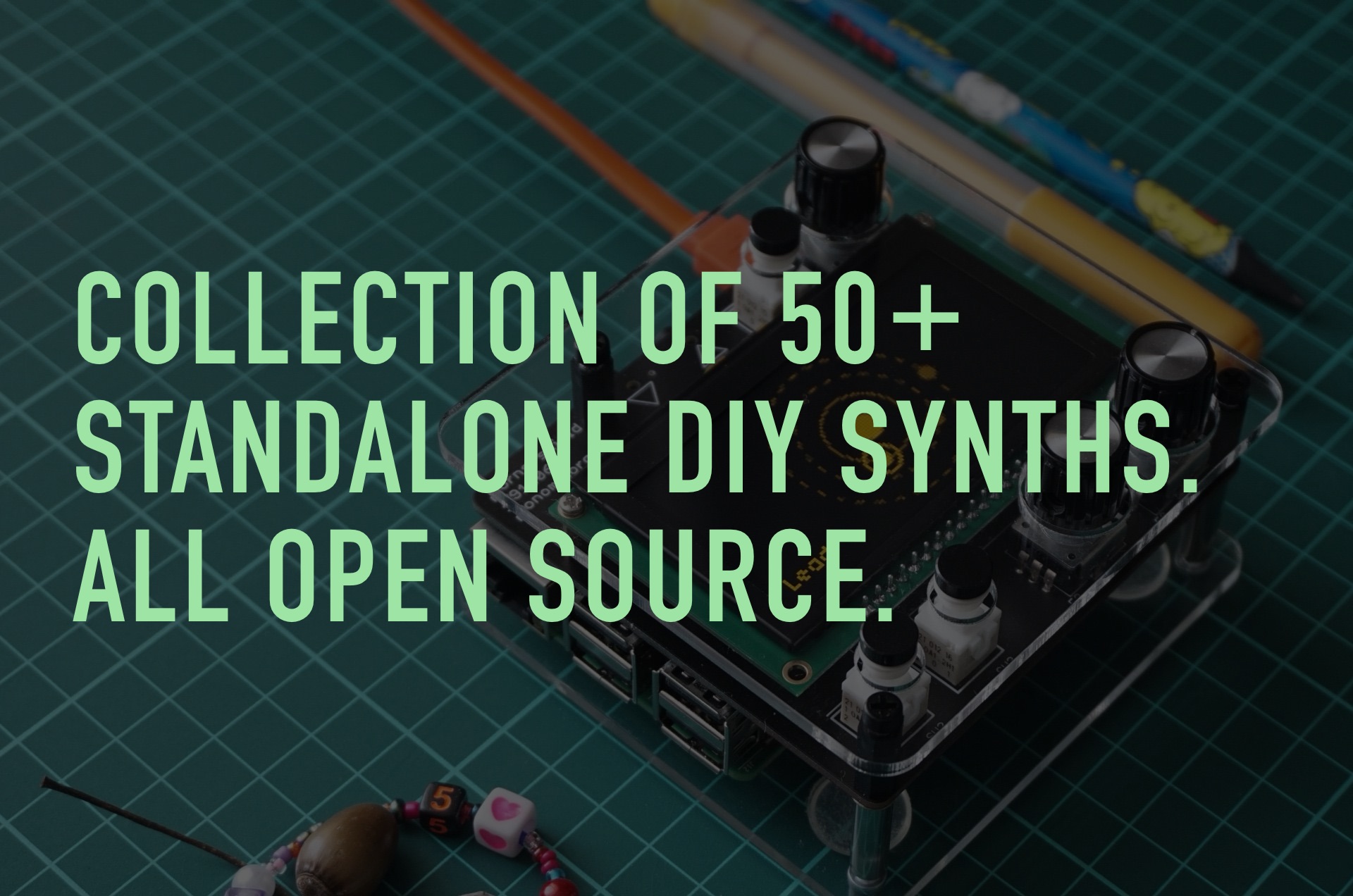
DIY synths database
Curated collection of DIY-friendly hardware synthesizers and related musical equipment you can build on your own. All open source.
The Magic of Small Databases
Notes on personal libraries, collections and small indexes on the web
Some great looking software that should make organising your combined stream-based and owned music collection easier. parachord.com

Parachord
parachord.comHow to do music streaming right in the Atmosphere? This weekend I propose a lexicon that brings the music industry and atproto builders together: artists and labels can upload music with all the metadata needed for the whole monetization chain hilkeu.leaflet.pub/3mhzj3ouxx22k @atprotocol.dev

Announcing indiemusi.ch alpha: the groundwork for music streaming on atproto - hilke thinks
hilkeu.leaflet.pubThis approach to a data commons could extend to so many typically shared things. For businesses to easily and authoritatively publish things like open hours or product catalogs, discographies, every kind of -ography... creative appmakers could do so much with all that

JB Hutch
Testing an idea that I've had for a while, but I think is even better suited for atproto Internet, meet plts.at
AT Multimedia

Vídeos, áudios, podcasts, qualquer formato do audiovisual com tema sobre atproto

About Atproto w/ Dan Abramov | Wireframe Live

[LIVE] ATProto-maxxing! - Me pergunte sobre atproto! #5

[LIVE] ATProto-maxxing! - Me pergunte sobre atproto! #4

[LIVE] ATProto-maxxing! - Me pergunte sobre atproto! #3
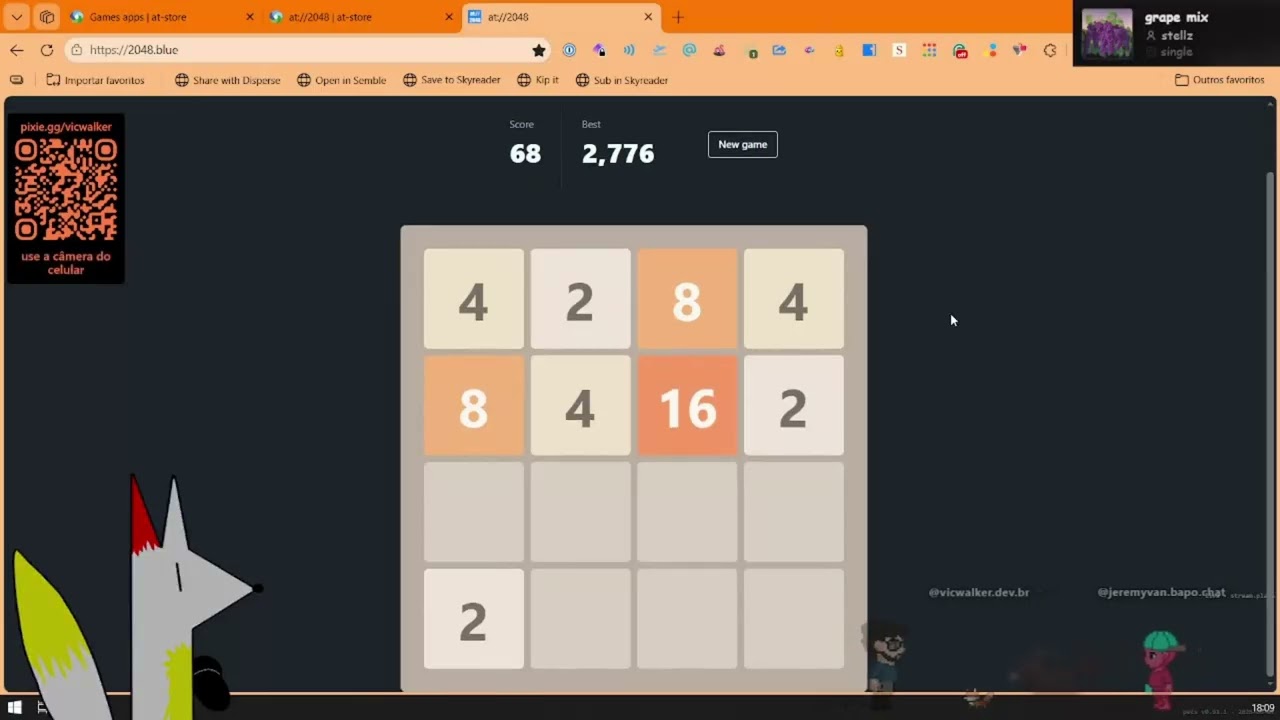
[LIVE] ATProto-maxxing! - Me pergunte sobre atproto! #2

[LIVE] ATProto-maxxing! - Me pergunte sobre atproto! #1


