

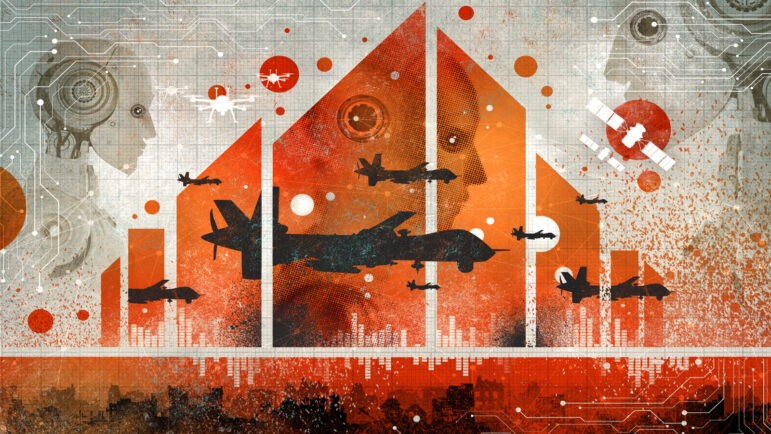
Technology is rapidly rewriting the nature of war and conflict, investigative reporters need new resources and reporting strategies so they can keep up.
The shifting battlefield: technology, tactics, and the risk of blurring lines in warfare - Humanitarian Law & Policy Blog
The accelerating integration of emerging technologies into armed conflict is transforming not only the tools of war, but its tactics, geography, participants and impact. Technological developments – from commercial drones to artificial intelligence, electronic warfare to the military use of civilian infrastructure – risk undermining boundaries between military and civilian domains. These changes challenge long-held...
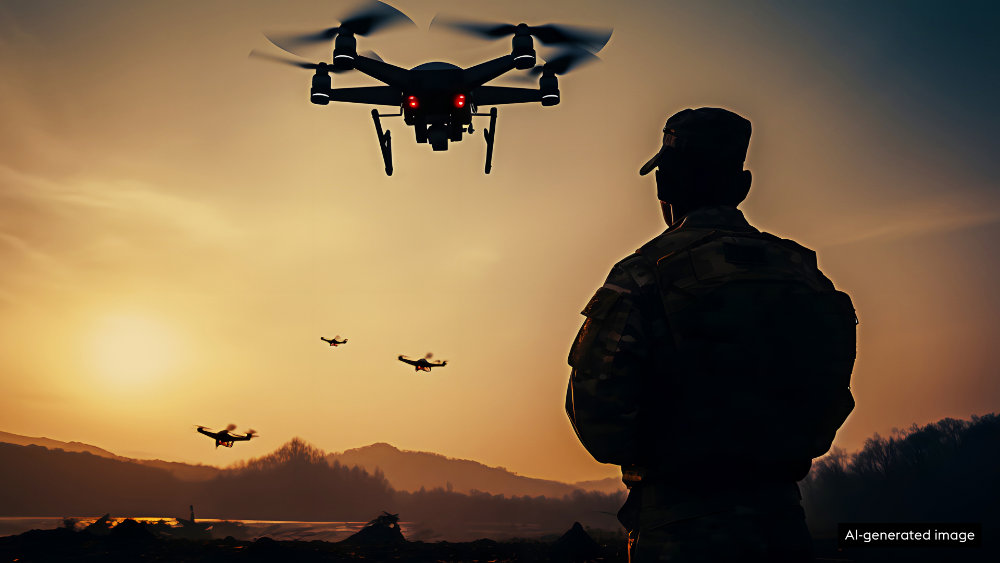
Protecting civilians in a data-driven and digitalized battlespace: toward a baseline humanitarian technology infrastructure
This article examines the realities of modern day warfare, including a rising trend in hybrid threats and irregular warfare which employ emerging technologies supported by digital and data-driven processes. The way in which these technologies become applied generates a widened battlefield and leads to a greater number of civilians being caught up in conflict. Humanitarian groups mandated to protect civilians have adapted their approaches to the use of new emerging technologies. However, the lack of international consensus on the use of data, the public and private nature of the actors involved in conflict, the transnational aspects of the widened battlefield, and the heightened security risks in the conflict space pose enormous challenges for the protection of civilians agenda. Based on the dual-usage aspect of emerging technologies, the challenges associated with regulation and the need for those affected by conflict to demonstrate resilience toward, and knowledge of, digital media literacy, this paper proposes the development of guidance for a "minimum basic technology infrastructure" which is supported by technology, regulation, and public awareness and education

On the use of AI in our newsroom — The European Correspondent
Journalists may use artificial intelligence where it handles mechanical work to let journalists focus on creative aspects. This entails: transcription, spelling checks, translation with human review, data analysis, quick research prompts, structuring raw thoughts.

Investigating War Crimes: Interviewing Victims and Survivors
The Dart Center's Gavin Rees discusses best practices for interviewing victims and survivors of war crimes and armed conflict.

AI Warfare Is Already Here
US military operators started out skeptical about AI, but now they are the ones developing and using Project Maven to identify targets on the battlefield.
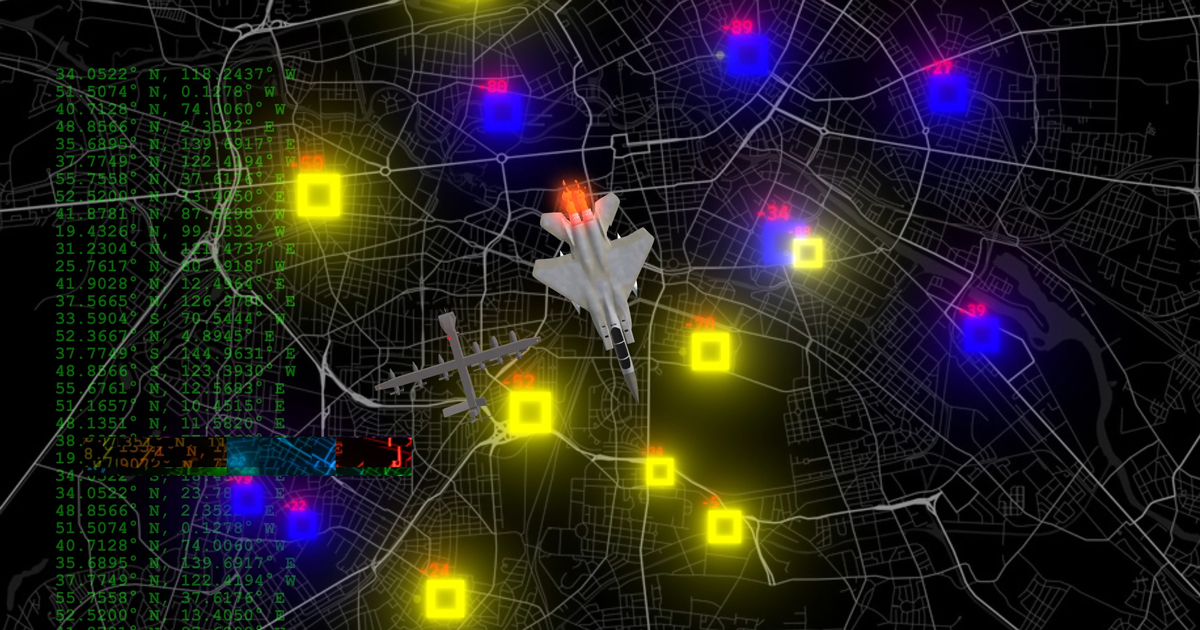
Copy of Digital Masquerade
The Digital Masquerade: Unmasking AI’s Phantom Journalists By Tony Eastin and Sandeep Abraham, CAMS

A guide to understanding AI as normal technology
And a big change for this newsletter

Meet the Tech Reporters Using AI to Help Write and Edit Their Stories
Independent writers are using AI agents all throughout their reporting process. What’s the value of a human journalist, anyway?

AI in journalism: Live tracker of scandals and mistakes
AI in journalism: Live tracker of mistakes and mishaps from the Mississippe Free Press to the New York Times.

War in the age of intelligent machines
271 pages : 24 cm; In the aftermath of the methodical destruction of Iraq during the Persian Gulf War, the power and efficiency of new computerized weapons and suveillance technology has become chillingly apparent. This new weaponry has a significance that goes far beyond military applications; it represents a profound historical shift in the relation of human beings both to machines and to information. Details the mutating history of information analysis and machinic organization from the mobile siege artillery of the Renaissance, the clockwork armies of the Thirty Years War, the Napoleonic campaigns, and the Nazi blitzkrieg up to present-day cybernetic battle-management systems and satellite reconnaissance network, and provides a philosophical and historical reflection on the changing forms through which human bodies and materials are combined, organized, deployed and made effective. [back cover]; Includes bibliographical references (pages 233-266) and index; Introduction -- Collision course -- Bloodless transfusion -- Policing the spectrum

Exclusive: US military had close call after using AI for false intelligence report, sources say | CNN Politics
The episode shows the risks of using this new, relatively poorly understood technology in the middle of the Iran war

Exclusive: It’s bots vs. reporters at the AP
The tensions inside the wire service reveal a broader conflict playing out across the media over how AI should be applied within journalism.

Media Capture Watch — Mapping Big Tech's Influence on Journalism
An interactive investigation into Big Tech and AI companies' funding relationships with journalism and media organizations.
Briefing: X handed fact-checking to the crowd. Then it became the crowd.
Plus: A new image analysis tool and a list of companies selling AI training data.

Defense Intelligence: Comprehensive Plan Needed to Improve Stakeholder Engagement in the Development of New Military Intelligence System
Intelligence collected on foreign militaries is critical for the U.S. military. The Defense Intelligence Agency's database for this intelligence doesn...
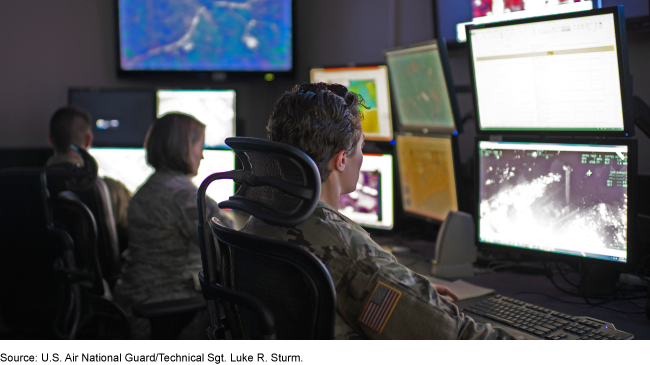
Amazing site here via @timnitgebru.bsky.social - a map of big tech influence on media and media companies. imo this goes a decent way to explaining why coverage of AI specifically has been so shockingly bad recently. Very useful resource!! nananwachukwu.github.io/media-capture-watch/
