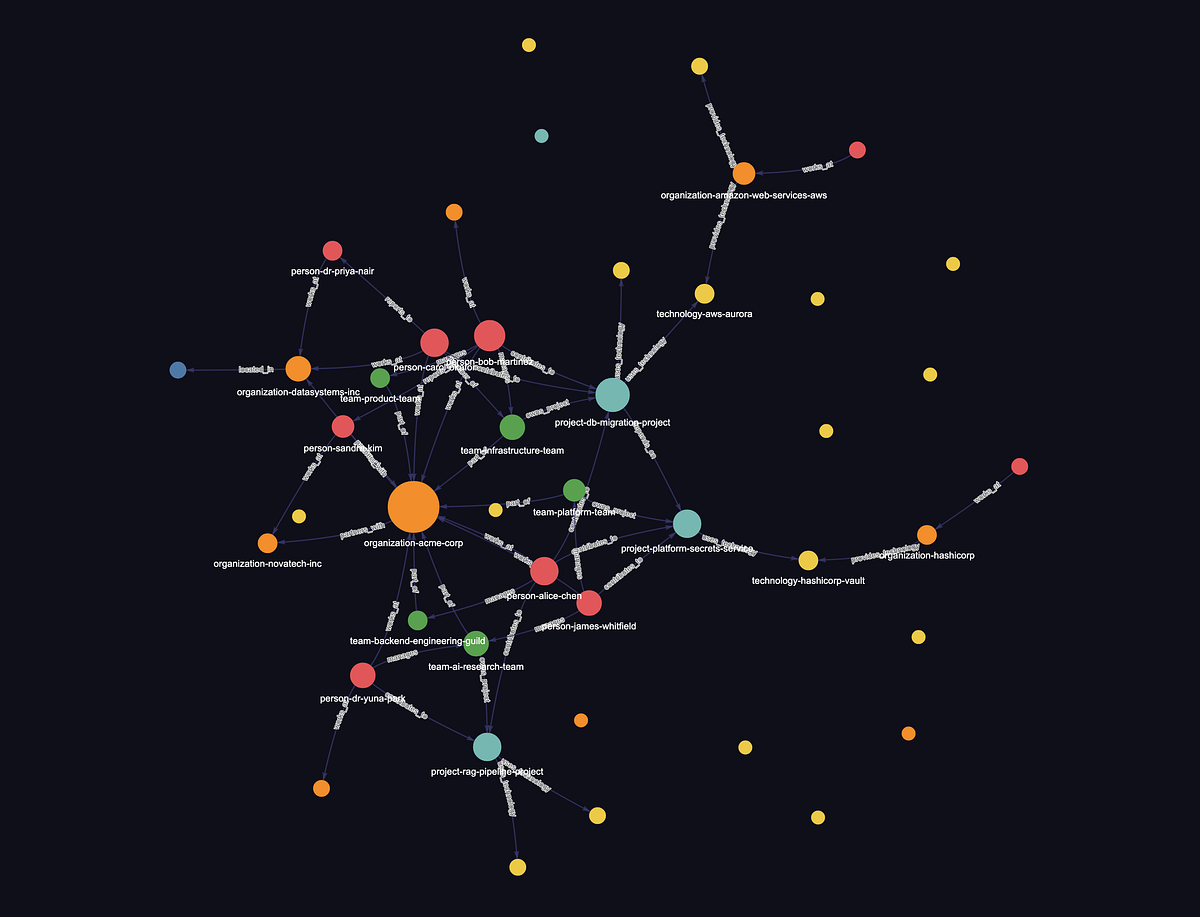
LLM Wiki v2 — extending Karpathy's LLM Wiki pattern with lessons from building agentmemory · GitHub
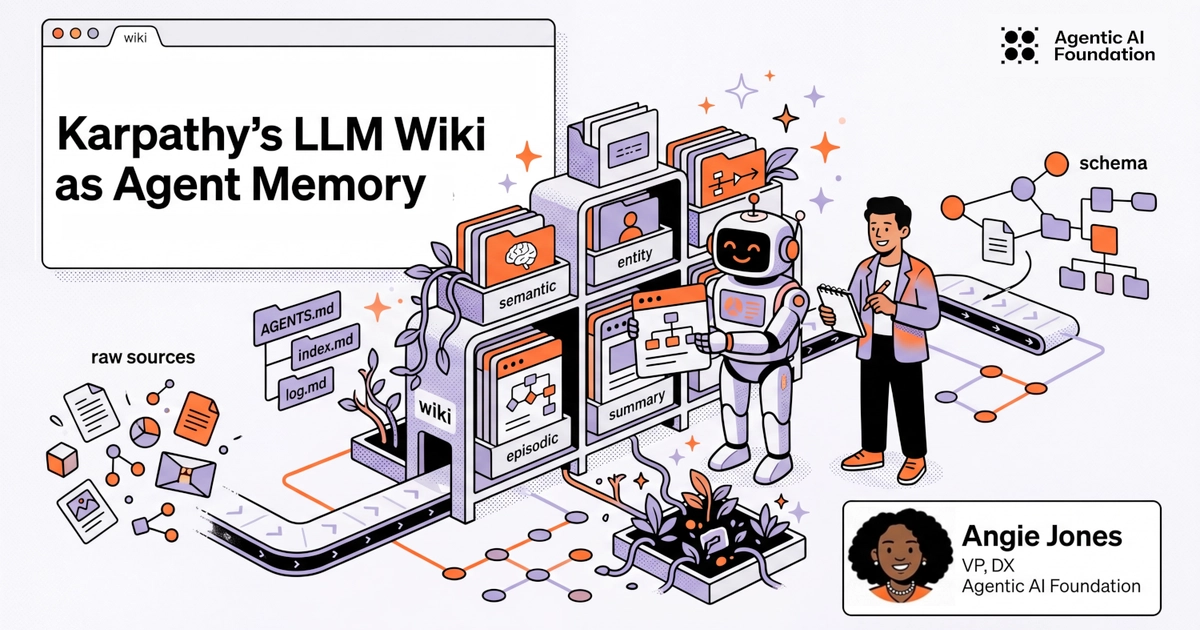
Karpathy's LLM Wiki as Agent Memory - Agentic AI Foundation (AAIF)
At work, I’m building agents to handle various operational tasks and have found Karpathy’s LLM Wiki design to be an excellent solution for implementing most ty…
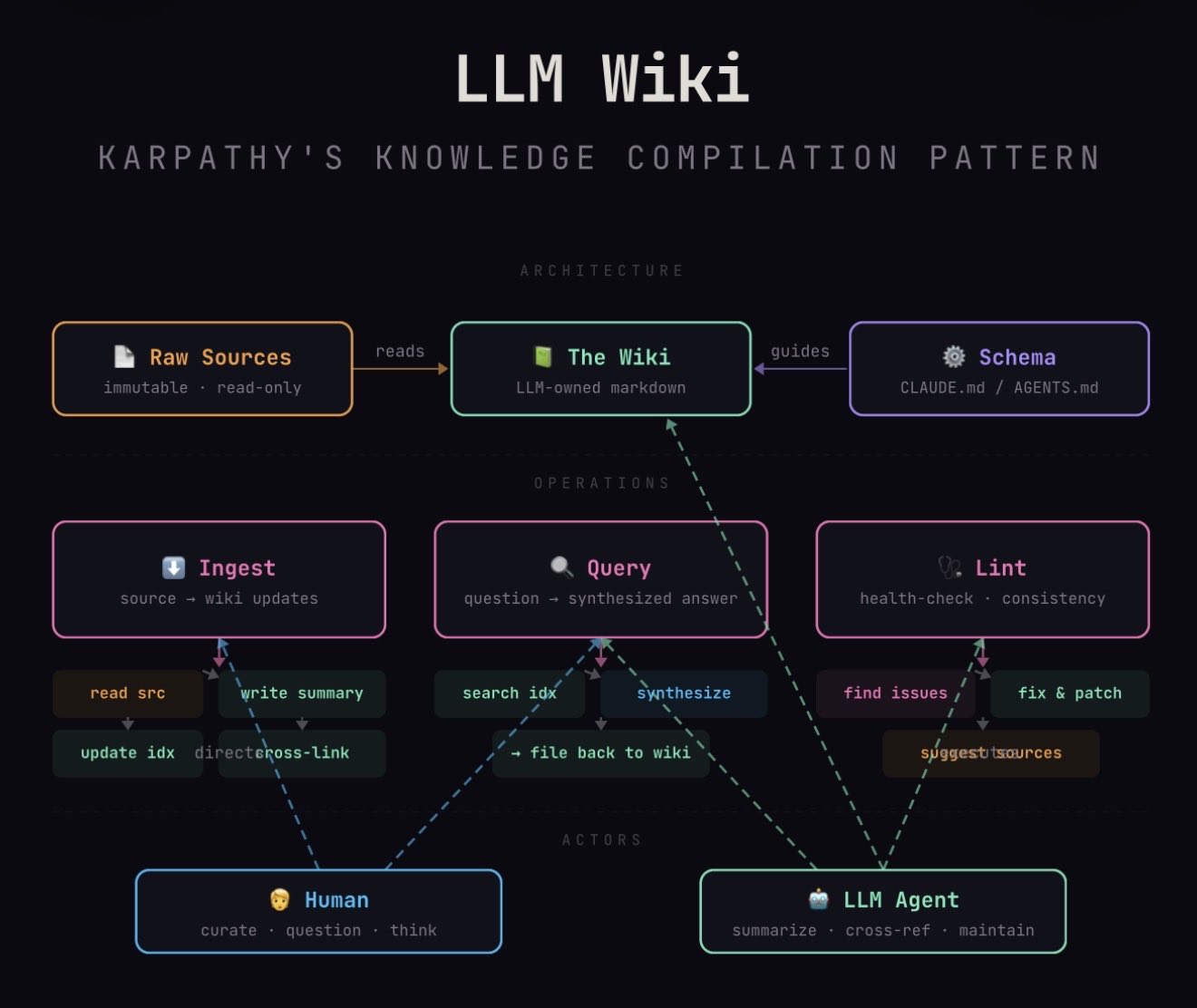
Yuchen Jin on Twitter / X
Karpathy’s “LLM Wiki” pattern: stop using LLMs as search engines over your docs. Use them as tireless knowledge engineers who compile, cross-reference, and maintain a living wiki. Humans curate and think.Diagram generated by my Claude agent knowledge worker. https://t.co/5u5i1GeFK8 pic.twitter.com/NIaq3KlAok— Yuchen Jin (@Yuchenj_UW) April 4, 2026
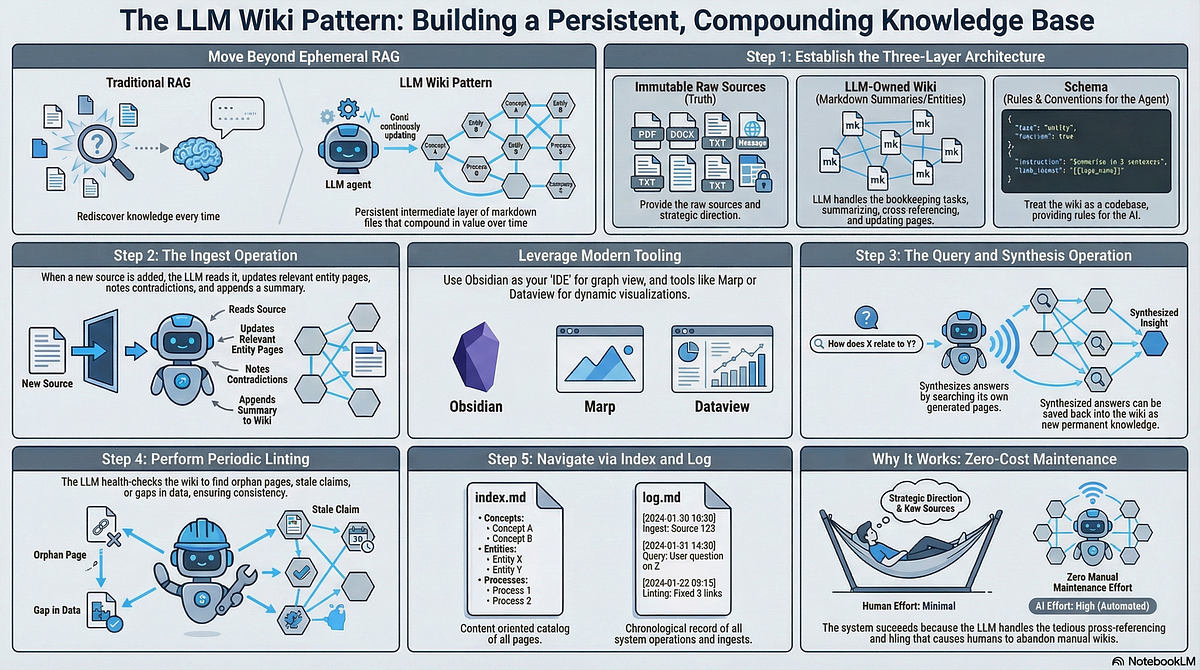
Karpathy's LLM Wiki: The Complete Guide to His Idea File
Karpathy's follow-up gist went viral. Complete breakdown with implementation examples.
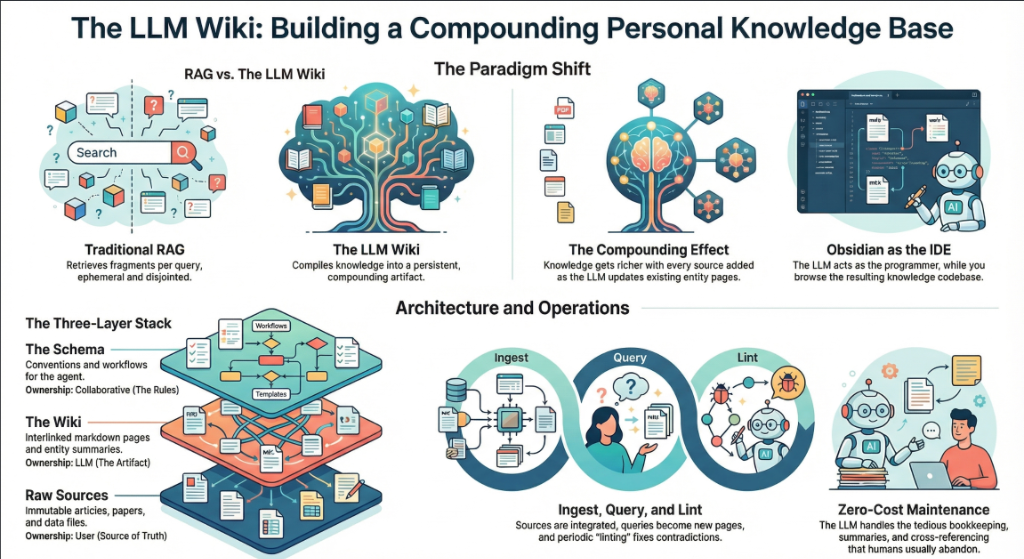
Patina: Turning Karpathy’s LLM Wiki Pattern into a Rust CLI
Useful, local, and slightly fun. There is a simple but important idea behind Andrej Karpathy’s LLM Wiki pattern: useful synthesis should not disappear into chat history.

Karpathy's LLM Knowledge Base Wiki for Enterprise | Vijoy Pandey posted on the topic | LinkedIn
There's a new kind of computer media in the enterprise: Write once, Read never. The docs are perpetually stale, constantly diverging from reality, and scattered across Confluence, SharePoint, GitHub, Webex (or Slack) threads, Notion, Obsidian - and in my personal life, add Apple Notes, Goodnotes, web clippings, and multiple Google Drives worth of docs and slides that nobody is ever going back to. Karpathy tweeted his LLM knowledge base wiki architecture which went viral last weekend and I decided to give it a run yesterday. Verdict: You *have* to try this out. Prediction: You won’t be able to live without it soon. There were a few mods and decisions I made to the base Karpathy provided. First, the vault / folder structure in Obsidian. I already use Obsidian as a human. Instead of creating separate vaults and dealing with the sync nightmare, I just have folders for Human and Agent, and a Raw folder. (1) The Human/ folder is where I write long form articles and notes independent of the knowledge base wiki. No LLM or agent touches this folder. (2) I do have Arnold Layne, my OpenClaw agent, doing background tasks for me. Raw/ is where both Arnold and I, dump raw snippets. Inclusive of diverse kinds of media. (3) The Agent/ folder is where the LLM (Claude in my case) synthesizes the wiki. No human touches this folder. Second, some customizations to CLAUDE.md for enterprise-like usage - (4) Domain extensions - the agent needs to know that quantum computing and agentic AI have different entity types and different provenance thresholds. (5) Primary source protection, when I drop in my own original work, secondary sources can extend it or raise questions against it, but they cannot overwrite it. It sounds like a small thing but its’s not, especially at enterprise scale where provenance actually matters. Karpathy is upfront that what he’s built is working memory for a single agent, and it’s truly remarkable at that. The jump to Shared Context across teams, reconciling conflicting beliefs at org scale, ontologies that don’t collapse under the weight of a hundred contributors - those are much harder problems and what we are exploring with the Internet of Cognition. PS: The screenshot shows my Obsidian vault after just two runs: one with Karpathy’s original tweet and gist file itself (so meta!) and one with our Internet of Cognition paper. Claude (Sonnet) read it, compiled it into structured summaries, entity pages, concept pages, backlinks, merged all the information cohesively, and keeps it all maintained from there. You just read the Wiki. It’s simply magical.

How To Build LLM Wiki In Obsidian? 🧠 A Memory Layer For Any Agentic AI
How to Build an LLM Knowledge Base
A hands-on guide to building a simple LLM knowledge base with raw markdown sources, a compiled wiki, reusable prompts, and an agent that keeps improving the knowledge base over time.
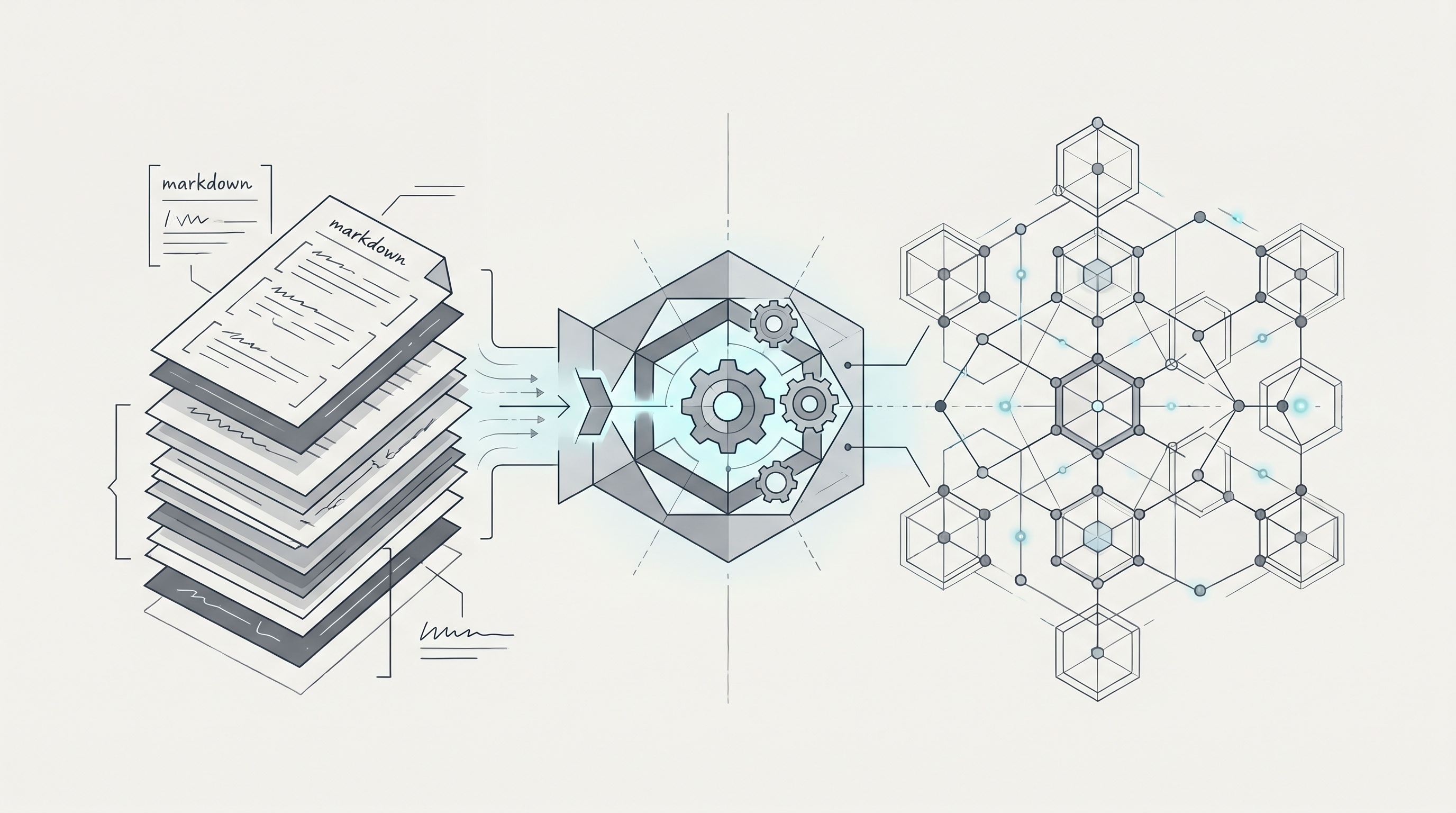
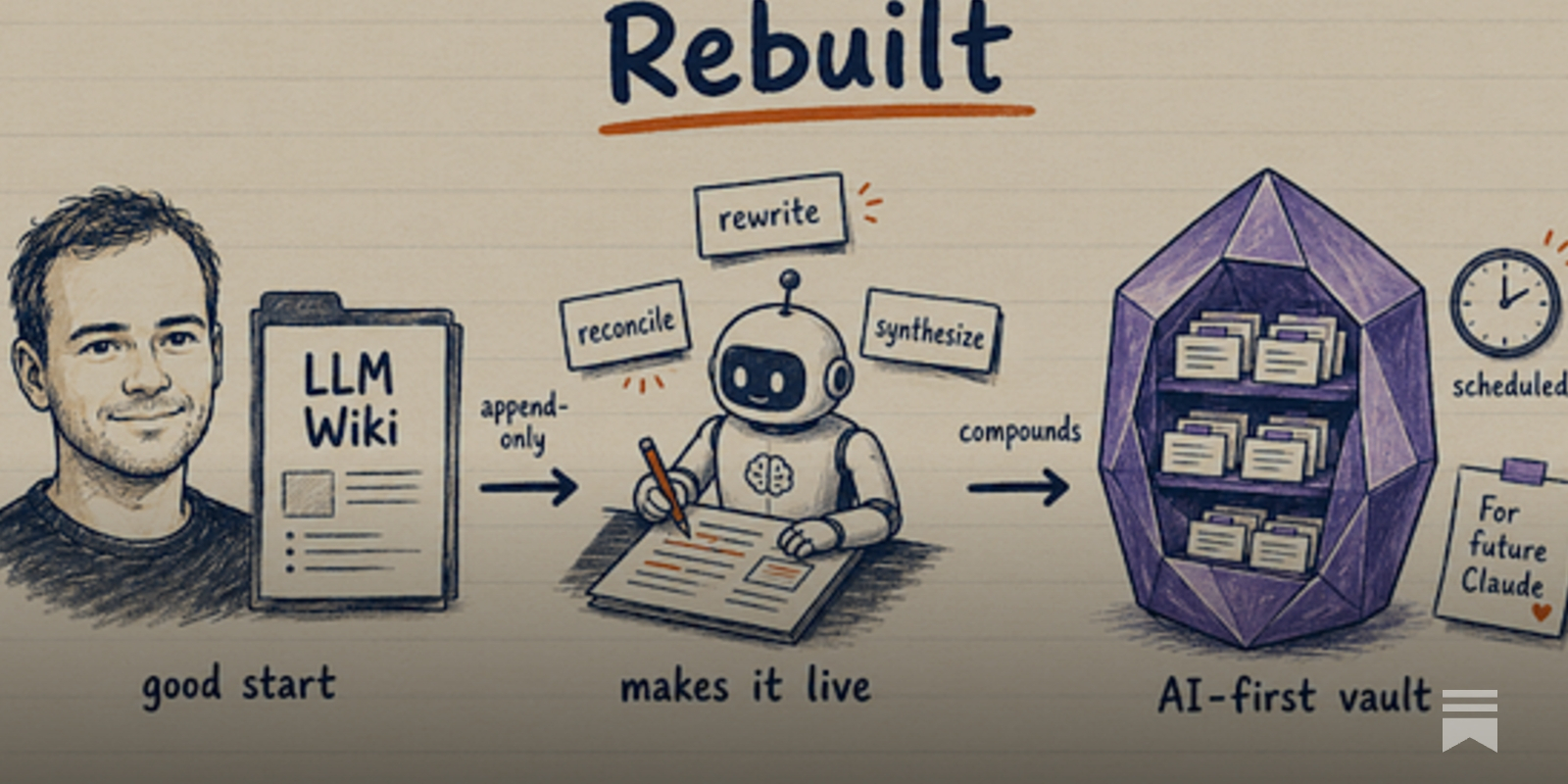
I rebuilt Karpathy's LLM Wiki gist: what's missing
Karpathy's original LLM Wiki gist, explained and rebuilt as a working system. 44 open-source commands, plus the five things the gist leaves out.
Wiki Builder: A Claude Code Plugin for Building LLM Knowledge Bases
Wiki Builder is an open-source Claude Code plugin that turns the LLM-knowledge-base workflow into a one-command setup. Scaffold a configurable wiki, point Claude at sources, and let the agent compile durable pages, indexes, and concept maps for you.

What Karpathy's LLM Wiki Is Missing (And How to Fix It)
Andrej Karpathy's LLM Wiki pattern went viral this month. 5,000+ stars, 3,700 forks, dozens of...

10 Easy Ways to Enhance Your LLM Wiki or Knowledge Base
Paul Iusztin on Twitter / X
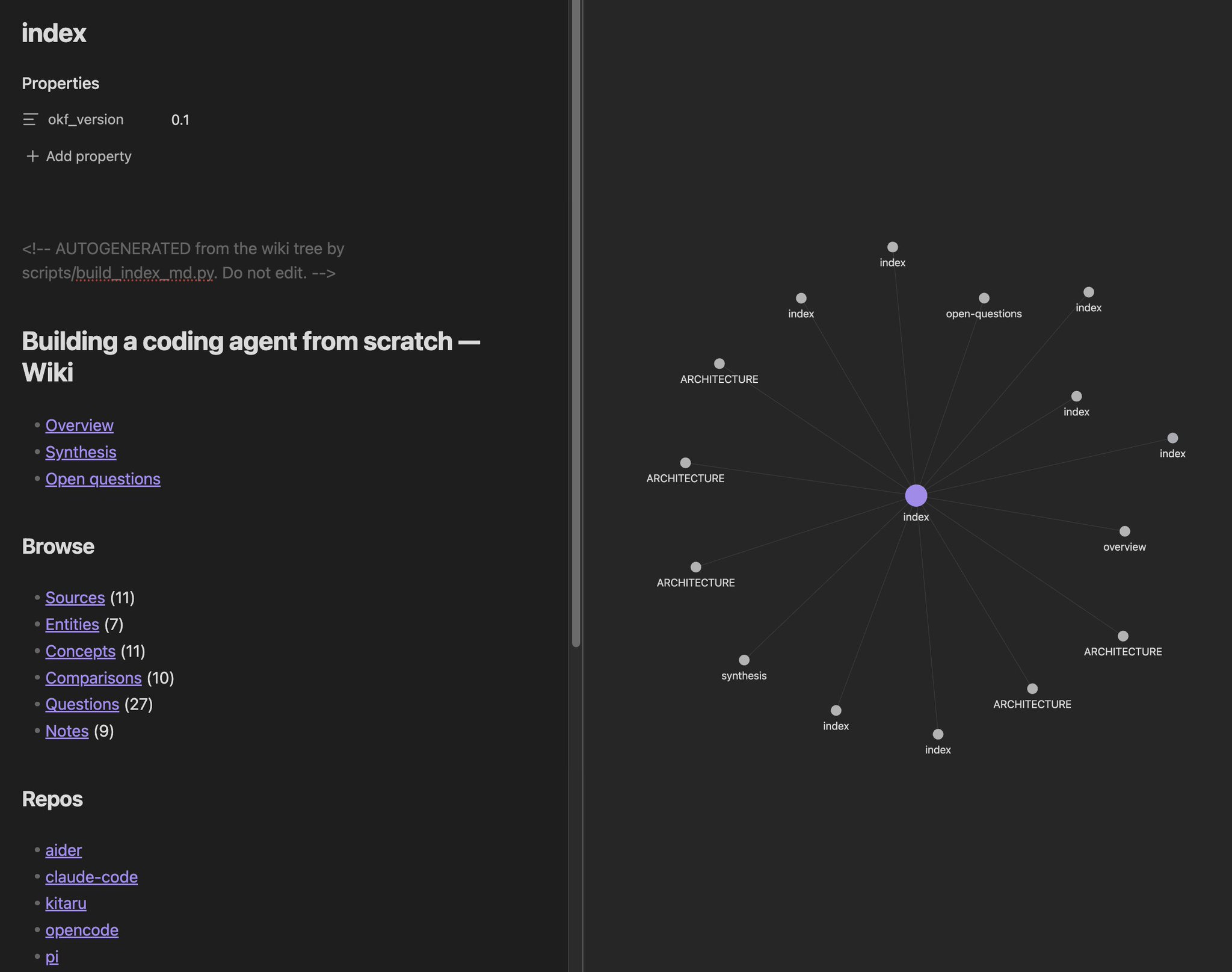
Using LLM wikis for agentic coding is pure gold. It's so powerful it feels like cheating. Here is how I used it to develop a coding harness from scratch:1. I ingested multiple coding harnesses repositories into the LLM wiki (e.g., opencode, pi, hermes, etc.) pic.twitter.com/7WE7NI9tnN— Paul Iusztin (@pauliusztin_) June 29, 2026
Andrej Karpathy on Twitter / X
LLM Knowledge BasesSomething I'm finding very useful recently: using LLMs to build personal knowledge bases for various topics of research interest. In this way, a large fraction of my recent token throughput is going less into manipulating code, and more into manipulating…— Andrej Karpathy (@karpathy) April 2, 2026
Build an LLM Wiki for Your AI Agents
Build an LLM Wiki for Your AI Agents with myKG and Obsidian How to turn a folder of mixed format documents into a typed, interlinked knowledge graph your agents can actually read — using myKG and …