

The hyperteacher, autoteaching in a metaharness.
Keating — The Hyperteacher
Socratic AI that forces you to reconstruct understanding from memory. No hand-holding. No spoon-feeding. Free and open source.
Revenge of the Dilettantes
Book club and AI adventures, age of bespokeness, study groups, new rules of engagement

Revenge of the Dilettantes
Book club and AI adventures, age of bespokeness, study groups, new rules of engagement
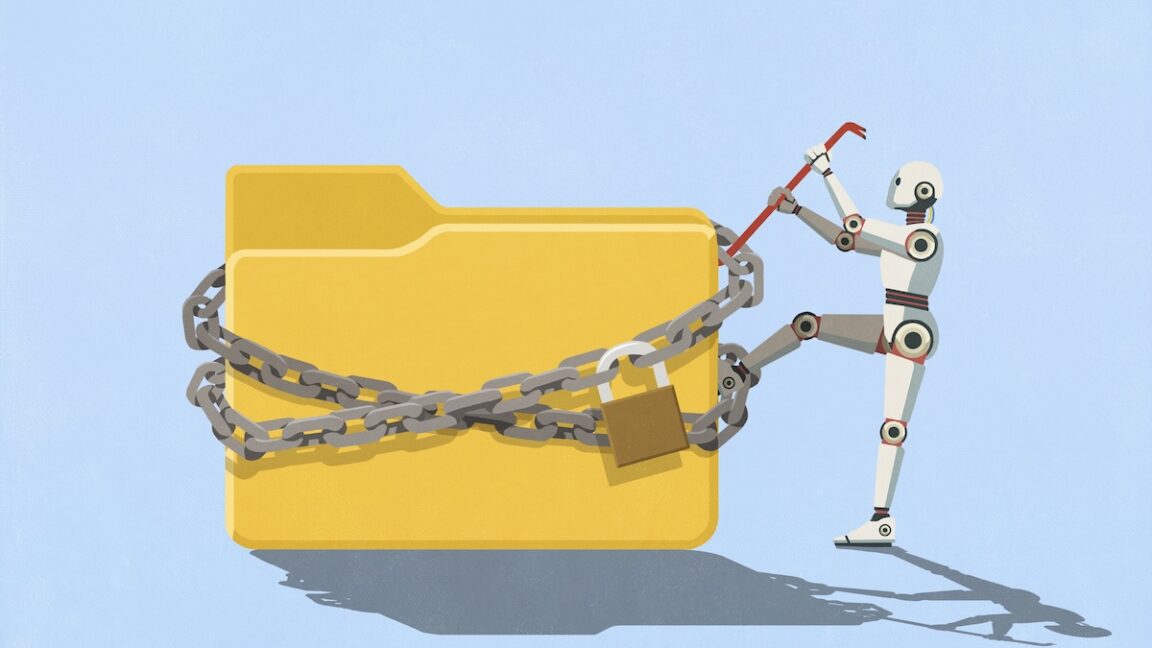
Muse, Meta's extraordinarily privileged AI assistant, has a serious 0-day
A simple ClickFix attack is only one way to completely hijack the new agent.
Meta's New A.I. Agent For Losers
Also: "fast as hell and built for sickos?" That's what they called me in high school.

Metaventory — the meta-science community
A comprehensive community of the people building meta-science and the tools they make — psychology and economics first, growing science-wide.

Metamodern Individualism Anonymous
Diunital Cognition, Emotional Intelligence and Archaeological Therapy

They Dedicated Their Lives to Teaching. Then the Deepfakes Started
The deepfake epidemic in schools is affecting more than students. Four teachers tell WIRED about becoming targets of sexualized, AI-generated content—and how difficult it was to find accountability.

Metacrisis - an Introduction | Metacrisis
In an era defined by global catastrophic risk, polycrisis describes a collection of escalating crises and their complex interactions. Metacrisis points to the common, foundational conditions that generate and sustain these crises.This site offers an accessible introduction to metacrisis: what it is, how it relates to polycrisis, and why it matters. The emphasis is on clarity and rigor rather than drama: presenting the key ideas in a calm, factual way.

Nadia Eghbal, Re: Writing Hypertext
My digichat with @nayafia---an essential writer (*imho*) of texts, notes and wonderful roundups.


Luiza Jarovsky, PhD on Twitter / X
🚨 University professors have been saying AI is completely destroying learning and that we'll soon have an AI-powered, semi-illiterate workforce. Here's a glimpse into the educational apocalypse:"Sarah, a freshman at Wilfrid Laurier University in Ontario, said she first used… pic.twitter.com/Rq6zUi5mRp— Luiza Jarovsky, PhD (@LuizaJarovsky) May 6, 2026

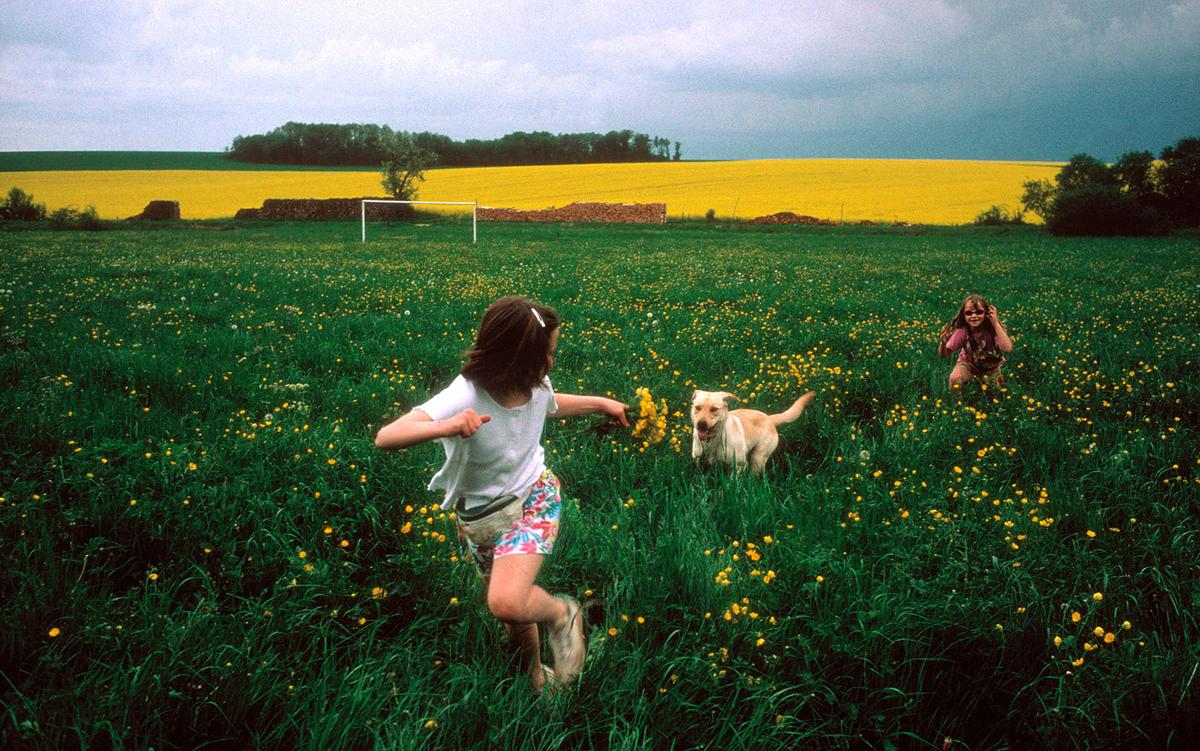
Children today are suffering a severe deficit of play | Aeon Essays
Children today are cossetted and pressured in equal measure. Without the freedom to play they will never grow up
Anarchism and Education
Judith Suissa Anarchism and Education A Philosophical Perspective 2006

@sensemaker.computer make sense of keating.help

Keating — The Hyperteacher
keating.help