

Descentralized LGBT community
LGBTQ+ Groups & Community | Queer Omaha
LGBTQ+ Groups & Community in Omaha, Nebraska — part of Queer Omaha's community-maintained directory.
LGBTQ+ Groups & Community | Queer Omaha
LGBTQ+ Groups & Community in Omaha, Nebraska — part of Queer Omaha's community-maintained directory.
LGBTQ+ Groups & Community | Queer Omaha
LGBTQ+ Groups & Community in Omaha, Nebraska — part of Queer Omaha's community-maintained directory.
AHOY! 2025 - Aendra Rininsland on Queer Resilience on the Social Web - ATProto Community
AHOY! European Social Web Day in Hamburg in 2025
A Queer and Feminist Defense of Being Anonymous Online
From the earliest days of digital communities, online abuse has been connected to anonymity. While concerns around the impact of anonymity, particularly for women, people of color and LGBTQ folks, is legitimate, this paper argues that a flat rejection of digital anonymity is problematic, foreclosing certain forms of queer and feminist praxis. To make this case, I turn to the platform politics of Craigslist. Using Craigslist as a case study, I discuss the persistent stigma attached to online anonymity, before addressing specific tactics of online anonymity associated with queer and feminist values of privacy and mutual aid. Drawing on accounts of Craigslist users who saw anonymity as a protective form of control over their personal information, I outline ways in which anonymity is not solely an enabler for misogyny and homophobia, and can instead (or rather, also) be a subversive tool for self-expression and intimacy.
A Queer and Feminist Defense of Being Anonymous Online
From the earliest days of digital communities, online abuse has been connected to anonymity. While concerns around the impact of anonymity, particularly for women, people of color and LGBTQ folks, is legitimate, this paper argues that a flat rejection of digital anonymity is problematic, foreclosing certain forms of queer and feminist praxis. To make this case, I turn to the platform politics of Craigslist. Using Craigslist as a case study, I discuss the persistent stigma attached to online anonymity, before addressing specific tactics of online anonymity associated with queer and feminist values of privacy and mutual aid. Drawing on accounts of Craigslist users who saw anonymity as a protective form of control over their personal information, I outline ways in which anonymity is not solely an enabler for misogyny and homophobia, and can instead (or rather, also) be a subversive tool for self-expression and intimacy.
Who's Afraid of Gender? (A Guide to Judith Butler)
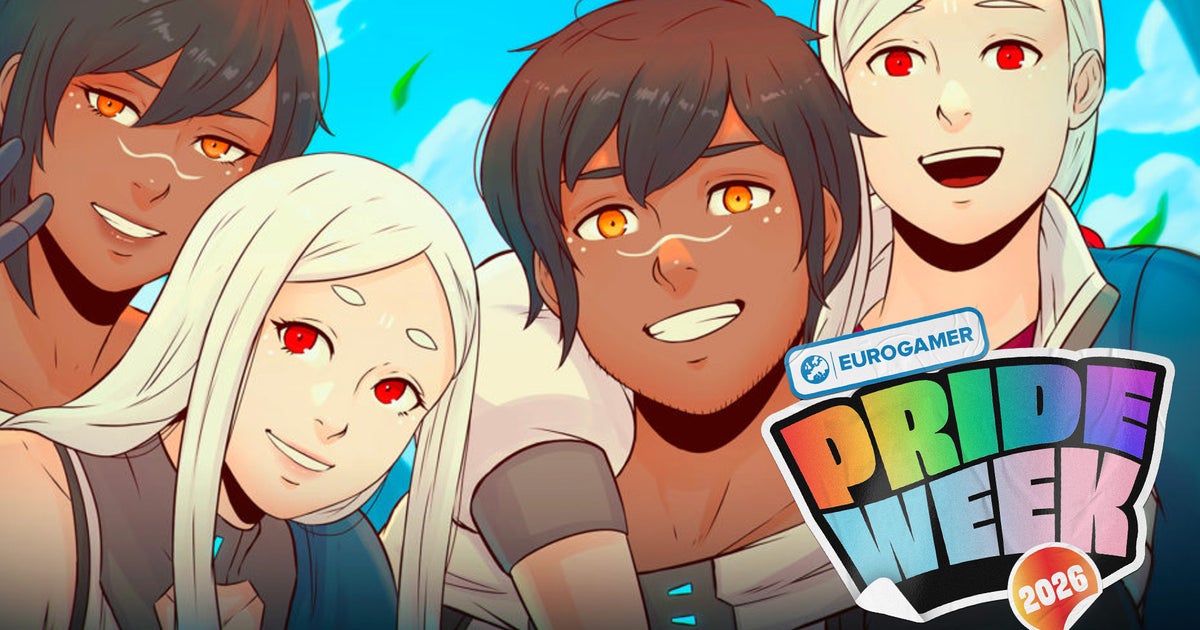
Revisiting Haven, after its developer turned the acclaimed RPG's straight love story gay - and made it better as a result
Hello! Eurogamer's week of features celebrating the intersection of queer culture and gaming continues today as Kaan Se…
You Can Form a Part of Yourself Online: The Influence of New Media on Identity Development and Coming Out for LGBTQ Youth
Internet-based new media are increasingly utilized by lesbian, gay, bisexual, transgender, and queer (LGBTQ) youth, yet little is known about the ways in which it influences their identity developm...
You Can Form a Part of Yourself Online: The Influence of New Media on Identity Development and Coming Out for LGBTQ Youth
Internet-based new media are increasingly utilized by lesbian, gay, bisexual, transgender, and queer (LGBTQ) youth, yet little is known about the ways in which it influences their identity developm...
Social media for sex workers, IGF 2019 | Kollektiv.e
What 10,000 students taught us about combating LGBTphobia in schools
School-based interventions can help, but repeated exposure and the ability to engage resistant groups are key to shifting social norms
Is J.K. Rowling Transphobic? A Trans Woman Investigates
The most insulting thing about J.K. Rowling's transphobia is how mundane it is.

Asexuality and Kink: Why Do So Many Aces Love It?