

Taste-Skill - gives your AI good taste. stops the AI from generating boring, generic slop
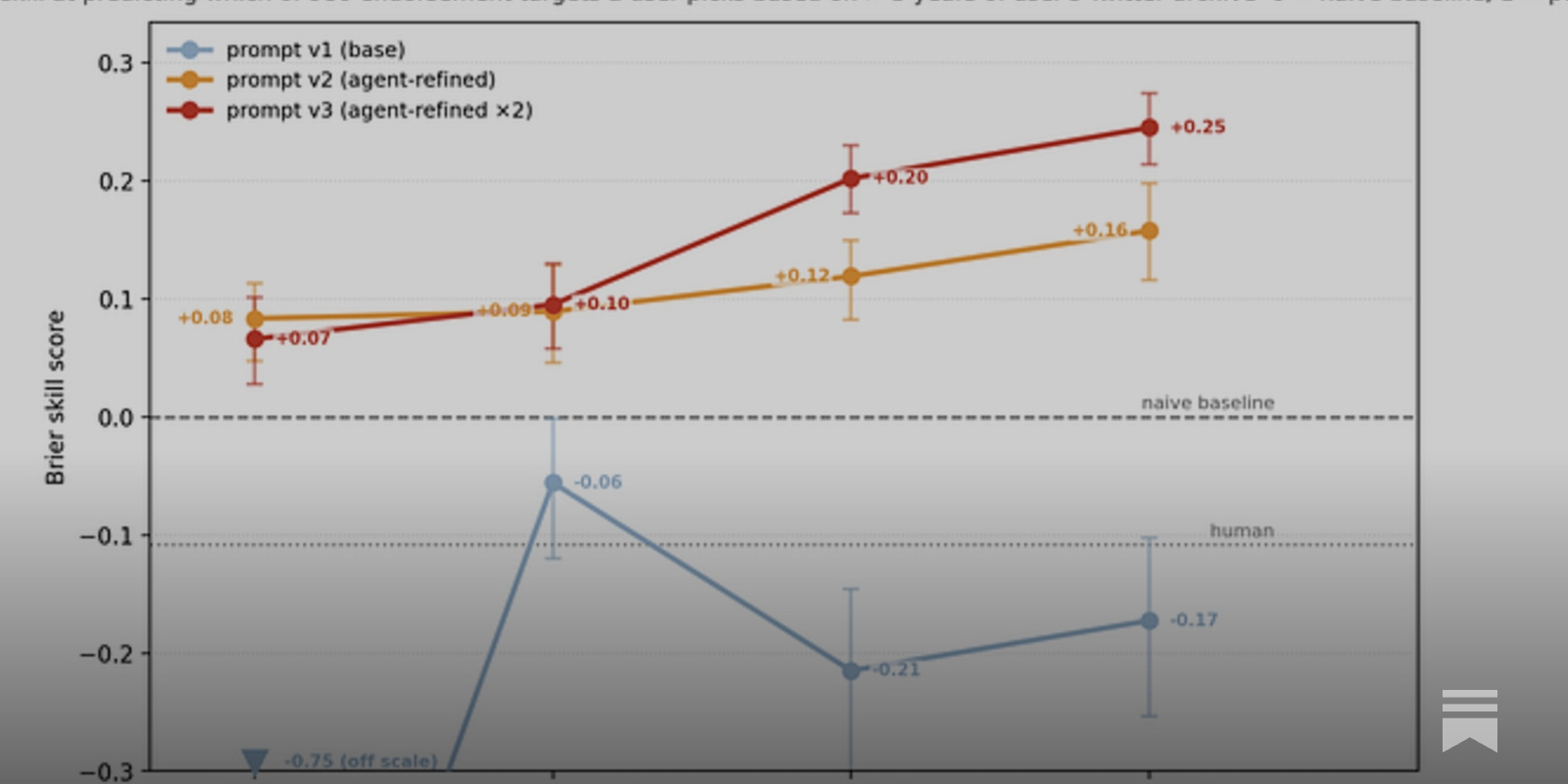
Agentic Taste Modeling | lab notes #8
We built a forecasting benchmark to test how well agents predict what you like.

Popmelt — Design copilots for AI agents
Our Taste models encode design expertise and philosophy, giving AI agents instant access to a curated catalog of aesthetic knowledge. Unlike traditional templates and design systems, our imprints are AI-native and guided by universal principles. This means agents can apply them to any interface scenario, not just predefined layouts and elements. They're also customizable and extensible, letting you build quickly without falling into the cookie-cutter UI library trap.
Our minds did not evolve for AI
AI is mental junk food: tasty and tempting, but ultimately unhealthy — a cognitive hot dog
TasteVal: Measuring the Experimental Research Taste of AI Systems Against Human Experts
We introduce TasteVal, a benchmark to evaluate the experimental research taste of frontier models. We define research taste as the ability to pick interesting problems to solve, design experiments, and interpret experimental results. TasteVal measures the experimental component of research taste; given a fixed research problem, we measure how well a model iteratively designs experiments and draws conclusions from their outcomes. We operationalize experimental research taste as compute efficiency; a Researcher who reaches the same score as an expert human using half the serial experimental compute has twice the experimental taste. Experimental taste thus acts as a multiplier on experimental compute, making it a key input to forecasts of AI progress. TasteVal consists of 8 novel, challenging, open-ended tasks representative of frontier AI R&D. To isolate taste from coding ability, the model under evaluation acts as a Researcher that iteratively designs experiments while a fixed Coder agent implements them and reports their results. The Researcher executes until either the 40 H100 hour or 120 wall-clock hour budgets are exhausted. We recruit 24 human experts, at least 2 per task, and take the best expert attempt per task as the expert baseline. We evaluate 20 models released between 2023 and 2026. The best-performing model, Opus 5.5, exceeds our expert baseline, with a compute multiplier of 2.3x (95% CI 1.15-4.37), at roughly 1/30 of our baseliners' average per-run cost. On TasteVal, the compute multiplier of frontier models has doubled approximately every 3.0 months since December 2025 (95% CI 1.7-5.0), up from every 14 months between 2023 and December 2025. Measured by final normalized performance, frontier models show no trend break, doubling every 14.6 months. To keep TasteVal uncontaminated, we do not release the tasks.

On Taste, Effort & Curiosity - again
When AI collapses how long it takes to ship, what’s left is judgment, experimentation, and knowing what not to build.
Good Taste the Only Real Moat Left
AI makes competent output cheap. That makes taste more valuable, but also more incomplete. The real edge comes from pairing judgment with context, stakes, and the willingness to build.

Alt-Pop Trickster 1010Benja Is Not Scared to Admit He’s Using Generative AI
“If you have it broken down as organic versus AI, the AI is gonna win our world. The good guy doesn’t win this one.”

Our minds aren’t equipped to handle AI
AI is junk food for the mind: easy, tempting and ultimately very bad for you.

Ars Technica's policy on generative AI
How Ars Technica uses, and doesn't use, generative AI.
Generative UI: The AI agent is the front end
In a new model for user interfaces, agents paint the screen with interactive UI components on demand. Let’s take a look.

Which AI brands have the most satisfied users?
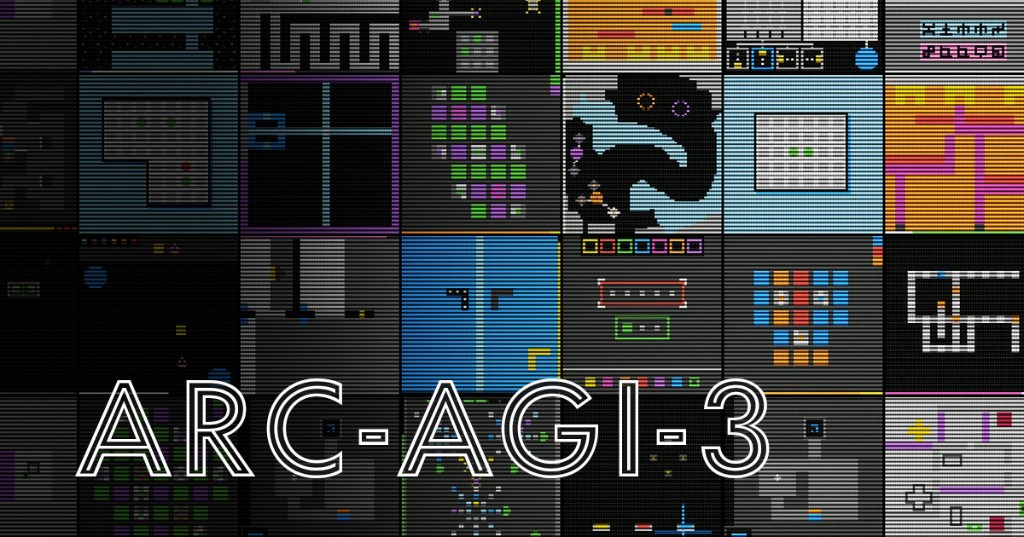
ARC-AGI-3
ARC-AGI-3 is the first interactive reasoning benchmark for AI agents—play as humans and build agents that learn in novel environments.
Your Game Is A Harness - k-hole
Exploring practical ways to make your game more legible to AI agents and how to make agentic iteration faster.

upskill with ai

ideas on how to learn and grow using ai but not necessarily 100% ai generated slop learning

Three Questions on Questions: On Asking, Knowing and Noticing

LLMs reward expertise
Programming (with AI agents) as theory building

explain-diff

AI Coding will Prevent Expertise | Lars Faye

Cognitive Surrender