

Contribute to MaxGramser/homeassistant_espscreen development by creating an account on GitHub.
xai-org/grok-build
SpaceXAI's coding agent harness and TUI. Fullscreen, mouse interactive, extensible.

EtienneLescot/openscreen
Create stunning demos for free. Open-source, no subscriptions, no watermarks, and free for commercial use. An alternative to Screen Studio.
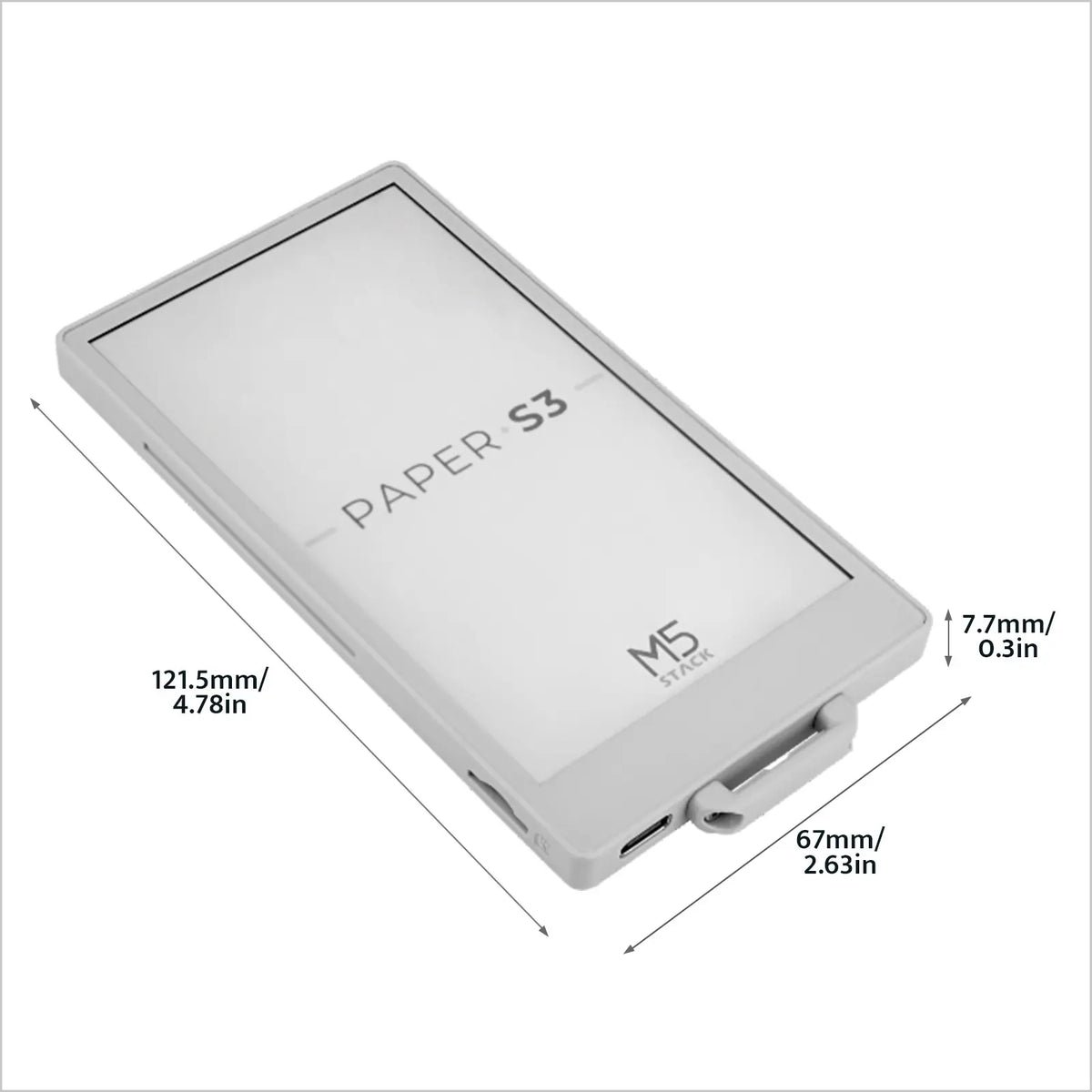
[EOL] M5PaperS3 ESP32S3 Development Kit (960x540, 4.7" eInk Display, 235 ppi)
PaperS3 is a uniquely designed low-power touch-enabled e-ink screen main control device launched by M5Stack. The controller uses the ESP32-S3. The front of the device is embedded with a 960 x 540 @ 4.7" (touch and screen integrated) e-ink display, supporting 16-level grayscale display. Paired with the GT911 capacitive touch panel, it supports two-point touch and various gesture operations. Compared to previous products, PaperS3 adopts a full-screen structure. Compared to ordinary LCD screens, e-ink screens not only provide users with a better text reading experience but also offer advantages such as low power consumption and image retention when powered off.
TasksBoard | Full screen app for Google Tasks
Get more done with the Google Tasks full screen app. Manage, edit and share your tasks from Mac, Windows, or directly from your browser.
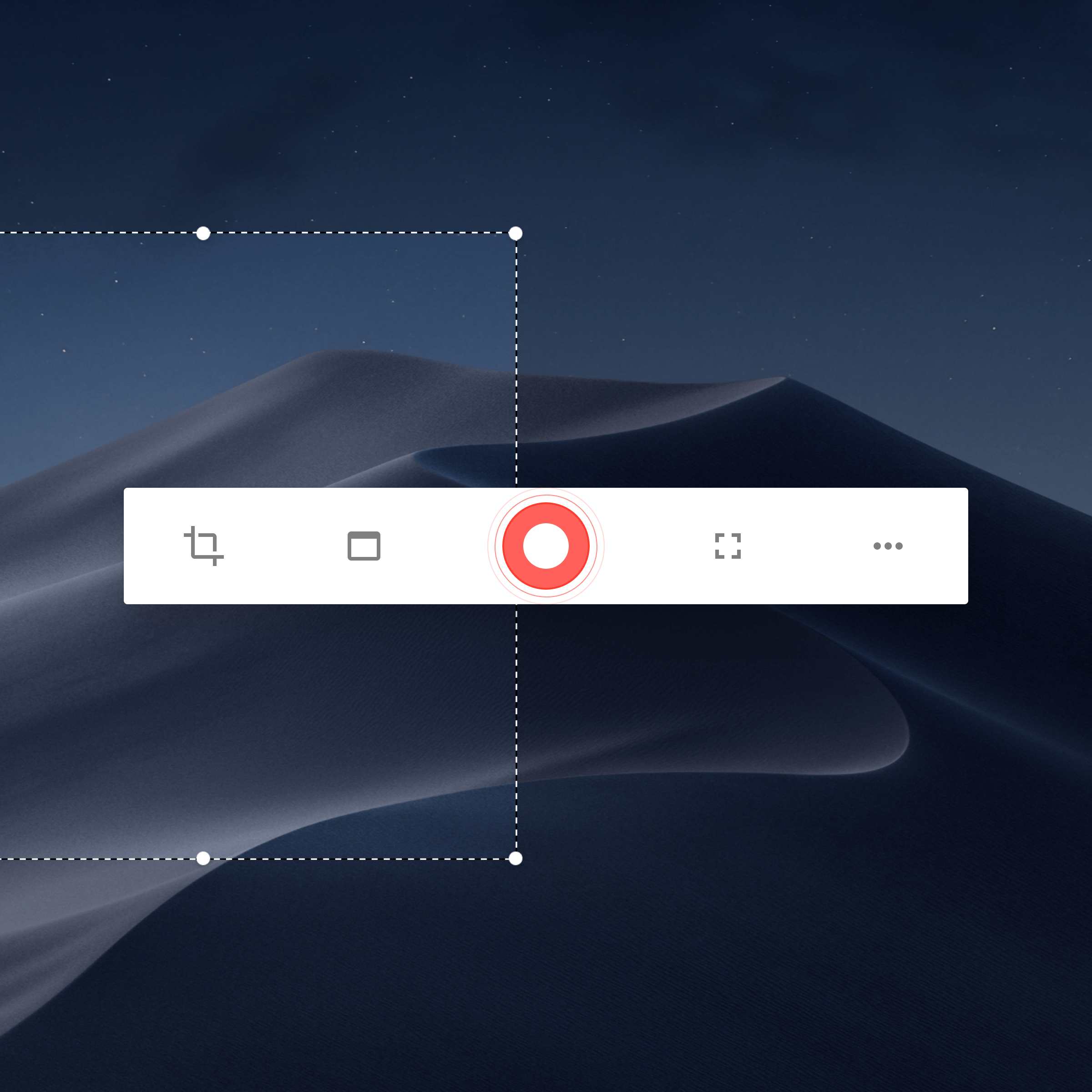
Gradia - Make your screenshots ready for all.
Gradia helps you beautify, annotate, and share screenshots seamlessly on Linux.

KoboPatch Web UI
All I wanted to do is customize my Kobo's home screen, and I went down a reverse engineering rabbit hole and built the ultimate easy-to-use tool to mod your Kobo devices.

M5Paper Color ESP32S3 Dev Kit (600x400, 4" SPECTRA 6 eInk Display)
PaperColor is a development board featuring a 4-inch E Ink Spectra 6 full-color e-paper display with a resolution of 400x600, offering both low power consumption and high visibility. It is built around an integrated ESP32-S3R8 core with 16MB Flash and 8MB PSRAM, and supports 2.4 GHz Wi-Fi wireless communication. The board incorporates a complete human-machine interaction system, including three programmable buttons, an audio system based on the ES8311 audio codec, a MEMS microphone with AEC echo cancellation, and a speaker driven by an AW8737A amplifier — enabling high-quality voice capture and audio playback. In terms of expanded functionality, the board integrates an SHT40 temperature and humidity sensor, RX8130CE real-time clock, microSD card slot, infrared emitter, two RGB LEDs, and an HY2.0-4P expansion interface. Combined with the M5PM1 multi-stage power management system and a 1250mAh battery, it enables long-lasting, low-power operation. Suitable for IoT and embedded applications such as electronic signage, voice interaction terminals, environmental monitoring instruments, and art display installations.

Actor Screen Flasher — rpg.actor
Flash a Waveshare ESP32-C6 AMOLED display with your rpg.actor characters, entirely in your browser.
Rasmus Andersson on Twitter / X
With Playbit (an OS) we’re making the entire screen accessible to scripts/agents as a scene graph with the hope of getting closer, faster, to a state of LLM usefulness for UI assistance— Rasmus Andersson (@rsms) December 31, 2024
A History of Accessibility at IBM
If you are reading this article, there is a good chance that you are using a screen reader, a term that is as generic to assistive technology as Kleenex is to facial tissues or Jell-o is to gelatin desserts. What you may not know, however, is that Screen Reader was once a proprietary product of IBM, rather than the generic term for the way people who are blind or have low vision gain access to computer screens. In fact, our terminals became "talkies" just 20 years ago, in 1984, largely because of the work of Jim Thatcher, then a mathematician for IBM, the world's largest technology company. This auspicious anniversary is an appropriate time to look back on the pioneering efforts of IBM and what it plans for the future.
Escher Circuits: Using Vision to Perform Computation
esolangs, esoplatforms, esosystems, and all that break from the norms of computing

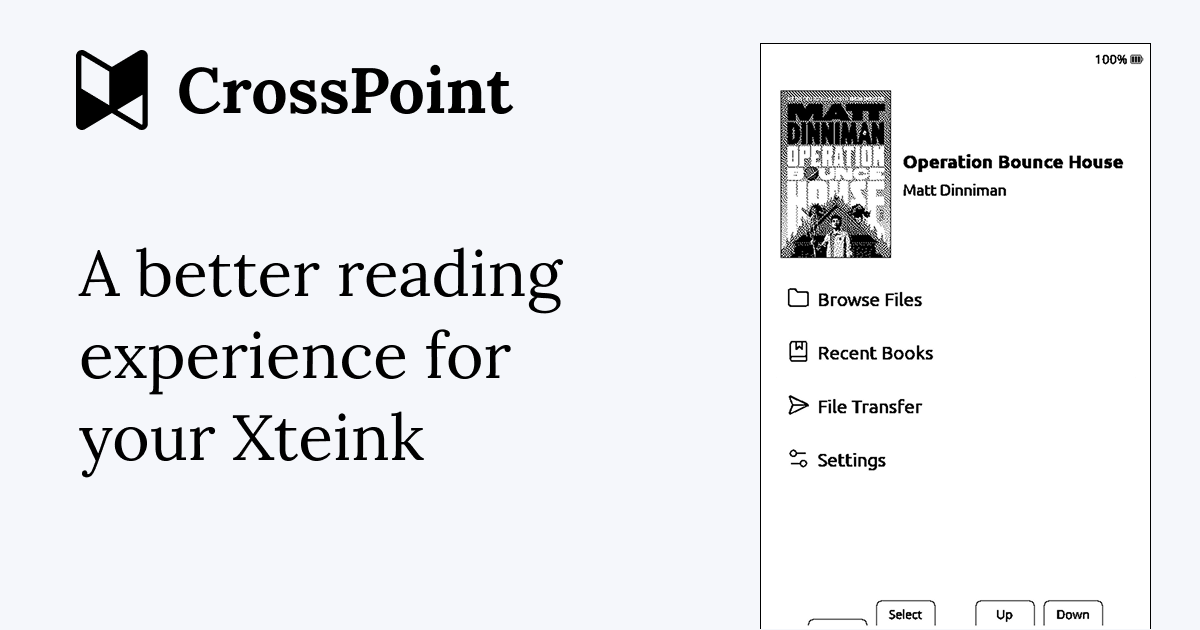
Read without limits.
Open source e-reader software for ESP32 e-ink devices, built by the community.
Eskahlay — Open technology that protects people
Eskahlay is a software consultancy building open-source software and decentralized technologies, focused on digital security and protection for marginalized communities.
