

A Dockerized Android emulator supporting multiple CPU architectures (x86 and arm64) with native performance and seamless ADB & Scrcpy Web access.
android-emulator-container-scripts/js/README.md at master · google/android-emulator-container-scripts
This is a set of minimal scripts to run the emulator in a container for various systems such as Docker, for external consumption - google/android-emulator-container-scripts
android-emulator-container-scripts/create_web_container.sh at master · google/android-emulator-container-scripts
This is a set of minimal scripts to run the emulator in a container for various systems such as Docker, for external consumption - google/android-emulator-container-scripts
Build your own cloud emulator | Android Open Source Project
Effective in 2026, to align with our trunk stable development model and ensure platform stability for the ecosystem, we will publish source code to AOSP in Q2 and Q4. For building and contributing to AOSP, use android-latest-release. The android-latest-release manifest branch will always reference the most recent release pushed to AOSP. For more information, see Changes to AOSP.
Hybris - postmarketOS Wiki
Libhybris is an Android compatibility layer, allowing libraries compiled with bionic (Android) libc to be loaded by applications built with different libc (originally glibc, musl in postmarketOS case). It allows a device to run proprietary Android userspace drivers on top of a downstream kernel by running parts of Android in a container. The upsides and downsides of this approach are discussed in pmaports#703.
Docker: Accelerated Container Application Development
Docker is a platform designed to help developers build, share, and run container applications. We handle the tedious setup, so you can focus on the code.
linuxkit/linuxkit
A toolkit for building secure, portable and lean operating systems for containers
Google’s iron grip on Android: Controlling open source by any means necessary
From the archives: Android is open—except for all the good parts.
The Industry-Leading Container Runtime | Docker
Read about our industry-leading Docker container runtimes. Docker Engine allows containerized apps to run consistently on any infrastructure — from anywhere.
How eBPF is shaping the future of Linux and platform engineering
When Docker burst onto the scene in 2013, Linux containers seemed like an overnight success. But the evolution to containers—and microservices and Kubernetes—was actually decades in the making, based on kernel primitives in the Linux operating system. Docker used these primitives, namely cgroups and namespaces, as building blocks to create a lightweight, easy-to-use software packaging format. Linux containers had been used by Google and others for many years, but Docker made them easily accessible to mainstream developers.

Comparison of Android-based Operating Systems
Comparison of Android-based Operating Systems
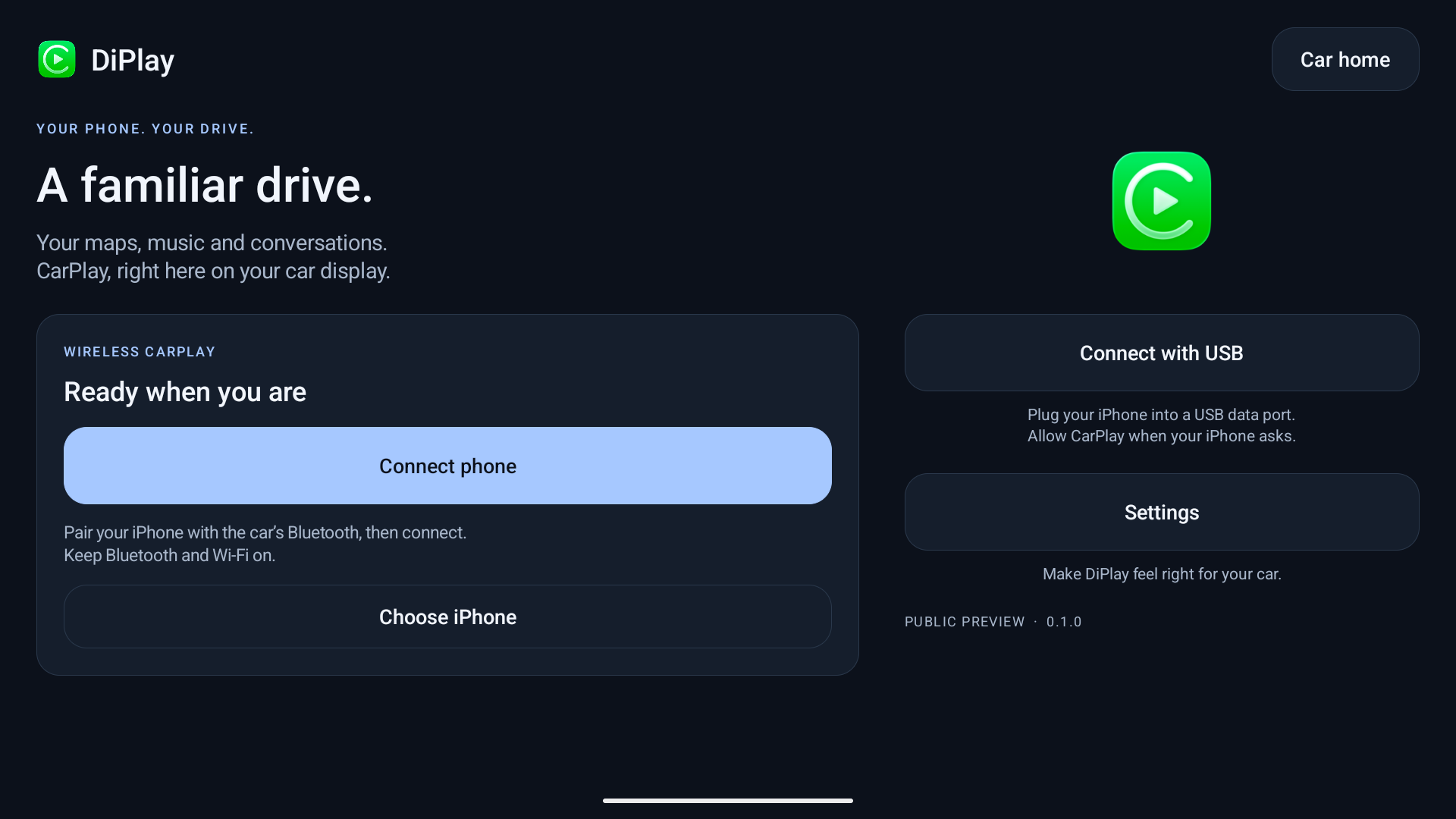
DiPlay — CarPlay for compatible Android head units
No jailbreak, dongle, account or authentication server required.
Android Virtualization Framework (AVF) overview | Android Open Source Project
Effective in 2026, to align with our trunk stable development model and ensure platform stability for the ecosystem, we will publish source code to AOSP in Q2 and Q4. For building and contributing to AOSP, use android-latest-release. The android-latest-release manifest branch will always reference the most recent release pushed to AOSP. For more information, see Changes to AOSP.
Osservatorio Nessuno
A deep dive into Cellebrite: Android support as of February 2025

FEX-Emu – A fast linux usermode x86 and x86-64 emulator
A fast linux usermode x86 and x86-64 emulator
