Proof of concept to port the Ubiquity add-on for Firefox to the web.
Firefox AI & WebExtensions
I gave an introduction to the Firefox AI runtime and WebExtensions at a French local conference this month. This article is a loose transcript of what I said.
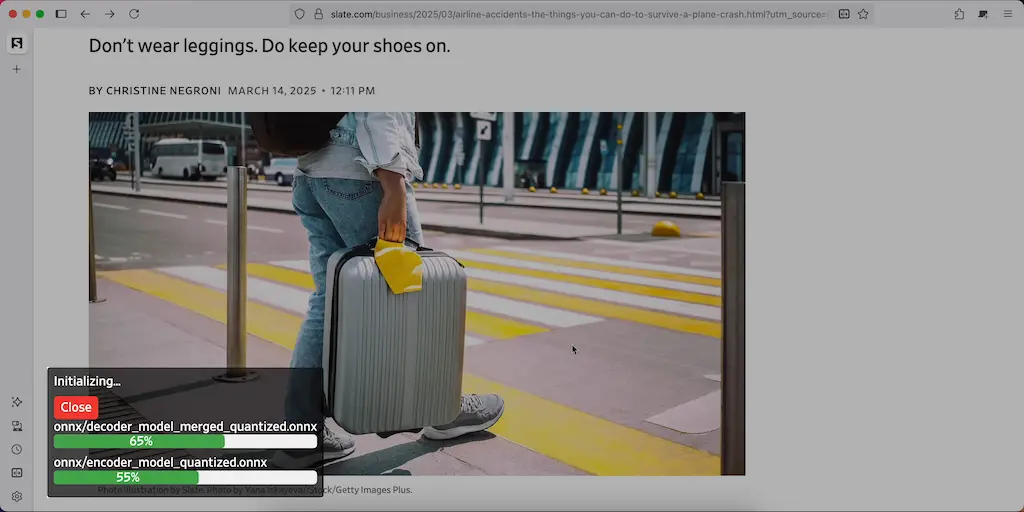
FOSDEM 2025 - The Firefox AI Platform
Learn how the privacy-preserving local inference runtime works in Firefox Desktop, our current use cases and how to create your own features using the Experimental Web Extension API.

WEBCAT - Verifiable Code for the Web
WEBCAT helps people trust the websites they use by making it possible to verify the code running in their browser.
On forking the Web
This document contains a set of informal notes on how to build an alternative specification to the Web, in such a way that hopefully prevents many of its drawbacks while still preserves many of the good points. This document is not an specification, and is therefore subject to change over time.
Behind the Scenes Hardening Firefox with Claude Mythos Preview – Mozilla Hacks - the Web developer blog
New details about what we found, and how agentic harnesses are now able to reproduce real bugs and dismiss false positives.

Protocol Handler Registration via Browser Extensions – make everything intensely
Custom URL schemes have traditionally served as an integration bridge between the browser and external capabilities. Schemes such as mailto: and tel: allow navigation to trigger actions beyond ordinary HTTP resource retrieval. The HTML Standard formalizes this mechanism through the Custom Scheme Handlers API, which enables websites to register themselves as handlers for specific URL schemes.
Marque · Your name, on the open web
Domains for your next idea. Built on the AT Protocol, made for the open web.


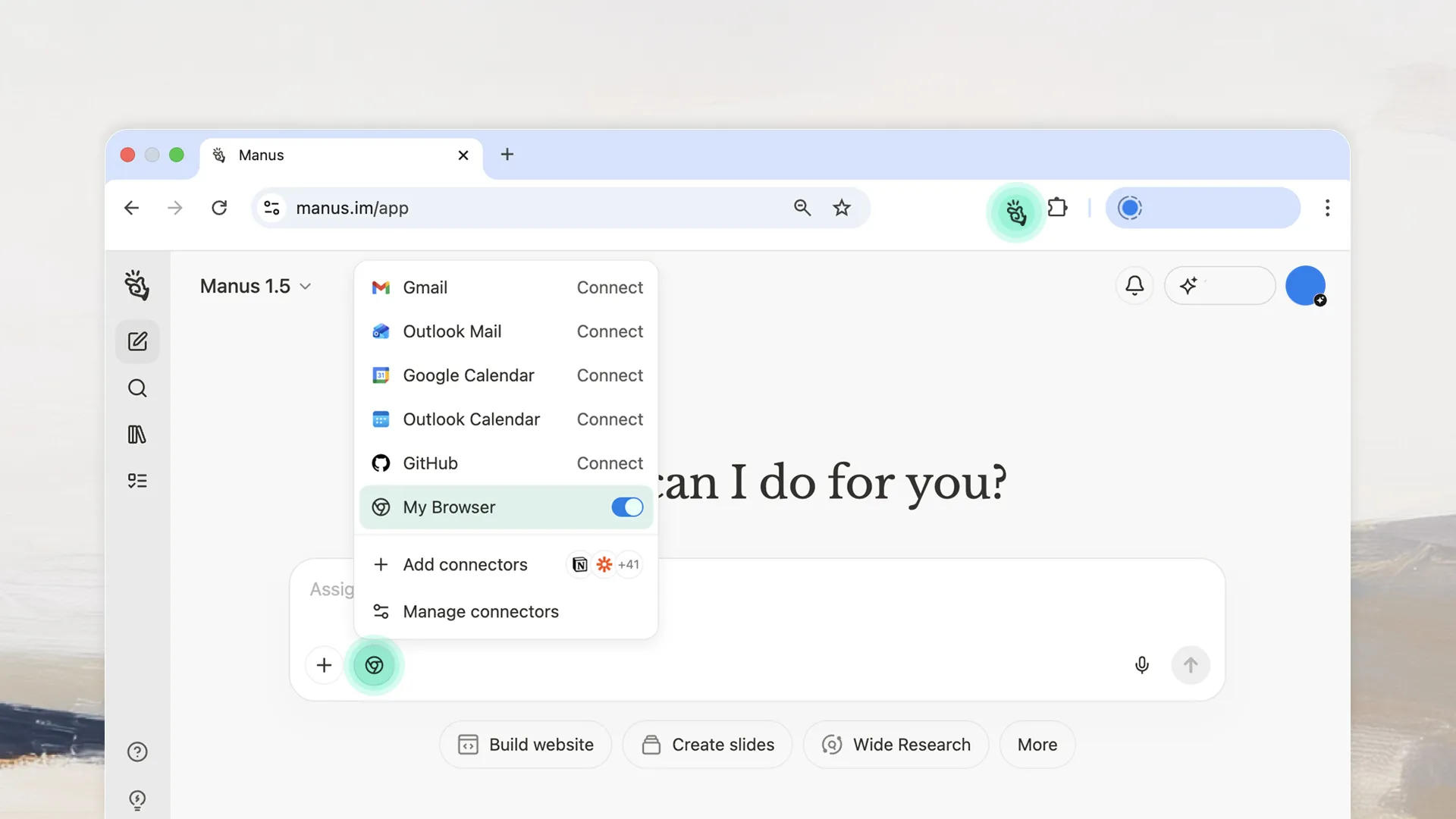
Introducing Manus Browser Operator
One extension that turns any browser into an AI browser. Automate tasks in premium platforms, CRM systems, and authenticated services using your trusted local sessions. Full transparency and control.
Introducing WEBCAT: Web-based Code Assurance and Transparency
In this post, we introduce Web-based Code Assurance and Transparency, a project that supports verifiable in-browser code for single-page browser applications. Along with this post, we are publishing the WEBCAT project repository; follow-up posts will provide more detailed information.

jack (@jack@mastodon.sdf.org)
#Mozilla wants to know what you want from them and, in particular, #Firefox. Let. Them. Know. https://mozillafoundation.tfaforms.net/201
Playing with AI inference in Firefox Web extensions
The personal blog of Thomas Steiner
WebAssembly Browser Preview – Mozilla Hacks - the Web developer blog
Since the last WebAssembly milestone we reached in March, we’ve been hard at work in the WebAssembly Community Group to define a standard and to implement that standard in our ...