

A web client to browse and publish nanopublications.

Science Live - The Platform for FAIR Research
Transform research into FAIR nanopublications. Create, discover, cite, and embed structured knowledge bricks.
Science Live: Platform for FAIR Nanopublications
Science Live Platform - Transform research into connected knowledge
A Brief History & Ethos of the Digital Garden
A newly revived philosophy for publishing personal knowledge on the web
Sensemaking Networks: Transforming Social Media into a Sensemaking Layer for Science | Ronen Tamari
Sensemaking Networks is a project aiming to address three interrelated limitations of the current science publishing and communication infrastructure: (1) poor reach and feedback, (2) knowledge fragmentation, and (3) rigid formats. To address these issues, Sensemaking Networks combine two promising trends in science publishing and communication: science social media and semantic nanopublishing. While science social media significantly impacts scientific processes and public engagement, it lacks formal recognition and accessibility. On the other hand, nanopublications offer the benefits of formal scientific publishing and machine-readable knowledge representation. Their integration represents a promising direction that could serve as a transformative sensemaking layer for science, enhancing the collective synthesis, dissemination, and evaluation of research.

NLnet; Nanoarguments
Scientific knowledge is currently scattered across papers, repositories, and disconnected platforms, with no structured way to trace how claims connect to evidence or how arguments develop. Nanoarguments builds a framework and tools for creating, browsing, and contributing to a global, federated graph of scientific discourse and evidence. Researchers and their communities can collaboratively structure claims, evidence chains, and discussion as nanopublications, which are small, cryptographically signed Linked Data snippets with precise provenance and authorship, published to a decentralized peer-to-peer network. The project builds upon the Nanodash interface to help users browse, edit, and aggregate discourse and evidence graphs, and integrates with dokieli to enable in-context authoring of nanopublications as inline annotations while reading or writing a document. A bidirectional ActivityPub connector bridges the nanopublication network and the fediverse, allowing discourse threads to start as social exchanges and crystallize into persistent, machine-readable evidence records. The project will be piloted with early adopter research groups in discourse and evidence modeling. All components will be released as open-source modules that other systems can build upon.
(PDF) The Comparative Anatomy of Nanopublications and FAIR Digital Objects
PDF | Beginning in 1995, early Internet pioneers proposed Digital Objects as encapsulations of data and metadata made accessible through persistent... | Find, read and cite all the research you need on ResearchGate

#protocolsforpublishers #atproto #mcp #webapplets | Chad Kohalyk
Web publishing is facing its next challenge: a new iteration of centralizing platforms. BUT there is also a new wave of open protocols and standards that can help us gain our independence. Next month in NYC we are gathering a group of frontier technologists and popular web publishers to discuss how we can sail into this next platform shift as captains. #ProtocolsForPublishers Learn more and sign up here: https://pfp.unternet.co We will be hosting talks on #atproto #mcp #webapplets and web payments, and give publishers the opportunity to interact directly with developers working on these frontier technologies. Thank you to Unternet, Graze Social, Free our Feeds, and betaworks for their support.

Andrej Karpathy on Twitter / X
LLM Knowledge BasesSomething I'm finding very useful recently: using LLMs to build personal knowledge bases for various topics of research interest. In this way, a large fraction of my recent token throughput is going less into manipulating code, and more into manipulating…— Andrej Karpathy (@karpathy) April 2, 2026
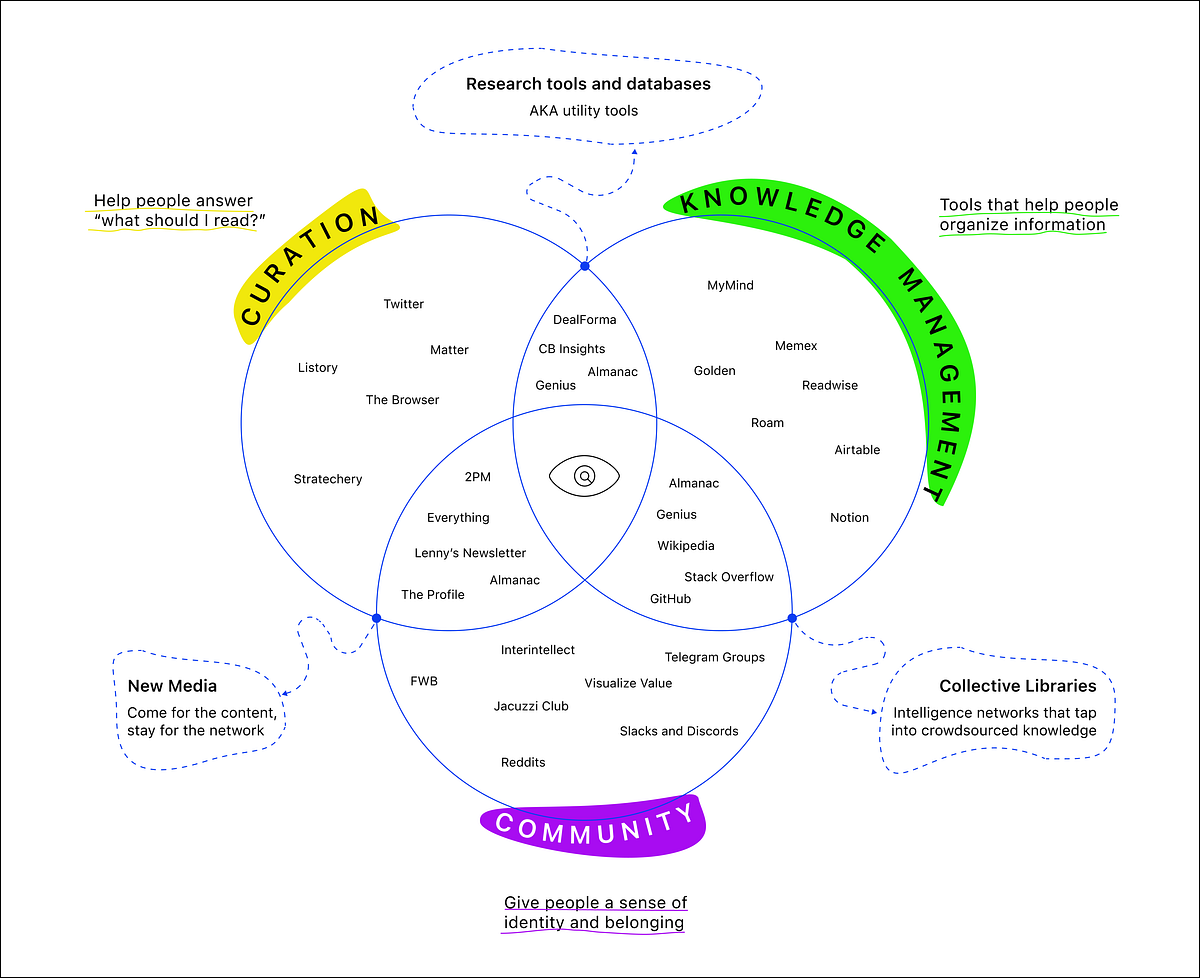
The rise of community-curated knowledge networks
The Internet put thousands of years of human thought at our fingertips, and enabled billions of people to create content. At least 2.5…

Introducing Sequoia: Publishing for the Open Web
Today I'm excited to release a new tool for the AT Protocol: Sequoia. This is a CLI tool that can take your existing self-hosted blog and publish it to the ATmosphere using Standard.site lexicons.

Seed Hypermedia
Publish documents, connect ideas, discuss them in context, and preserve verifiable authorship and collective memory over time.
✍🏽 ATpublishing

Publishing services that lets a user publish content in the ATmosphere network. From long-form (blogging) to videos (vlogging), from images (galleries) to podcasting, and content. Not included are microblogging services, there's a separate list for it. #ATmosphereConf
aparker.io/fair
Writizzy - The Cozy Newsletter & Blog Platform
annot.at
TOKIMEKI Diary
WhiteWind atproto blog
Inkwell