


The best way to code with open models. Magnitude has 9 repositories available. Follow their code on GitHub.
OpenAI Codex with Ollama· Ollama Blog
Open models can be used with OpenAI's Codex CLI through Ollama. Codex can read, modify, and execute code in your working directory using models such as gpt-oss:20b, gpt-oss:120b, or other open-weight alternatives.

Open Models Inference for Coding · Umans AI
Hosted Kimi K3, GLM 5.2, and DeepSeek V4 Flash. Pay per token, on infrastructure we own.

Open models by OpenAI
Advanced open-weight reasoning models to customize for any use case and run anywhere.

Open-Source AI & Open Models Reading List
How to get up to speed on open models and their implications.
Olmo 3: Charting a path through the model flow to lead open-source AI | Ai2
Our new flagship Olmo 3 model family empowers the open source community with not only state-of-the-art open models, but the entire model flow and full traceability back to training data.

OpenAI Model Spec
The Model Spec specifies desired behavior for the models underlying OpenAI's products (including our APIs).

OpenAI on Twitter / X
Our open models are here.Both of them.https://t.co/9tFxefOXcg— OpenAI (@OpenAI) August 5, 2025
Overview - GroqDocs
Fast LLM inference, OpenAI-compatible. Simple to integrate, easy to scale. Start building in minutes.

Ollama
Ollama is the easiest way to automate your work using open models, while keeping your data safe.

Open models in perpetual catch-up
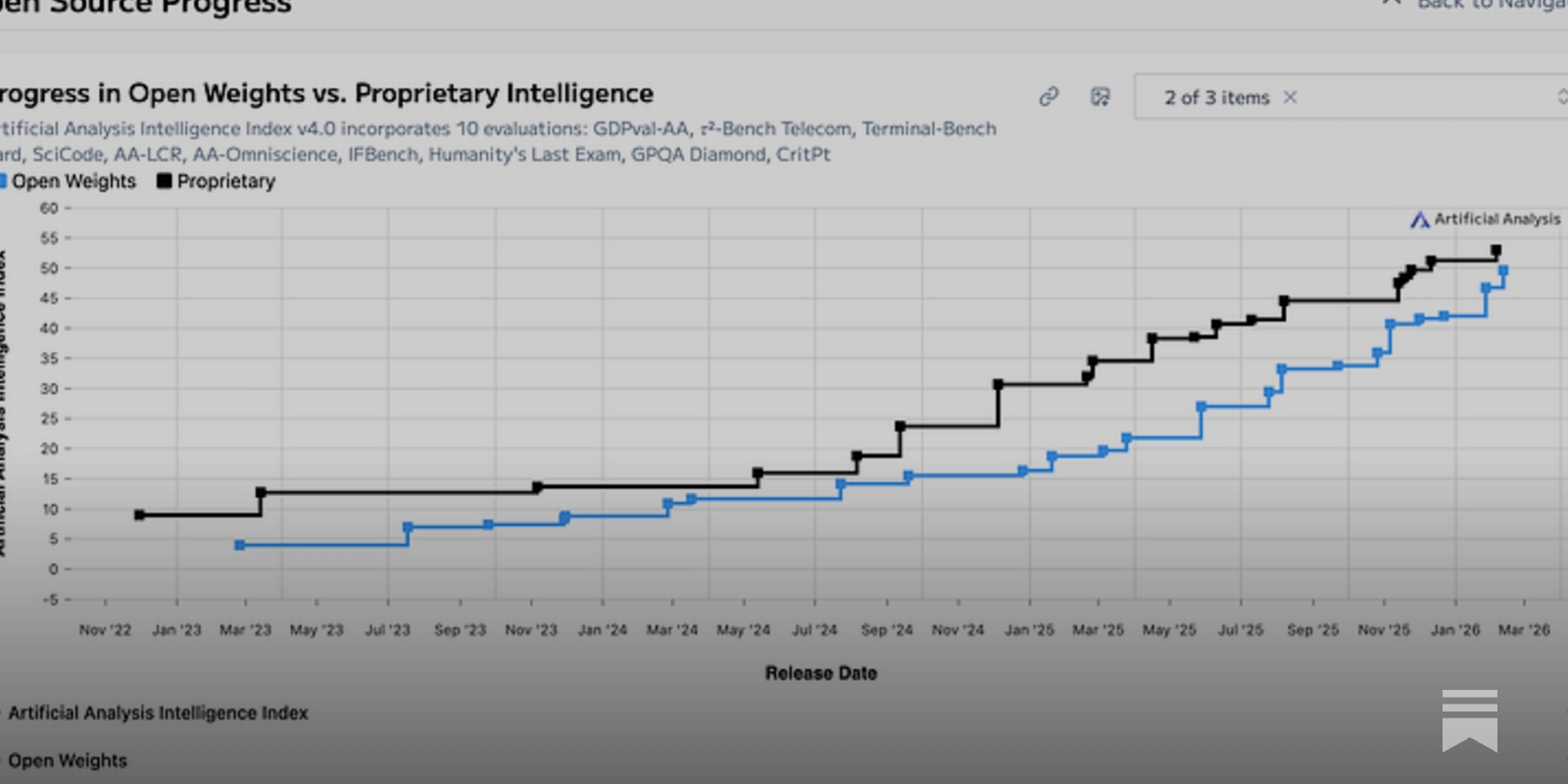
The open-closed gap, distillation, innovation timescales, how open models win, specialized models, what’s missing, etc.
gpt-oss:120b
OpenAI’s open-weight models designed for powerful reasoning, agentic tasks, and versatile developer use cases.