

Estimating the COVID risk of ordinary activities
The unprecedented and deadly cruise ship hantavirus outbreak, explained
This is not COVID," and other reasons why risk to the public is currently low.

Underlying Conditions and the Higher Risk for Severe COVID-19
Learn risk factors for severe outcomes from COVID-19 and actions to take.
Opinion | When It Comes to Covid-19, Most of Us Have Risk Exactly Backward (Published 2020)
We aren’t very good at discussing trade-offs, but we need to make some during this pandemic.

Archive: New COVID-19 ‘Citizen Science’ Initiative Lets Any Adult with a Smartphone Help to Fight Coronavirus
The online study would try to help researchers gain insight into how the virus is spreading and identify ways to predict and reduce the number of new infections.

annotations: Le Covid-19 et la nouvelle bataille des idées en Europe
Blog de sciences économiques et sociales de Martin Anota. Traductions, revues de presse.
COVID-19 #CoronaVirus Infographic Datapack — Information is Beautiful
Updated daily, now with global vaccination stats

COVID antihistamine protocol
This current wave of COVID is bad, and I'm seeing a lot of people who were previously NOVID posting photos of their positive tests. I've been trying fairly diligently to get this information out on social media, because I know I follow the literature a lot more closely than a lot of people, so here
Covid-19 living Data
COVID-NMA is an international research initiative supported by the WHO and Cochrane.
I Lived Through SARS and Reported on Ebola. These Are the Questions We Should Be Asking About Coronavirus. — ProPublica
For concerned civilians and journalists covering the coronavirus, the figures and projections can be overwhelming, frightening or confusing. Here’s what reporter Caroline Chen is focusing on to keep things as accurate and clear as possible.

Effect of the Tokyo 2020 Summer Olympic Games on COVID-19 incidence in Japan: a synthetic control approach
Background The Tokyo 2020 Summer Olympic Games (23 July–8 August 2021) were held in the middle of Japan’s fifth wave of COVID-19, when the number of cases was on the rise, and coincided with the fourth state of emergency implemented by the host city, Tokyo. Aim This study aimed to assess whether the hosting of the Games was associated with a change in the number of COVID-19 cases in Japan using a synthetic control method. Methods A weighted average of control countries with a variety of predictors was used to estimate the counterfactual trajectory of daily COVID-19 cases per 1 000 000 population in the absence of the Games in Japan. Outcome and predictor data were extracted using official and open sources spanning several countries. The predictors comprise the most recent country-level annual or daily data accessible during the Games, including the stringency of the government’s COVID-19 response, testing capacity and vaccination capacity; human mobility index; electoral democracy index and demographic, socioeconomic, health and weather information. After excluding countries with missing data, 42 countries were ultimately used as control countries. Results The number of observed cases per 1 000 000 population on the last day of the Games was 109.2 (7-day average), which was 115.7% higher than the counterfactual trajectory comprising 51.0 confirmed cases per 1 000 000 population. During the Olympic period (since 23 July), the observed cumulative number of cases was 61.0% higher than the counterfactual trajectory, comprising 143 072 and 89 210 confirmed cases (p=0.023), respectively. The counterfactual trajectory lagged 10 days behind the observed trends. Conclusions Given the increasing likelihood that new emerging infectious diseases will be reported in the future, we believe that the results of this study should serve as a sentinel warning for upcoming mega-events during COVID-19 and future pandemics.

Researchers link Long COVID to another virus | NHK WORLD-JAPAN News
Researchers in Japan have released findings showing that COVID-19 after effects, including fatigue, occur when a coronavirus infection activates another virus already inside the body.

What to Know About New Covid Vaccines for Fall 2026
The shots have been approved for people 65 and older, and for younger people with underlying conditions. Others may be able to get them off label.

COVID-19 Vaccines Aren’t Causing AIDS
The truth behind a new preprint from a team at Yale
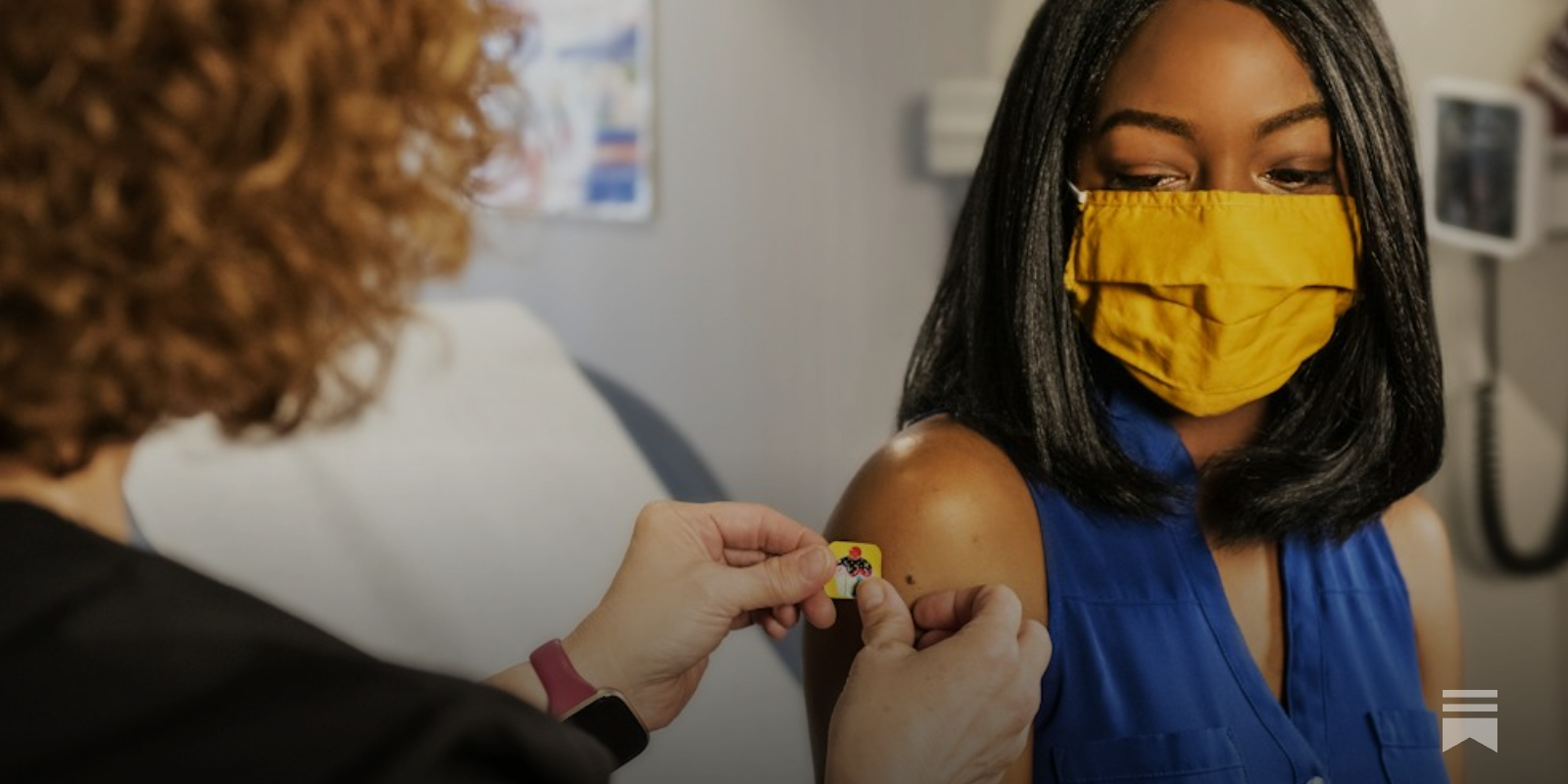
County-level associations between drinking water PFAS contamination and COVID-19 mortality in the United States
Epidemiologic and animal studies both support relationships between exposures to per- and polyfluoroalkyl substances (PFAS) and harmful effects on the immune system. Accordingly, PFAS have been identified as potential environmental risk factors for adverse COVID-19 outcomes.