MITIE: library and tools for information extraction
Google for Developers Blog - News about Web, Mobile, AI and Cloud
Explore LangExtract: a Gemini-powered, open-source Python library for reliable, structured information extraction from unstructured text with precise source grounding.

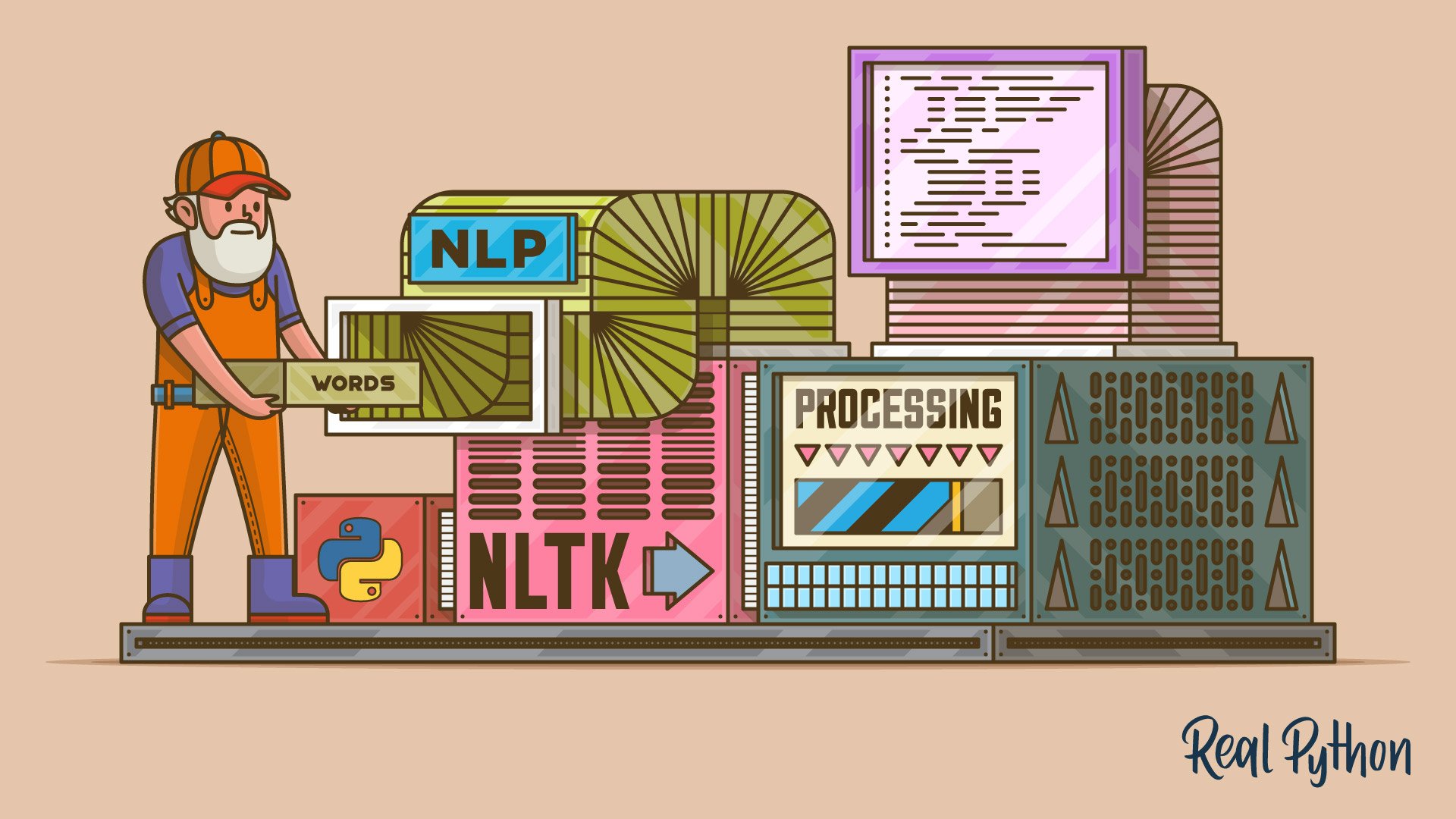
Natural Language Processing With Python's NLTK Package – Real Python
In this beginner-friendly tutorial, you'll take your first steps with Natural Language Processing (NLP) and Python's Natural Language Toolkit (NLTK). You'll learn how to process unstructured data in order to be able to analyze it and draw conclusions from it.
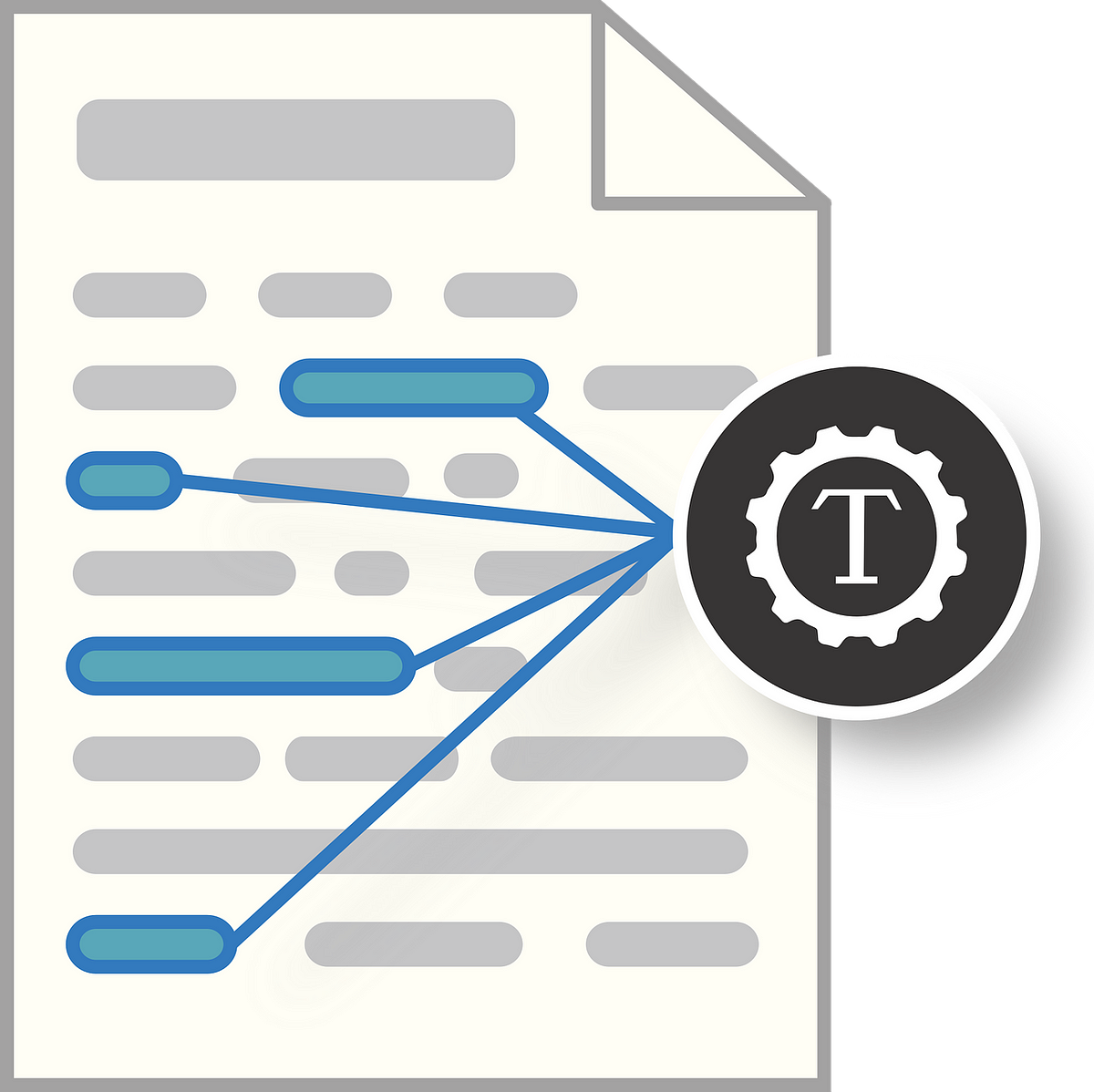
LangExtract
A Python library for extracting structured information from unstructured text using LLMs with precise source grounding and interactive visualization.
The Stanford NLP Group
Performing groundbreaking Natural Language Processing research since 1999.

Named Entity Recognition with NLTK and SpaCy
NER is used in many fields in Natural Language Processing (NLP)
Documenting Large Webtext Corpora: A Case Study on the Colossal Clean Crawled Corpus
Large language models have led to remarkable progress on many NLP tasks, and researchers are turning to ever-larger text corpora to train them. Some of the largest corpora available are made by scraping significant portions of the internet, and are frequently introduced with only minimal documentation. In this work we provide some of the first documentation for the Colossal Clean Crawled Corpus (C4; Raffel et al., 2020), a dataset created by applying a set of filters to a single snapshot of Common Crawl. We begin by investigating where the data came from, and find a significant amount of text from unexpected sources like patents and US military websites. Then we explore the content of the text itself, and find machine-generated text (e.g., from machine translation systems) and evaluation examples from other benchmark NLP datasets. To understand the impact of the filters applied to create this dataset, we evaluate the text that was removed, and show that blocklist filtering disproportionately removes text from and about minority individuals. Finally, we conclude with some recommendations for how to created and document web-scale datasets from a scrape of the internet.
Open information extraction
In natural language processing, open information extraction (OIE) is the task of generating a structured, machine-readable representation of the information in text, usually in the form of triples or n-ary propositions.
Stanford CS336 Language Modeling from Scratch I 2025
Orrery, a Knowledge Graph That Adapts to Its Corpus
Orrery is our open-source knowledge graph that gets deeper as you feed it: domains that hit critical mass earn their own custom extraction specs, agents get an API, and humans get a galaxy. The whole …


Extracting Training Data from Large Language Models
Nicholas Carlini, Google; Florian Tramèr, Stanford University; Eric Wallace, UC Berkeley; Matthew Jagielski, Northeastern University; Ariel Herbert-Voss, OpenAI and Harvard University; Katherine Lee and Adam Roberts, Google; Tom Brown, OpenAI; Dawn Song, UC Berkeley; Úlfar Erlingsson, Apple; Alina Oprea, Northeastern University; Colin Raffel, Google
DBpedia Abstracts: A Large-Scale, Open, Multilingual NLP Training Corpus
The ever increasing importance of machine learning in Natural Language Processing is accompanied by an equally increasing need in large-scale training and evaluation corpora. Due to its size, its openness and relative quality, the Wikipedia has already been a source of such data, but on a limited scale. This paper introduces the DBpedia Abstract Corpus, a large-scale, open corpus of annotated Wikipedia texts in six languages, featuring over 11 million texts and over 97 million entity links. The properties of the Wikipedia texts are being described, as well as the corpus creation process, its format and interesting use-cases, like Named Entity Linking training and evaluation.