

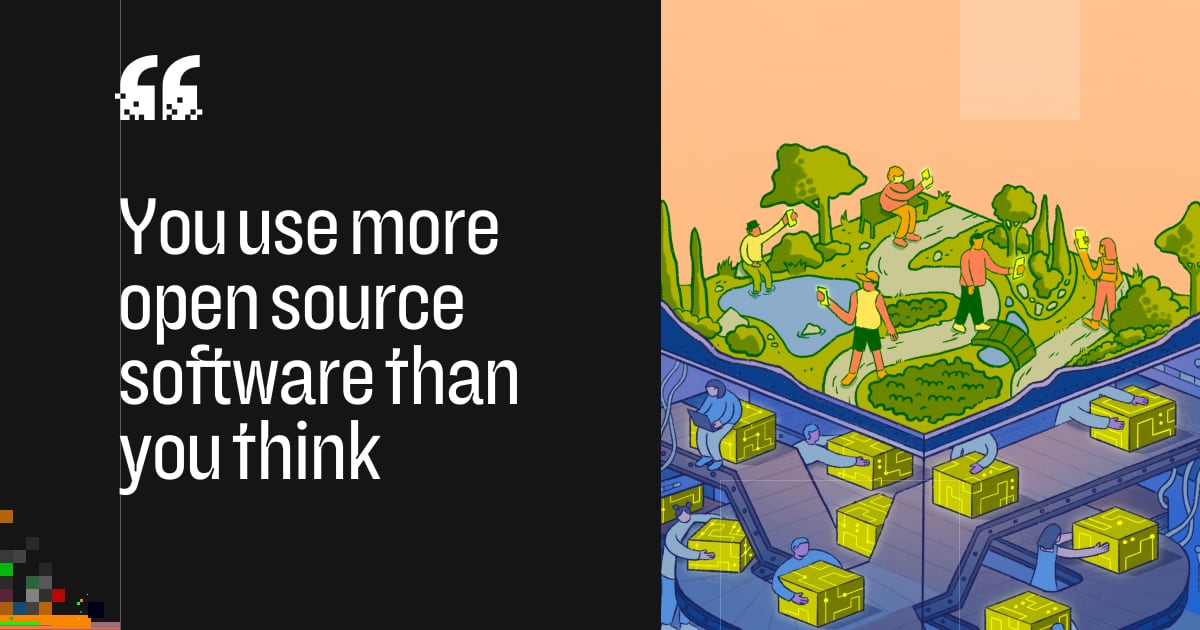
Open source packages are the “roads and bridges” of software, but unlike real roads and bridges, open source is often invisible.
Open source and the software supply chain
Managing something as esoteric as resources for building software with a variety of contributions made by the open source community is more amorphic.

When Free Software Isn't (Practically) Superior - GNU Project - Free Software Foundation
The Open Source Initiative's mission statement reads, “Open source is a development method for software that harnesses the power of distributed peer review and transparency of process. The promise of open source is better quality, higher reliability, more flexibility, lower cost, and an end to predatory vendor lock-in.”
Open Source vs. Closed Source Software – What’s the Difference?
This article will take a look at the two different softwares, and compare them through the topics of development, support, flexibility, and cost. Open Source Vs. Closed Source Explained.

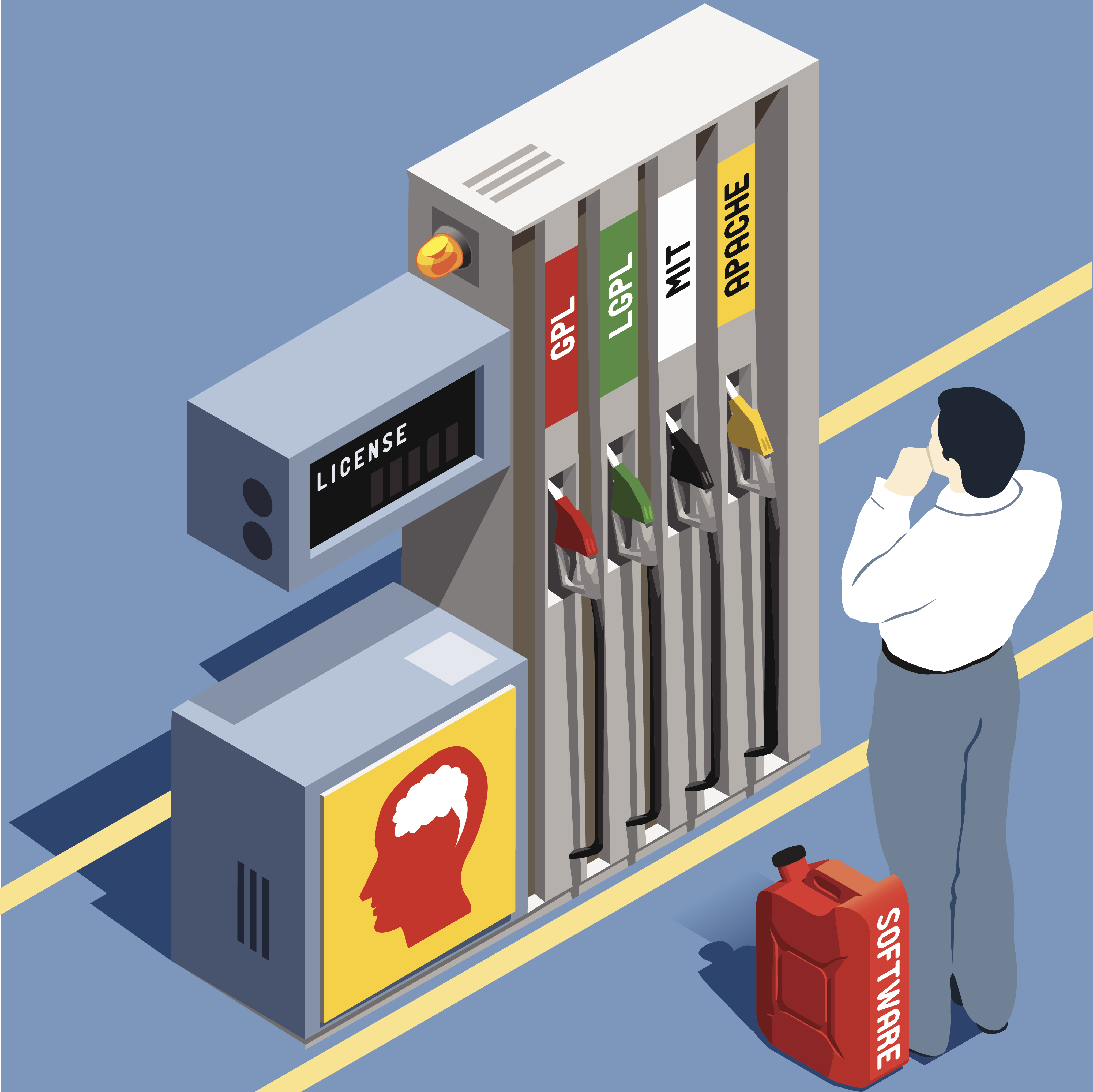
Open Source is a cost-allocation system
Because the right to use the software is not tied to payment, the license does not connect the people who benefit, the people who decide, and the people who bear the costs. Projects have to build those connections deliberately through governance.

The Rules of Open Source No Longer Apply | Built In
When free software first gained traction, the world looked very different.

Chapter 1. Introduction
Free software — open source software[3] — has become the backbone of modern information technology. It runs on your phone, on your laptop and desktop computers, and in embedded microcontrollers for household appliances, automobiles, industrial machinery and countless other devices that we too often forget even have software. Open source is especially prevalent on the servers that provide online services on the Internet. Every time you send an email, visit a web site, or call up some information on your smartphone, a significant portion of the activity is handled by open source software.
Why Open Source Misses the Point of Free Software - GNU Project - Free Software Foundation
The terms “free software” and “open source” stand for almost the same range of programs. However, they say deeply different things about those programs, based on different values. The free software movement campaigns for freedom for the users of computing; it is a movement for freedom and justice. By contrast, the open source idea values mainly practical advantage and does not campaign for principles. This is why we do not agree with open source, and do not use that term.
Degrees of Open Source
I realized that I never captured what I learned about the nature of open source projects anywhere, so here’s one attempt to rectify this omission. The way I understand the concept of “open source” …

How open-source software took over the world | TechCrunch
It was just five years ago that there was an ample dose of skepticism from investors about the viability of open source as a business model. Fast-forward to today and we’ve witnessed the growing excitement in the space.
Open source is a restaurant
[[Chad Whitacre]] makes a great analogy around when/how software gets paid for, vs food. Open Source is a restaurant. At a restaurant, you eat your meal fir...

Open Source is Not Enough
by James Halliday // The open source movement has fundamentally changed how software gets written. But in the process, corporations have been given a vast gift of free labor.
The Asymmetry of Open Source - Matt Holt
A comprehensive guide to funding open source software projects

I Don’t Want to Know What “Open Source” Means
I am he as you are he as you are me and we are all on GitHub.

Open source is 20: How it changed programming and business forever
"The reward of victory is often another set of battles."
I hate the term “open source”
It doesn’t accurately reflect how people are building today anymore.
