

An R library for managing and documenting dplyr data pipelines
Track your Data Pipelines
Track and document dplyr data pipelines. As you filter, mutate, and join your way through a data set, dtrackr seamlessly keeps track of your data flow and makes publication ready documentation of a data pipeline simple.
elbersb/tidylog
Tidylog provides feedback about dplyr and tidyr operations. It provides wrapper functions for the most common functions, such as filter, mutate, select, and group_by, and provides detailed output for joins.
Build Reproducible Analytical Pipelines with Nix
Streamlines the creation of reproducible analytical pipelines using default.nix expressions generated via the rix package for reproducibility. Define derivations in R, Python or Julia, chain them into a composition of pure functions and build the resulting pipeline using Nix as the underlying end-to-end build tool. Functions to plot the pipeline as a directed acyclic graph are included, as well as functions to load and inspect intermediary results for interactive analysis. User experience heavily inspired by the targets package.

webR: The statistical language R compiled to WebAssembly via Emscripten
The statistical language R compiled to WebAssembly via Emscripten, for use in web browsers and Node.
RStudio: A Platform‐Independent IDE for R and Sweave
Click on the article title to read more.

R for cats · and cat lovers
This is an introduction to R. I promise this will be fun. Since you have never used a programming language before, or any language for that matter, you won’t be tainted by other programming languages with different ways of doing things. This is good - we can teach you the R way of doing things.
Snakemake
With Snakemake, data analysis workflows are defined via an easy to read, adaptable, yet powerful specification language on top of Python. Steps are defined by "rules", which denote how to generate a set of output files from a set of input files (e.g. using a shell command). Wildcards (in curly braces) provide generalization. Dependencies between rules are determined automatically.
Lean Data Automation: A Principal Components Approach
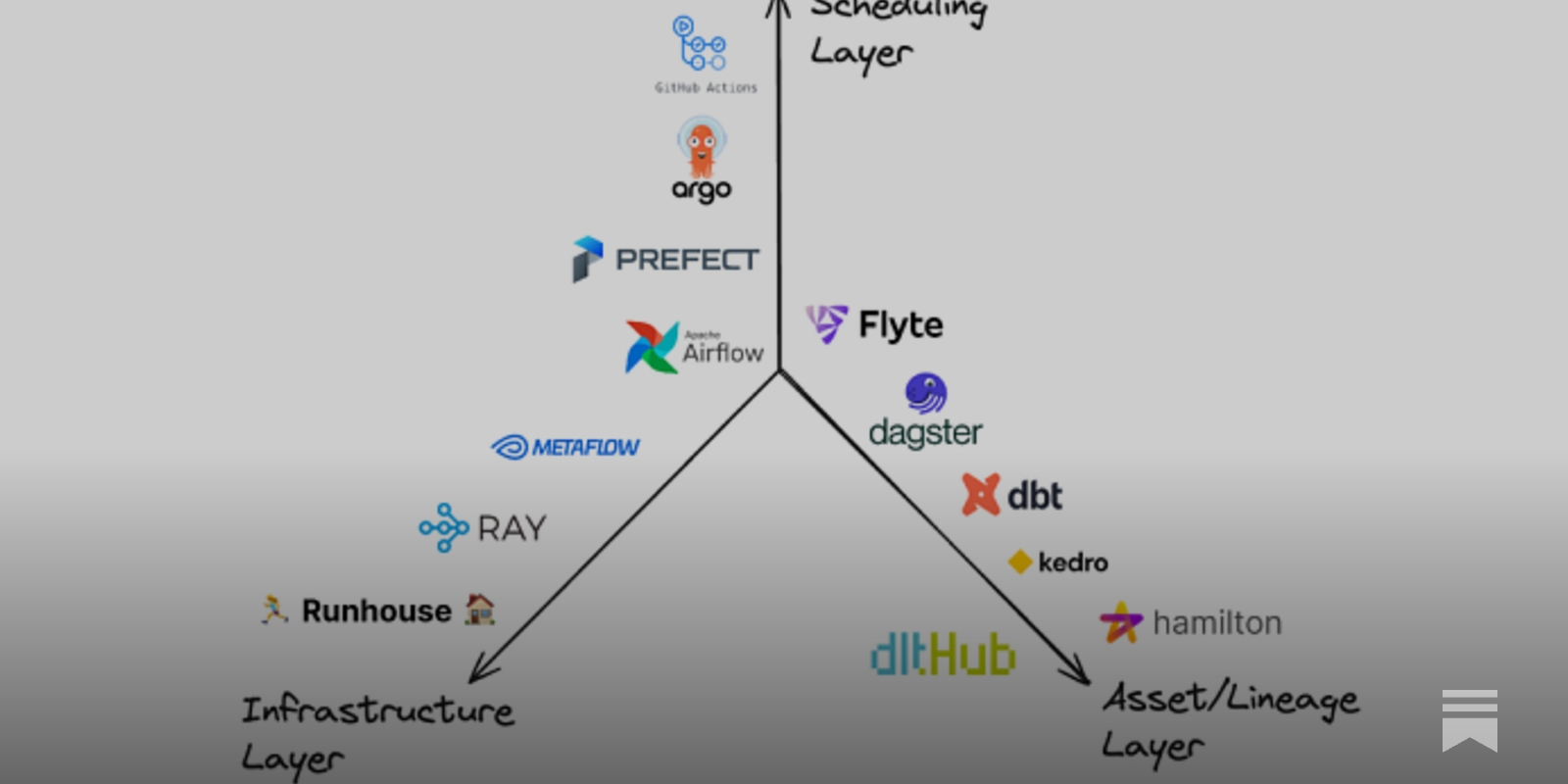
Plus: A nimble, composable example with Github Actions, Hamilton, and Runhouse
Teaching Programming for First-Year Data Science
This summary was generated using automated tools and was not authored or reviewed by the article's author(s). It is provided to support discovery, help readers assess relevance, and assist readers from adjacent research areas in understanding the work. It is intended to complement the author-supplied abstract, which remains the primary summary of the paper. The full article remains the authoritative version of record. Click here to learn more.

Dynamic Data Science
<p>Use our Common Online Data Analysis Platform (CODAP) to explore dynamic data science activities and gain fluency in data moves to examine large datasets.</p>

webrarian is a new R package. It turns a folder of R scripts and data into a static website where R runs in the visitor's browser, with no compute server and nothing to install. blog.thecoatlessprofessor.com/posts/introducing-webrarian/ #rstats #webr #webassembly
Did you know you can search for R packages by what they do, as opposed to just their names? Look! 👉🏼 rwarehouse.netlify.app @kylieainslie.bsky.social made The Warehouse for just this purpose. Send it to a new R programmer today ❤️ because it's the resource we all wish we'd had at some point #rstats

