

An "origin" as defined by web standards and implemented by the major browser engines today anchors user trust decisions in the originating website publisher information, and delivered via...
Special-Use Domain Names
This document describes what it means to say that a Domain Name (DNS name) is reserved for special use, when reserving such a name is appropriate, and the procedure for doing so. It establishes an IANA registry for such domain names, and seeds it with entries for some of the already established special domain names.

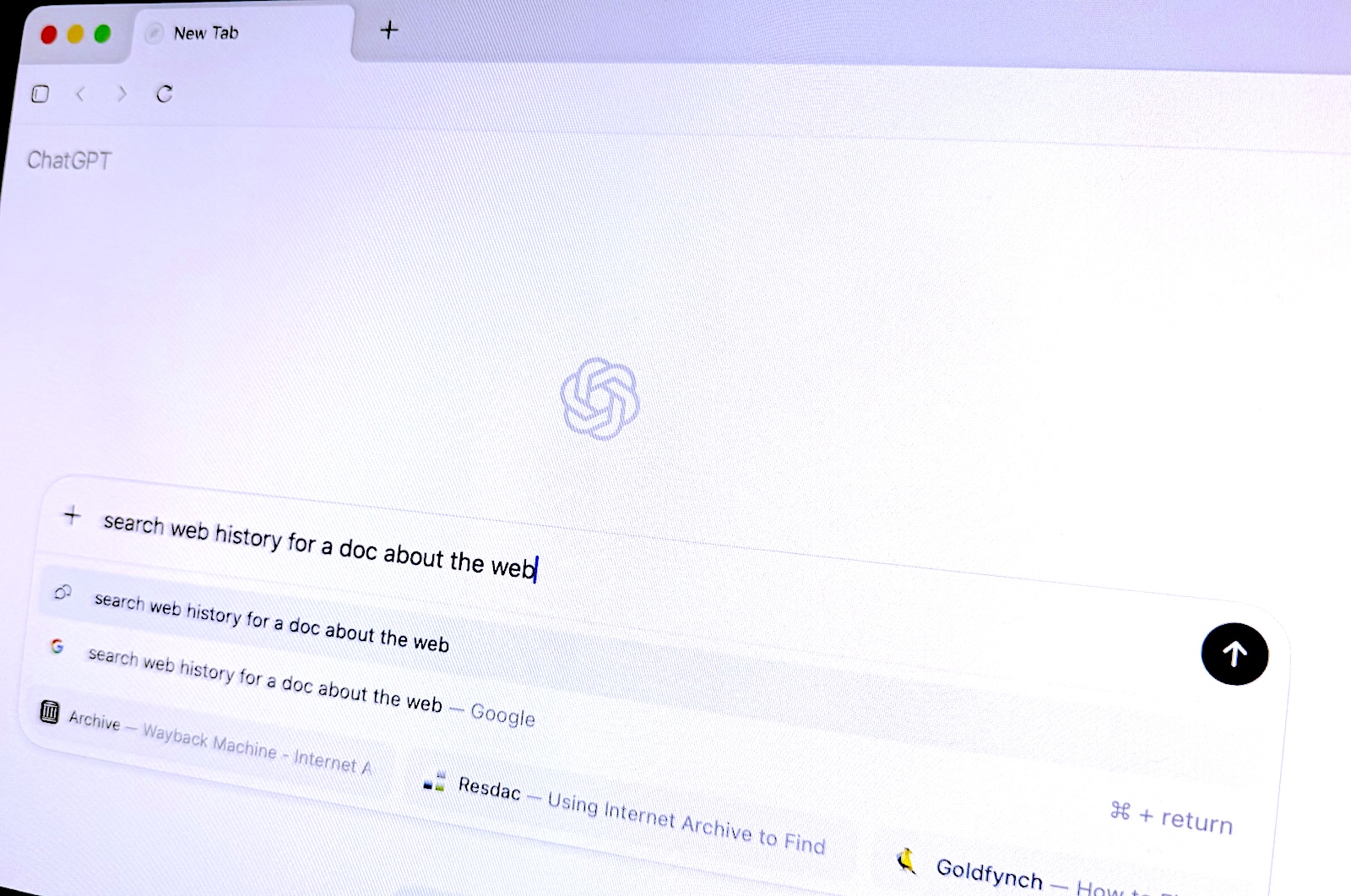
ChatGPT's Atlas: The Browser That's Anti-Web - Anil Dash
A blog about making culture. Since 1999.

Digital Sovereignty
Digital sovereignty has a bad reputation. In internet governance circles, sovereignty is considered awkward enough to be referred to by as the "s-word." It is often associated with misguided attempts at returning to the era of national champions, like building a French search engine or a European Google, or worse with the eternal boogeyman that is the "splinternet." It doesn't have to be this way!

Who Shapes Web Standards? Uncovering the Main Topics of Interest in the W3C
The purpose of DNS is to spread scams
I imagine everyone here has received an unsolicited message telling them that their tax is overdue and that they urgently need to visit Genuine-Tax-Payment-Website.fart or that a parcel is delayed at customs and you can pay a small sum for its release at Almost-The-Right-Acronym.ak You know it is a scam. Most people just mark as spam and move on with their day. But a significant number of people …
uBlock Origin - Free, open-source ad blocker extension
uBlock Origin is a free, open-source ad blocker extension and content blocker. Block ads on YouTube, Twitch, and across the web with low CPU and memory usage. Available for Firefox, Edge, Opera, and Chrome via uBlock Origin Lite.

Marque · Your name, on the open web
Domains for your next idea. Built on the AT Protocol, made for the open web.

Chris Granger - "Is Web3... anything?"
The term “web3” seems pretty fluid and is being used as a label for a bunch of disparate ideas. Given that it’s a decentralized group describing a decentralized movement, that lack of focus isn’t exactly surprising. Almost by definition it’s going to end up being different things to different people.
Isolated Web Apps · Issue #799 · mozilla/standards-positions
Request for Mozilla Position on an Emerging Web Specification Specification Title: Isolated Web Apps Specification or proposal URL (if available): Explainer URL (if available): https://github.com/W...
Federated Webrings
In the glory days of web 1.0, social websites would prominently link out to their digital neighbors via lists known as webrings; magical doorways to an expansive hinterland of digital villages.

How to Fix the Web | Brave
The Web is always in trouble for some reason or other. I remember when Microsoft came after Netscape and threatened to lock Web standards into IE. Only the Web is so big, with such reach to billions of users, that no one owns it. This means it will always be contested ground.

The Website vs. Web App Dichotomy Doesn't Exist | jakelazaroff.com
A one-dimensional spectrum can't sufficiently capture the tradeoffs involved in web development.
The same-origin paradigm has unfortunately become a local maxima of the web. I'd argue the capture of the internet's search, social spaces, and data lock-in, as well as the lack of open protocols counter this capture can be directly attributed to building on top of the same-origin paradigm.

𝕮
Thinking about atproto as an identity and data *substrate* of the web. RSS couldn't go all the way because it built within the boundaries of the same-origin paradigm, just like the closed platforms that ended up enclosing most of the web.
Standard.site

standard.site readers, blogging platforms, CMS plugins, etc.
annot.at
Inkwell — Reader & Writer for Standard.site on AT Protocol
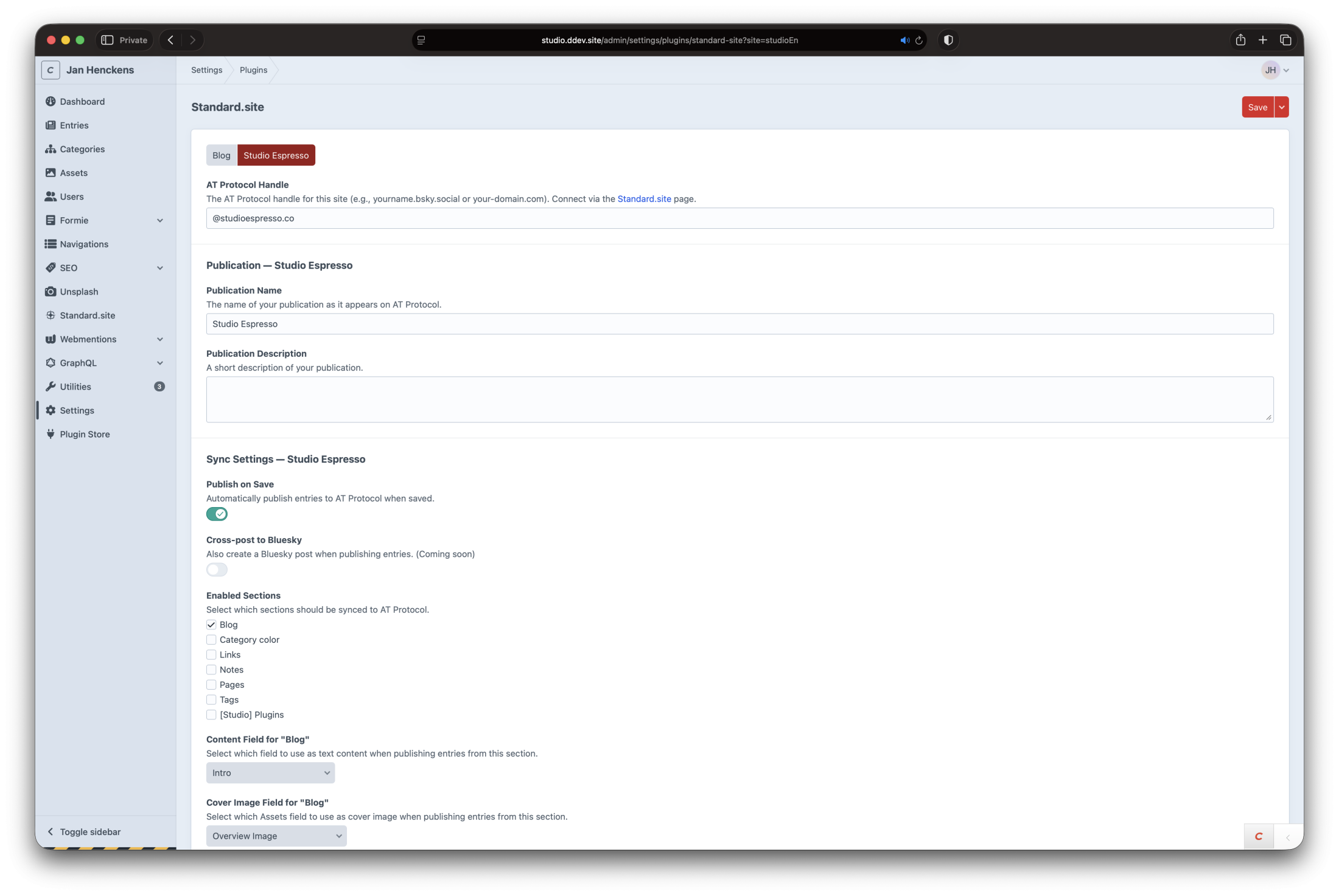
Standard.site

Wireservice
The Social Wire

ATmosphere
