

Spun off from HTML modules discussion There are certain amount of interest that including HTML snippet into an HTML document, without using JavaScript. That would be similar to <iframe>, but ...
HTML Can Do That
HTML has been gobbling up swathes of what used to be JavaScript’s remit. This page lists a bunch of dynamic functionality that we can now achieve with just HTML.

HTML Can Do That
HTML has been gobbling up swathes of what used to be JavaScript’s remit. This page lists a bunch of dynamic functionality that we can now achieve with just HTML.
Using Claude Code: The Unreasonable Effectiveness of HTML
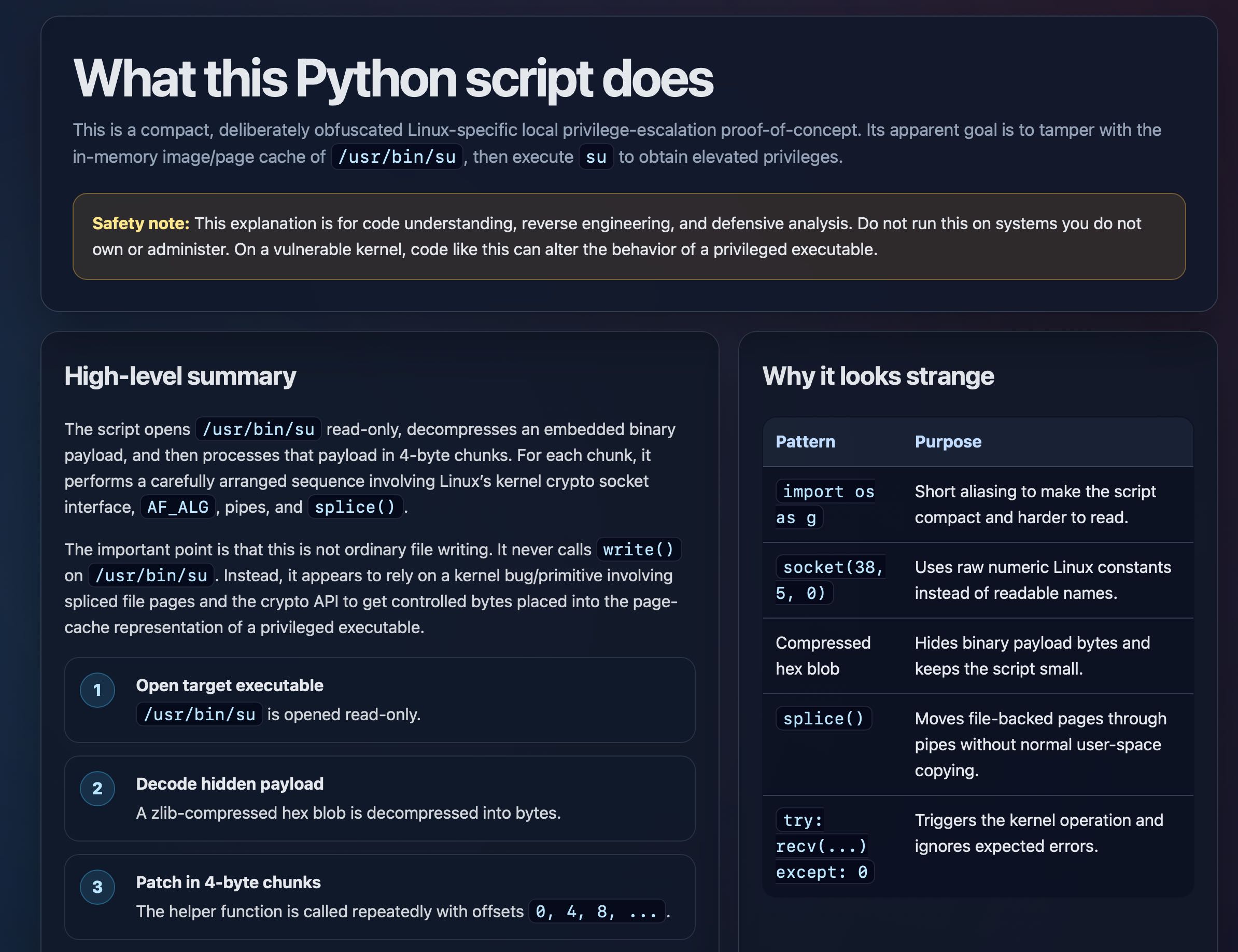
Thought-provoking piece by Thariq Shihipar (on the Claude Code team at Anthropic) advocating for HTML over Markdown as an output format to request from Claude. The article is crammed with …
Using Claude Code: The Unreasonable Effectiveness of HTML
Thought-provoking piece by Thariq Shihipar (on the Claude Code team at Anthropic) advocating for HTML over Markdown as an output format to request from Claude. The article is crammed with …

Useful patterns for building HTML tools
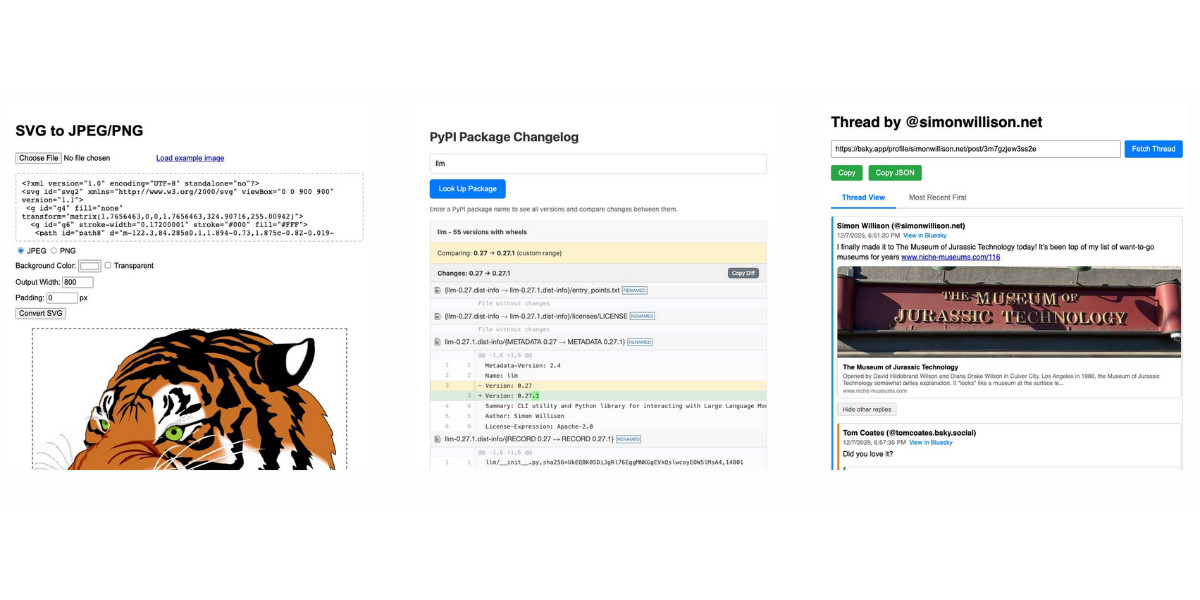
I’ve started using the term HTML tools to refer to HTML applications that I’ve been building which combine HTML, JavaScript, and CSS in a single file and use them to …
developit/htm
Hyperscript Tagged Markup: JSX alternative using standard tagged templates, with compiler support.
Issues · whatwg/html
HTML Standard. Contribute to whatwg/html development by creating an account on GitHub.
Atproto markup for HTML - byJP
A call to use trivial RDFa markup in our HTML to indicate which records produced the elements on our pages.
A Complete Introduction to Web Components
Web Components are a standard way to create reusable and modular HTML elements without using a JavaScript framework.

the html review — about
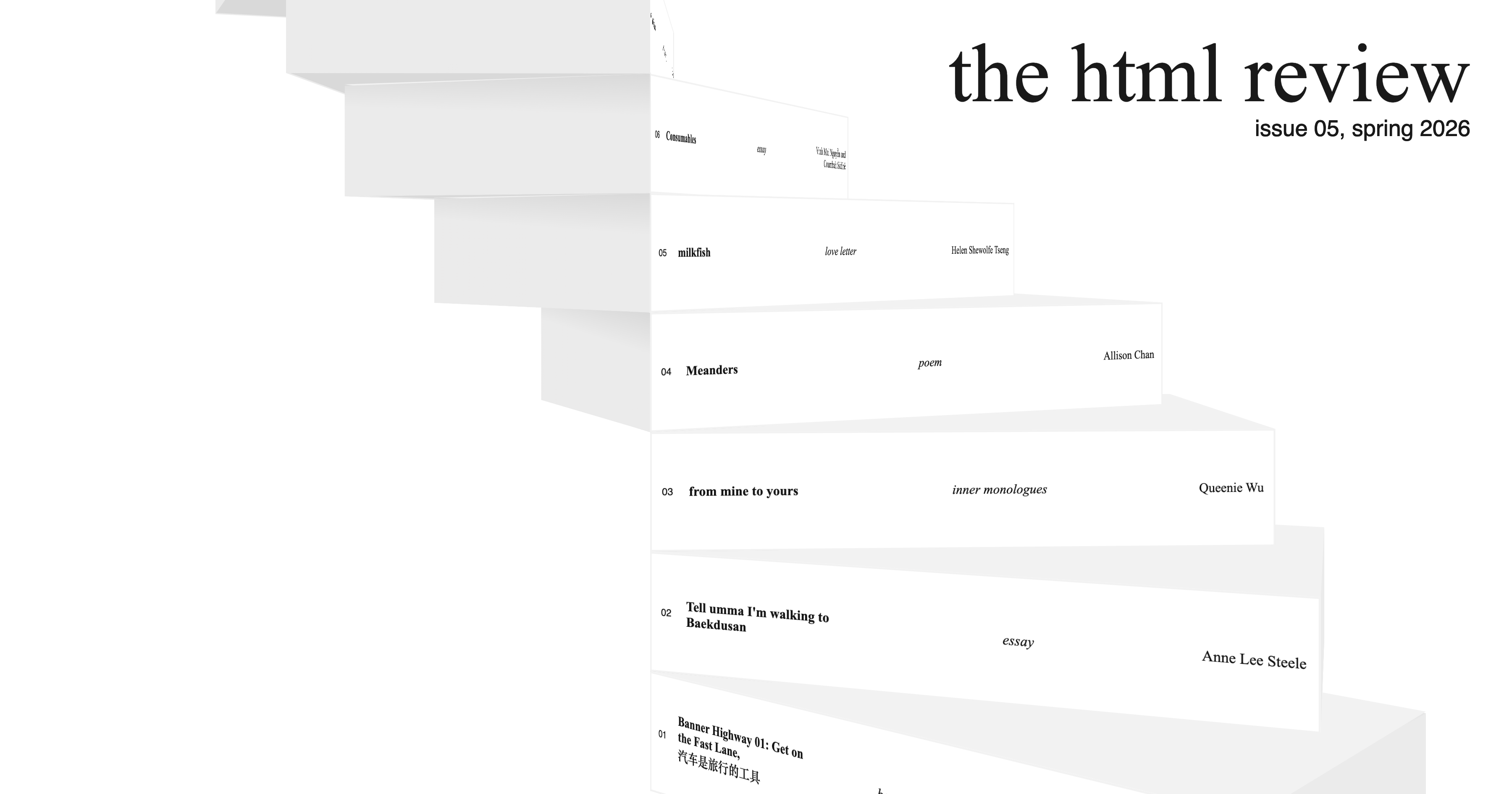
the html review is an annual journal of literature made to exist on the web
HTML papers on arXiv -- why it is important, and how we made it happen
In October 2023, arXiv made HTML formatted papers available to readers. This was the exciting outcome of over a year of accessibility research and development with the scientific community. Currently, only 2.4% of research outputs meet accessibility guidelines. Informed by scientists who rely on assistive technology, our analysis demonstrates that offering HTML is the most impactful step arXiv can take. Scientists need HTML now, and emphasize to not let perfect be the enemy of good enough. In this paper we share with you how arXiv is achieving HTML conversions from LaTeX now, and our plans for future improvements.

the html review 05
the html review is an annual journal of literature made to exist on the web