

Contribute to whistlegraph/aesthetic-computer development by creating an account on GitHub.
aesthetics
Aesthetics is relevant to many aspects of computing. Here, we are mostly concerned of the superficial visual appearances and their technological bases.
at · Aesthetic Computer
A self-hosted ATProto Personal Data Server for the Aesthetic Computer community — paintings, moods, code, tapes, papers, and more.

Creative Computing Group by @tgoerke.bsky.social — Grain
Let's start a group at CODIP to explore creative computing. Let's not start by defining creativity nor computing. It would be a trap. Let's collect artifacts instead. Images, text, thoughts,...
Digital Art Enters the Museum Age — Social Software
We explore code and systems as a medium for creating new forms of art. We consider "software" in an expanded sense, examining the ways that we are programmed by technology around us and the ways we can write software to make change in the world.
aesthetic-wallpapers/pages/Page8.md at main · D3Ext/aesthetic-wallpapers
An awesome collection of aesthetic wallpapers . Contribute to D3Ext/aesthetic-wallpapers development by creating an account on GitHub.
Studio 2am | Graphic Design Effects, Textures, Fonts, Mockups
Premium and free graphic design assets, effects, fonts, mockups, and textures for creatives. Download Photoshop effects, actions, templates and more.

Creative Computing Institute
Working at the intersection of creativity and computational technologies.

Permacomputing Aesthetics: Potential and Limits of Constraints in Computational Art, Design and Culture · Ninth Computing within Limits 2023
Permacomputing is a nascent concept and a community of practice centred around design principles that embrace limits and constraints as a positive thing in computational culture, and on creativity with scarce computational resources. As a result, permacomputing aims to provide a countervoice to digital practices that promote maximisation, hyper-consumption and waste. It seeks to encourage practices as an applied critique of contemporary computer technology that privileges maximalist aesthetics where more pixels, more frame rate, more computation and more power equals more potential at any cost and without any consequences. We believe that such a critical practice can be relevant to artists, designers and cultural practitioners working with computer and network technology who are interested in engaging with environmental issues. This is particularly relevant given the tendency in art, design and cultural production to rely on tools and techniques designed to maximise productivity and mass consumption. In this paper, we argue for the potential of permacomputing as a rich framework for exploring creative design constraints building on a long history of applying constraints in art, design and cultural practices. Because of the need to reconfigure the modes of production and organisation within computational practices, this calls for a different understanding of aesthetics, one that goes beyond the formal evaluation of how things look, but addresses how aesthetics can also be systems of relations, sensing and making sense that are already present in the process of making. We will also discuss the challenges faced by permacomputing practitioners, such as the complicated link with retro-computing, post-digital culture and nostalgia, as well as the problem of constraints in relation to the aesthetisation of poverty, and more generally what it means to work with self-imposed limits in a more privileged socioeconomic context.

On power, aesthetics, materiality and change in data visualization
Notes from the Information+ Conference at MIT/Northeastern University, Boston.
Drinking from the Firehose: Learning Computer Graphics Techniques and Programming
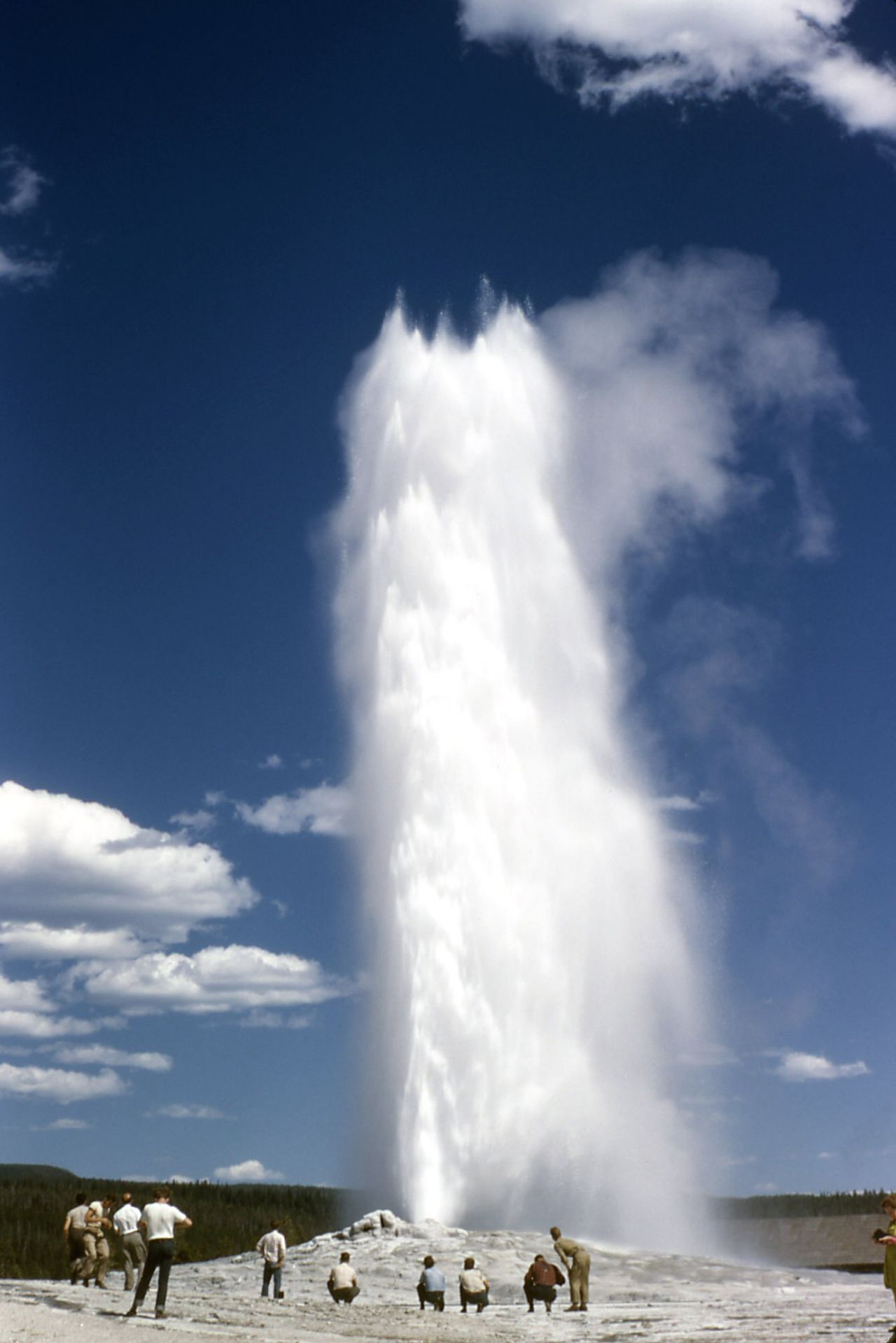
Graphics researchers waiting in the water fountain line at SIGGRAPH Yellowstone. Computer graphics as a field is broad, deep, complex, and intimidating. More than half a century of rapid progress driven by academic research and industry practices underly it. Parts delve pretty far into physics, math, signal processing, systems programming (and more). And performance is always at a premium—so simple, straightforward techniques are often not possible, and high-level programming abstractions not usable.
Designer Desktops
Modern, inspirational quote desktop wallpapers and iPhone/iPad backgrounds made by graphic designers.
Lunagraph: Design canvas that writes code, powered by Claude Code
Design and create UI using real HTML, CSS and React code. Stay consistent with zero handoff.

Resonant Computing Lab
A movement is quietly gaining momentum. For some time, the Resonant Computing Manifesto circulated among a small circle of technologists and thinkers. Within days of going public, more than 1,200 signatories—including Alan Kay, Peter Wang, Tim O'Reilly, Kevin Kelly and Esther Dyson—joined the call for software that serves human agency.
