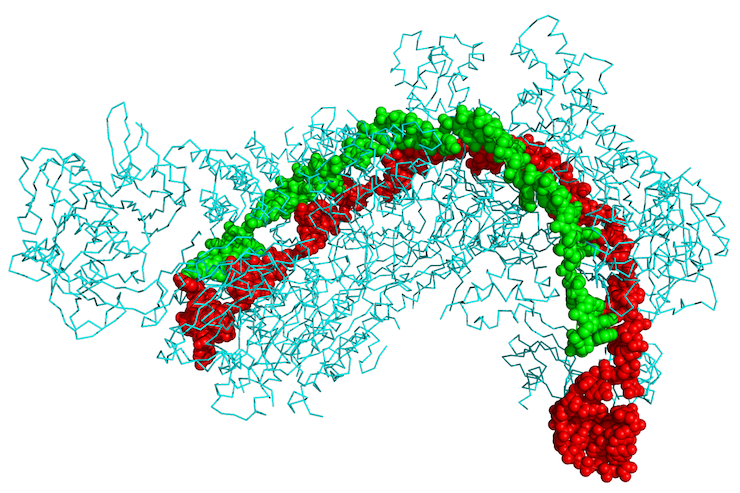
Earlier this week, over a hundred scientists, lawyers, and entrepreneurs gathered to discuss the radical possibility of creating a synthetic human genome.
It Should Be Legal To Hack Your DNA
A group of geneticists has called for a moratorium on research into modifying heritable human DNA — a practice that could lead to so-called "designer
DEF CON 25 - John Sotos - Genetic Diseases to Guide Digital Hacks of the Human Genome
Genomics Needs A Killer App | TechCrunch
Genomics has undergone a major shift in the last year. The drop in price in the past decade from $3B to $1K to sequence a genome is the 10X force likely to cause an inflection point in a number of health-related industries. But despite the price, right now genomics is a niche product in large part used in and promoted by academia.

Mail-Order CRISPR Kits Allow Absolutely Anyone to Hack DNA
Experts debate what amateur scientists could accomplish with the powerful DNA editing tool—and whether its ready availability is cause for concern

The contract between science and society, plus a possible new Renaissance
Genomics may accomplish a lot, but could it redefine humanity's view of itself?

Steve Jurvetson on investing industrial biotech at SynBioBeta SF 2013
CRISPR Now Cuts and Splices Whole Chromosomes - Slashdot
Researchers report they've adapted CRISPR and combined it with other tools to cut and splice large genome fragments with ease. The study, conducted by researchers at the Medical Research Council (MRC) Laboratory of Molecular Biology in Cambridge, U.K., has been published in this week's issue of Scie...

Sam Altman's Brain Chip Venture Is Mulling Gene Therapy Approach - Slashdot
Sam Altman's brain-chip venture is exploring the idea of genetically altering brain cells to make better implants. "The company, which has been referred to as Merge Labs, is looking at an approach involving gene therapy that would modify brain cells," reports Bloomberg. "In addition, an ultrasound d...

Just back from a truly impactful few days at Asilomar for the Brain and Mind, hosted by the brilliant team at BrainMind. The spirit of the 1975 Recombinant DNA Conference felt palpable as we gathered… | Sean White
Just back from a truly impactful few days at Asilomar for the Brain and Mind, hosted by the brilliant team at BrainMind. The spirit of the 1975 Recombinant DNA Conference felt palpable as we gathered to chart ethical standards for the accelerating field of Neurotech. While our focus was on neuroethics, from investor diligence questions and board-level risk matrices to user/stakeholder engagement and toolkits for neuroentrepreneurs, the key themes shared a powerful parallel with AI Ethics: maintain and enhance human agency, combat misuse and mistrust, and acknowledge that innovation is moving faster than its guardrails. Both fields present novel challenges that demand we adapt our existing frameworks and principles to meet new challenges. At the heart of it all is human agency. Whether we're discussing neurodevices or large language models, our core responsibility as builders, executives, investors, and policymakers is to ensure people are informed, in control, and never burdened to fight for their own empowerment or autonomy. We have the fundamental responsibility to care about the people we serve. This commitment to responsible, human-centric development is fundamental to our work at Inflection AI. We're building with emotional intelligence at the core. Every product decision we make starts with a simple question: does this expand what people can do, or does it quietly shift the burden onto them? AI should work for the humans using it, amplifying judgment, not replacing it. Earning trust through transparency rather than demanding it through dependency. A special thank you to Diana Saville for once again outdoing herself at every event and to Michael McCullough, MD for his endless support of the ecosystem. And to all the Braingels who showed up and rolled up their sleeves! Let's translate the urgency from Asilomar into action and continue to drive positive change.

Meet Biomni – an AI-powered biomedical co-scientist
In creating a comprehensive, AI-enabled research agent for the biomedical sciences, Stanford researchers hope to speed innovation by eliminating the tedium of scientific legwork.
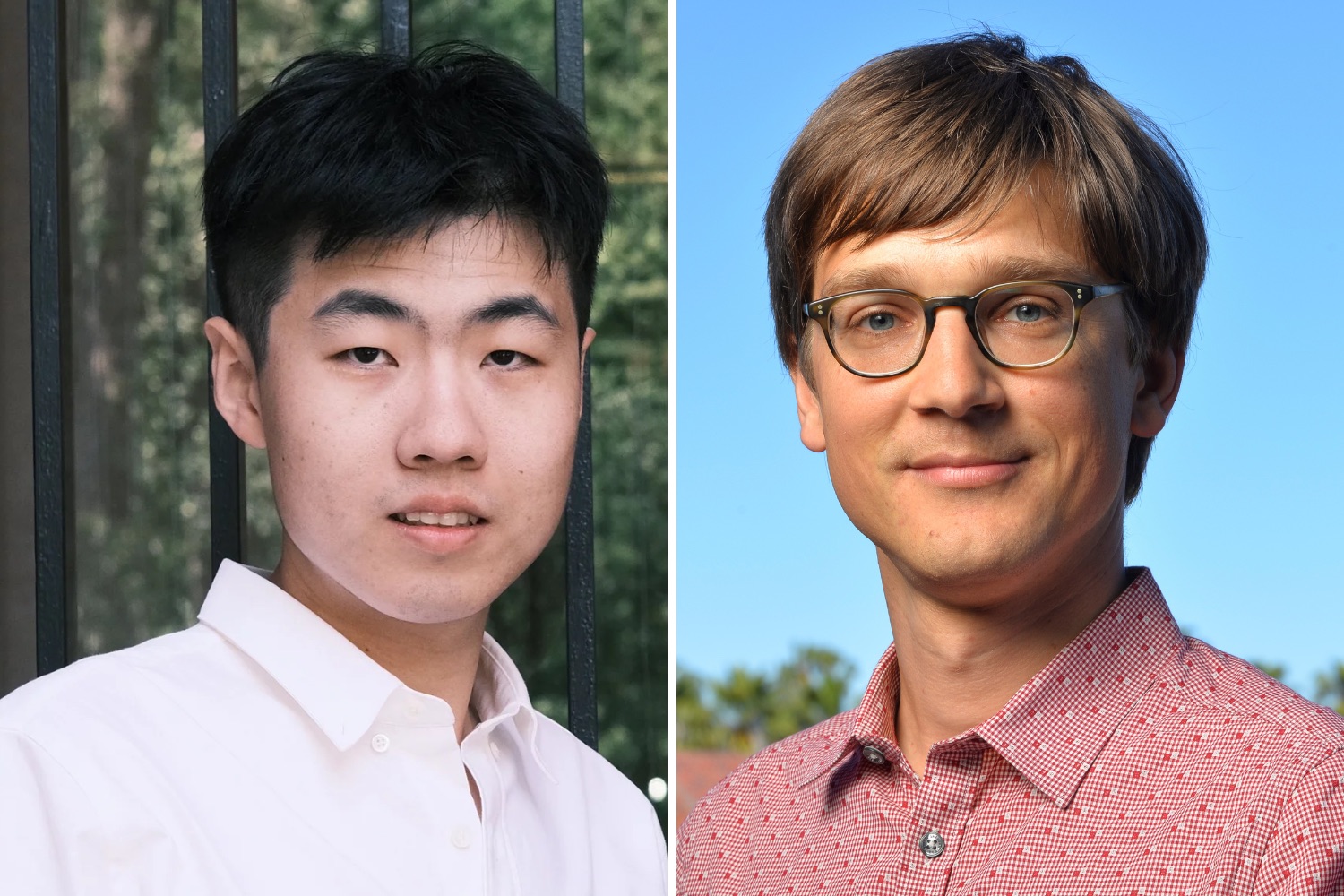
A Researcher Needed Three Hours to Identify Me From My DNA
My case highlights the threat to privacy from genetic databases.

Scientists Argue the US Ban on Human Gene Editing Will Leave It Behind - Slashdot
Alex Pearlman, reporting for Motherboard: As the biotech revolution accelerates globally, the U.S. could be getting left behind on key technological advances: namely, human genetic modification. A Congressional ban on human germline modification has "drawn new lines in the sand" on gene editing legi...
Meet Rosalind Workbench: Empowering every scientist to be their own research team | OpenAI Developers
How guided tasks, scientific viewers, and sequencing analysis help researchers follow a question from data to evidence.
The Genesis Engine
Editing DNA is now cut-and-paste. We could eliminate disease, cure hunger—or break the world.

We can ID people from DNA that shows up in environmental studies
Advances in DNA sequencing mean privacy can be violated accidentally.