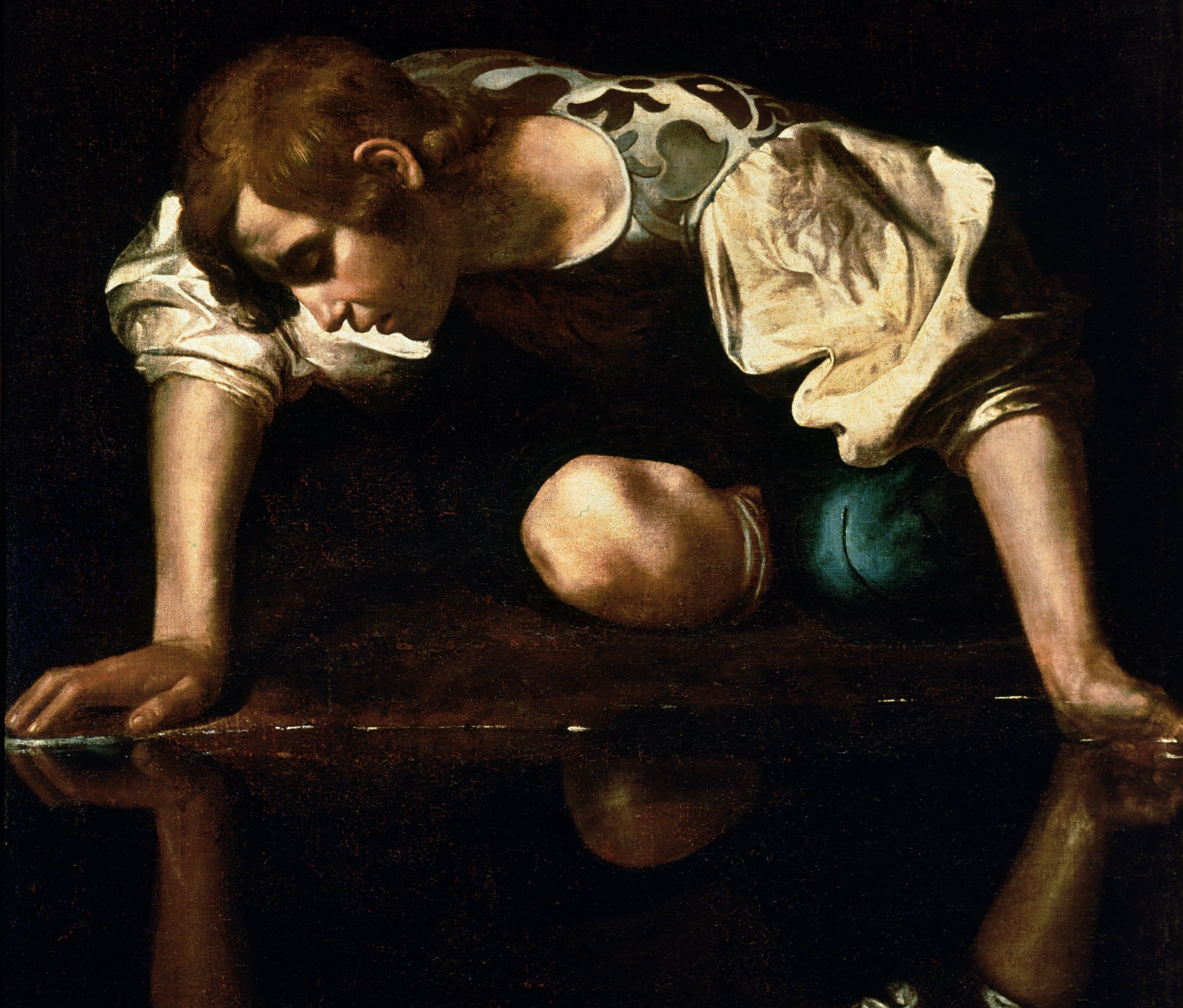
Glaze: Protecting Artists from Style Mimicry by Text-to-Image Models
Recent text-to-image diffusion models such as MidJourney and Stable Diffusion threaten to displace many in the professional artist community. In particular, models can learn to mimic the artistic style of specific artists after "fine-tuning" on samples of their art. In this paper, we describe the design, implementation and evaluation of Glaze, a tool that enables artists to apply "style cloaks" to their art before sharing online. These cloaks apply barely perceptible perturbations to images, and when used as training data, mislead generative models that try to mimic a specific artist. In coordination with the professional artist community, we deploy user studies to more than 1000 artists, assessing their views of AI art, as well as the efficacy of our tool, its usability and tolerability of perturbations, and robustness across different scenarios and against adaptive countermeasures. Both surveyed artists and empirical CLIP-based scores show that even at low perturbation levels (p=0.05), Glaze is highly successful at disrupting mimicry under normal conditions (>92%) and against adaptive countermeasures (>85%).

Find an Artist Who Doesn't Use Generative AI | Hire Human Artists
Looking for an artist for your next project? Our human artist directory is full of over 400 artists who have pledged not to use gen AI.

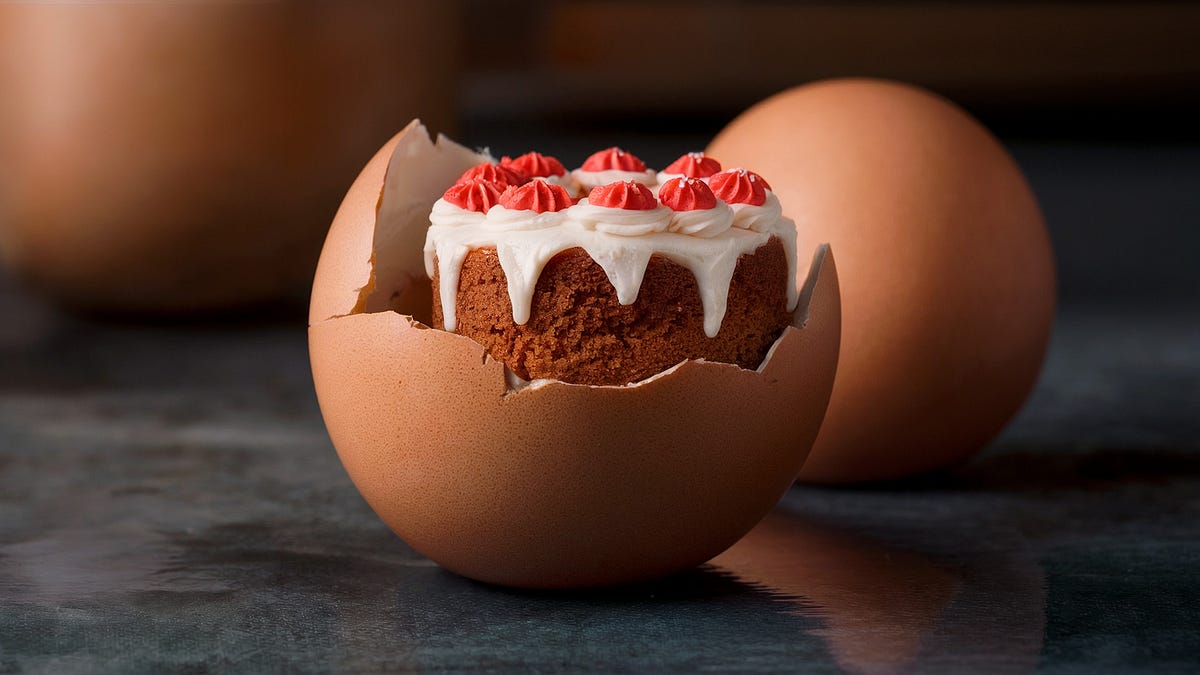
The Myth of the Instant Cake Mix
How to think about creative tooling in the new world of generative AI
Unmasking Synthetic Realities in Generative AI: A Comprehensive...
The rapid advancement of Generative Artificial Intelligence has fueled deepfake proliferation-synthetic media encompassing fully generated content and subtly edited authentic material-posing...
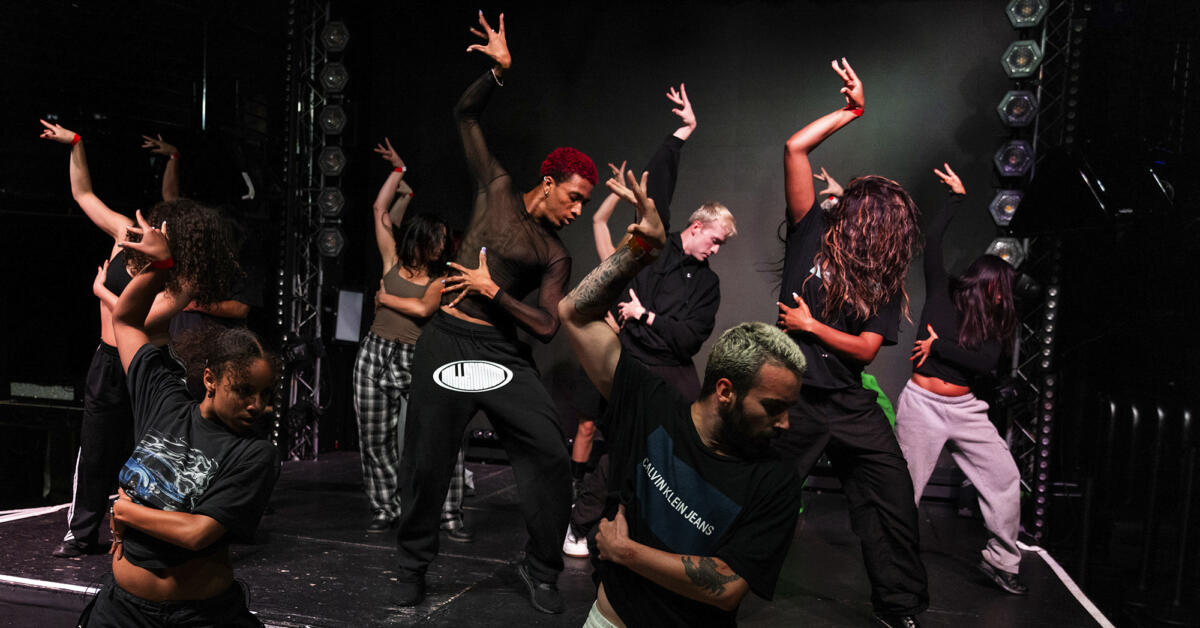
Generative AI is eating culture. See how close it’s getting to disrupting dance – The Markup
Dancers say their craft can’t be duplicated by AI. Our tests show they’re right — for now.
A defense of AI art
It's not just slop, it's not stolen, it's not bad for the environment, and we should want art to be easy to make
In spite of hype, many companies are moving cautiously when it comes to generative AI | TechCrunch
Companies are extremely interested in generative AI as vendors push potential benefits, but turning that desire from a proof of concept into a working product is proving much more challenging.

Pluralistic: Copyright won't solve creators' Generative AI problem (09 Feb 2023)
The media spectacle of generative AI (in which AI companies' breathless claims of their software's sorcerous powers are endlessly repeated) has understandably alarmed many creative workers, a group that's already traumatized by extractive abuse by media and tech companies.
ArtCraft — Controllable AI for Artists
ArtCraft is the open-source desktop app for generating AI video and images — built for artists who want real control.
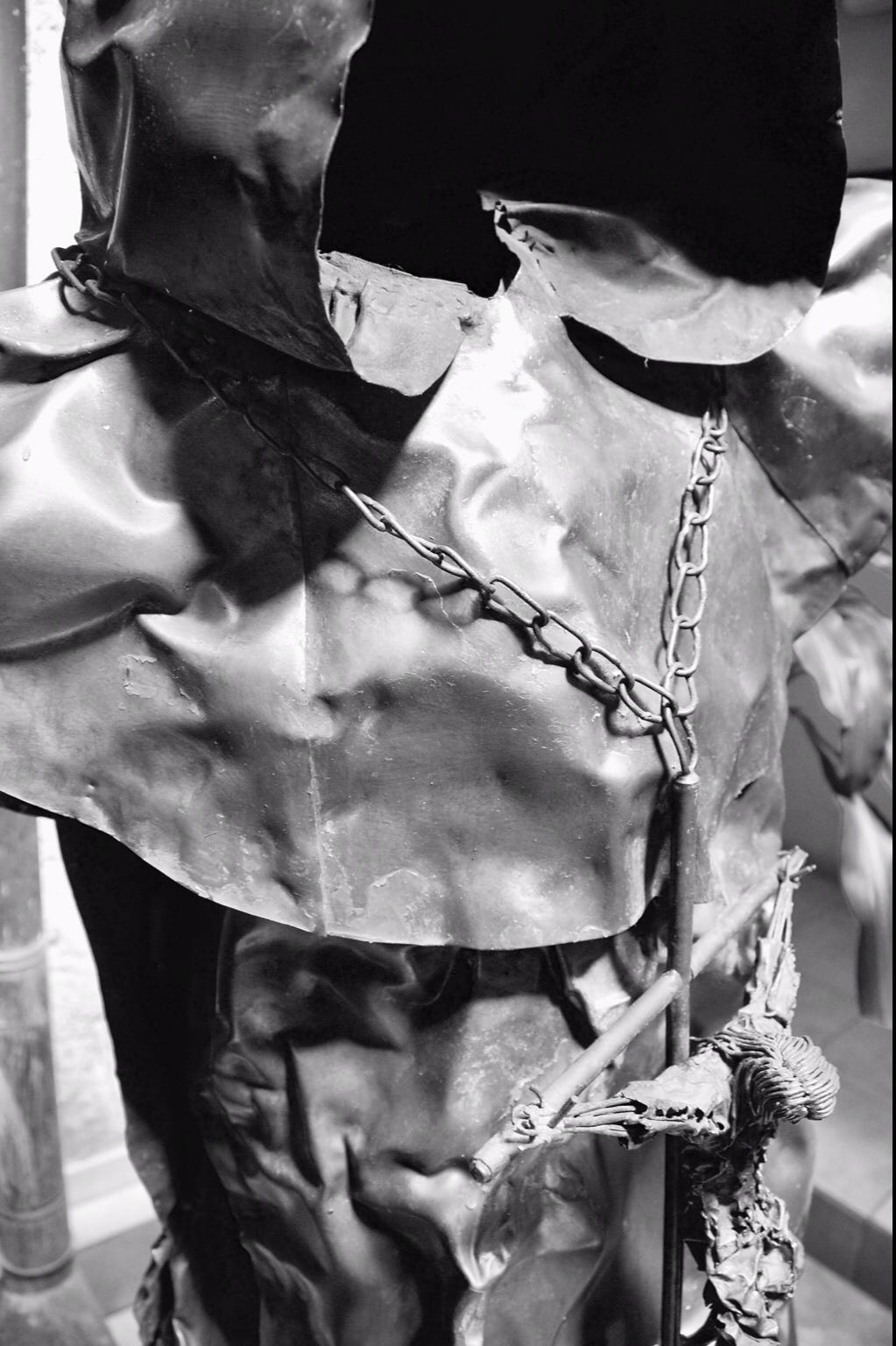
The Omg Lol Times · We have to talk about AI “art”
Note: In this post I’m going to use the term “AI” as a lazy shorthand for “generative content creation via large-scale pre-trained models” because time is tight and I’ve got arthritis. I know it’s not really “AI”, but please, let me give my typing fingers a break here.
derek guy on Twitter / X
I suspect we're approaching a time where if you want to protect creative work, it has to be something that can't be digitized. AI has made is so that creative works speed run through the lifecycle from cool to cliche in a matter of months. This contributes to our cultural… https://t.co/HJYL6Tj6t4— derek guy (@dieworkwear) September 19, 2026
Generative UI: The AI agent is the front end
In a new model for user interfaces, agents paint the screen with interactive UI components on demand. Let’s take a look.

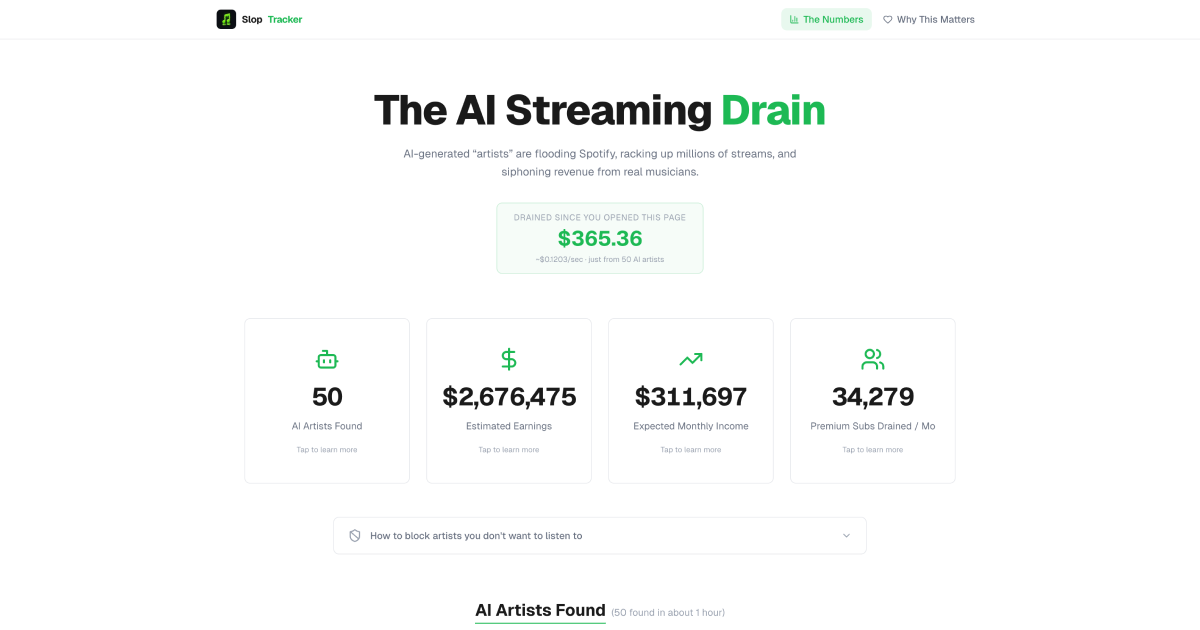
SlopTracker — Exposing AI-Generated Artists on Spotify
AI-generated artists are flooding Spotify, racking up millions of streams, and siphoning revenue from real musicians. See the receipts.
🦜🔗 LangGraph - ART
Build and train sophisticated AI agents using LangGraph with ART's reinforcement learning

AI Artists Have No Role Models
Prompt Engineers Lack Any Canon, Don't You? AI artists have an existential problem: they consume only their own work, severing the dialogue of culture that…