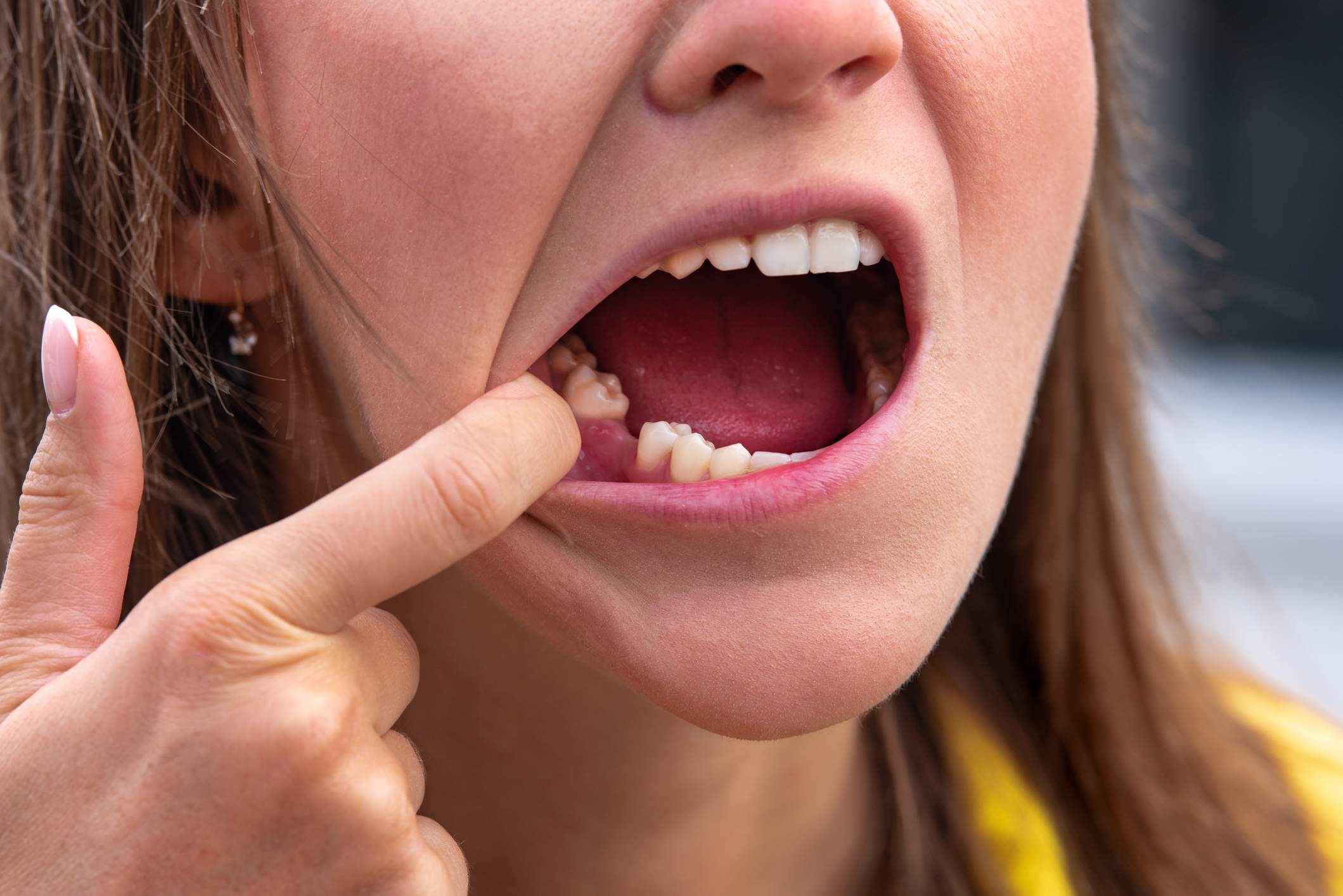
Toregem Biopharma is slated to begin clinical trials in July of next year after it succeeded growing new teeth in mice five years ago.
Exclusive: 'Jaw-dropping' breakthrough hailed as landmark in fight
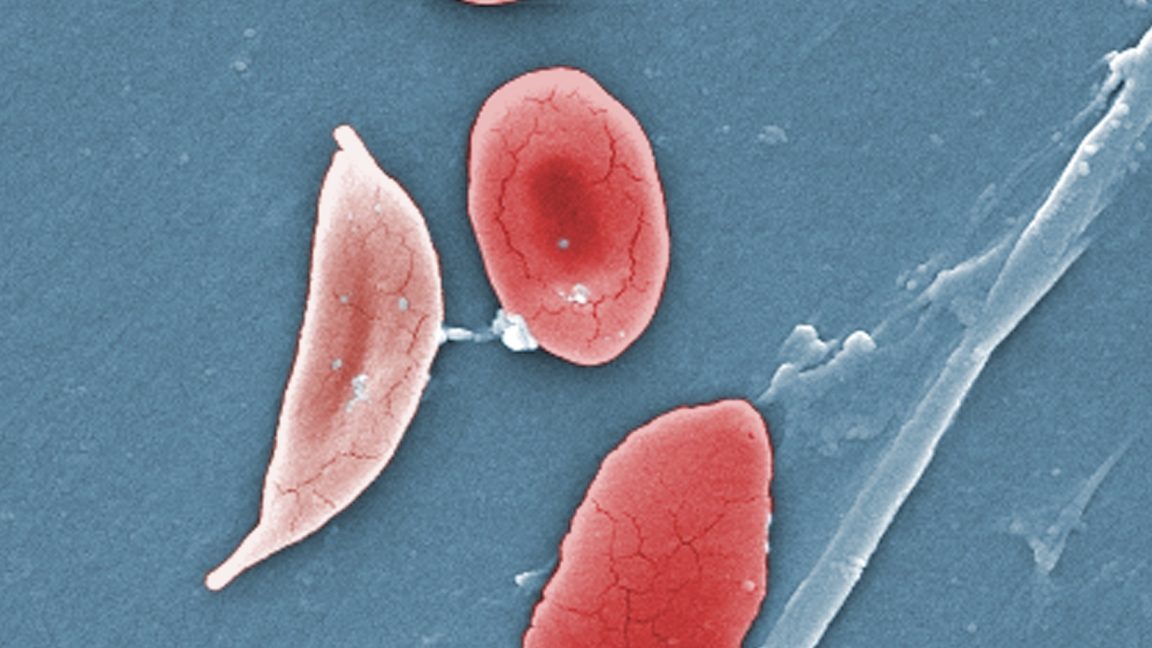
Development to revolutionise study and treatment of a range of diseases from cancer, incurable viruses such as HIV to inherited genetic disorders such as sickle-cell anaemia and Huntington’s disease
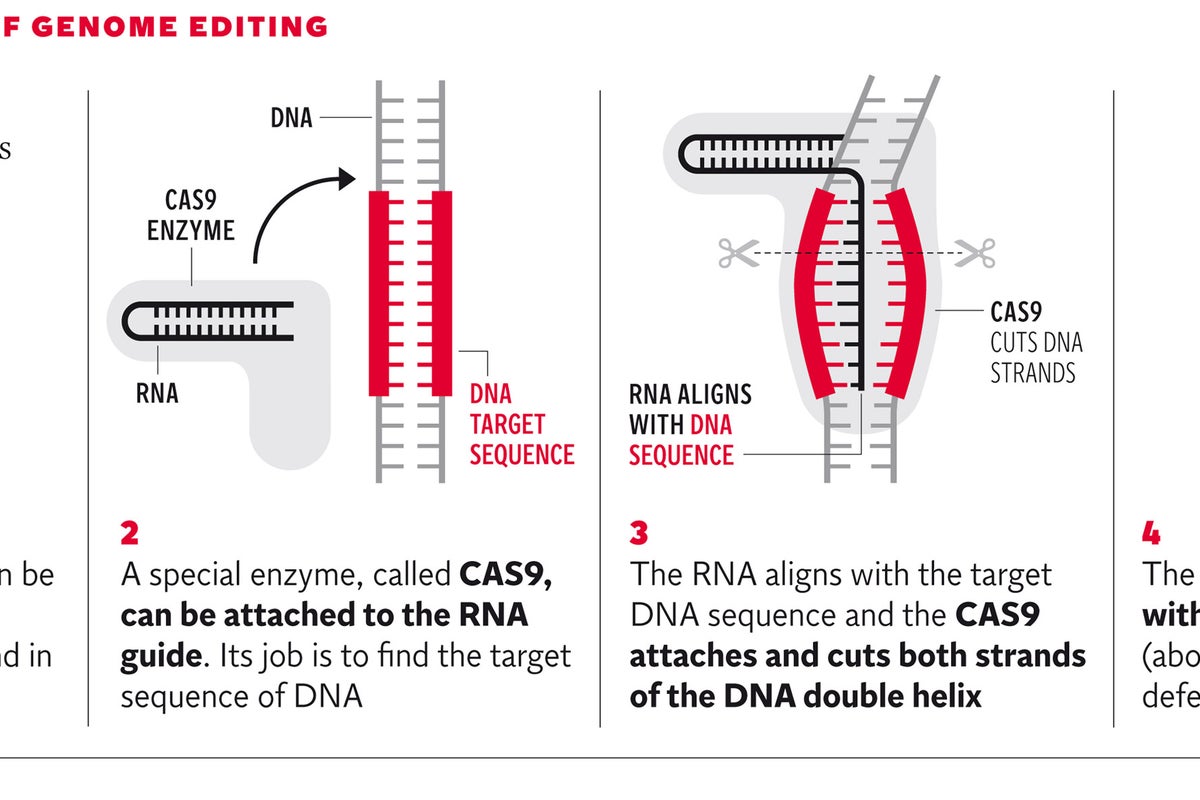
'Gene repair' could be tested on people in 2017
Human trials of Crispr editing are being proposed by Massachusetts-based start-up Editas Medicine to treat a rare form of blindness knwon as Leber congenital amaurosis.

Many surgical interventions are little better than placebo
A succession of clinical trials is upending the field

No more fillings as dentists reveal new tooth decay treatment
Scientists in London develop pain-free filling that allows teeth to repair themselves without drilling or injections
UCLA discovers first stroke rehabilitation drug to repair brain damage
A new study by UCLA Health has discovered what researchers say is the first drug to fully reproduce the effects of physical stroke rehabilitation in model mice.
Psilocybin for major depression granted Breakthrough Therapy by FDA
The US Food and Drug Administration (FDA) has granted psilocybin therapy a Breakthrough Therapy designation for the second time in a year, this time with a view on accelerating trials testing its efficacy treating major depressive disorder (MDD).

Cutting-edge medical procedures and novel prescriptions for health - The Boston Globe
New drugs and cancer treatments aren’t the only medical breakthroughs. Surgeons are using 3-D printers, dentists are using lasers, and Boston Medical Center is prescribing bikes.

An LLM Analysis of Reporting Quality of Randomized Clinical Trial Articles
This study uses a zero-shot large-language model to automatically assess compliance with the Consolidated Standards of Reporting Trials guideline for English-language randomized clinical trials published from 1966 to 2024.

Potential New Cure Found For Baldness - Slashdot
A potential new cure for baldness has been discovered using a drug originally intended to treat osteoporosis. BBC reports: Researchers found the drug had a dramatic effect on hair follicles in the lab, stimulating them to grow. It contains a compound which targets a protein that acts as a brake on h...

Home | Drug Science
Drug Science works to provide an evidence base free from political or commercial influence, creating the foundation for sensible and effective drug laws, and equipping the public, media and policy makers with the knowledge and resources to enact positive change.
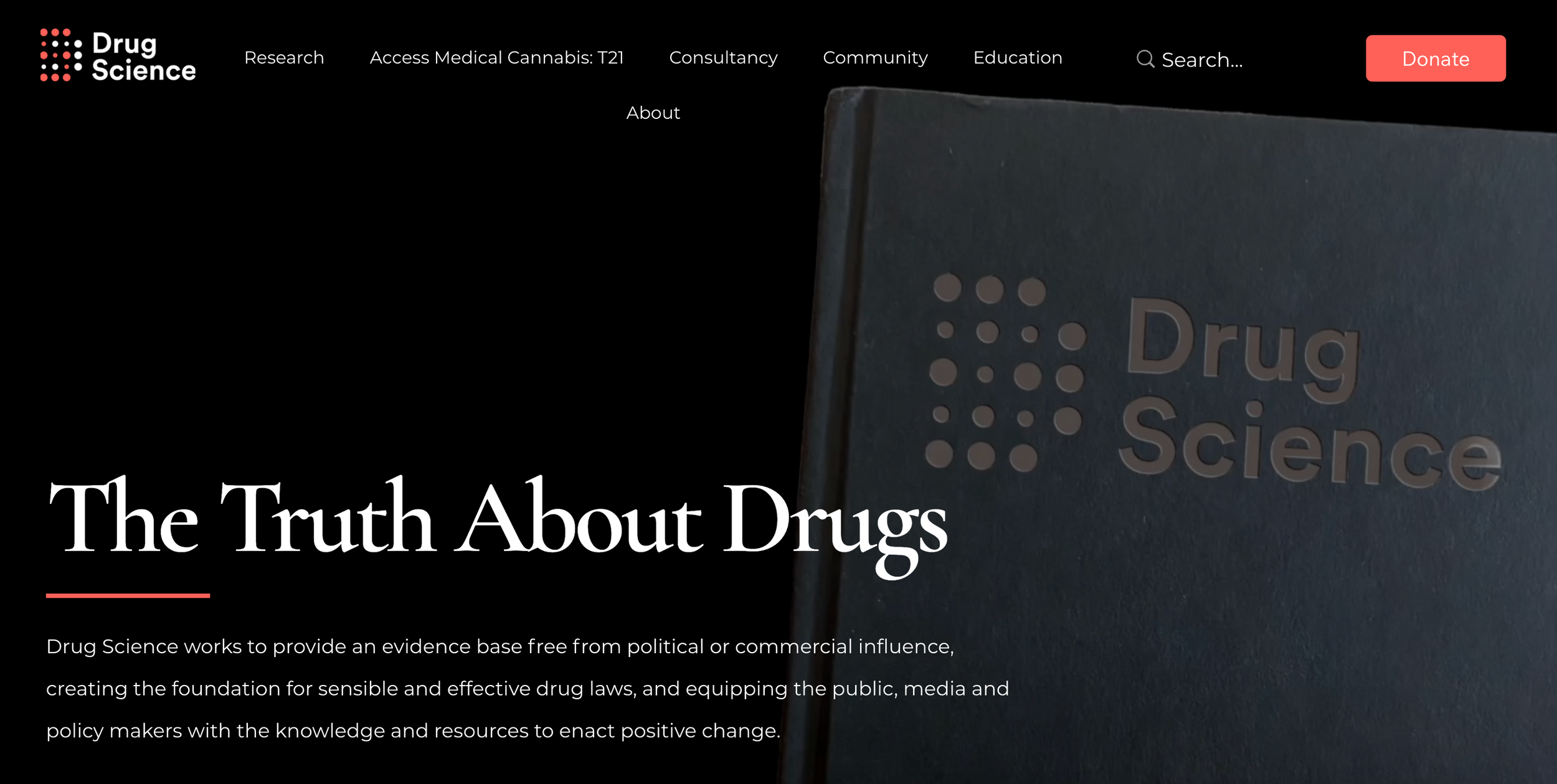
Treatments For Long Covid Draw on Decades-Long HIV Research
Hi, it’s Jason in Melbourne. Despite over $1 billion in research, proven treatments for long Covid remain frustratingly elusive. Now, scientists are hoping drugs for another viral infection offer benefit. Before I explain...
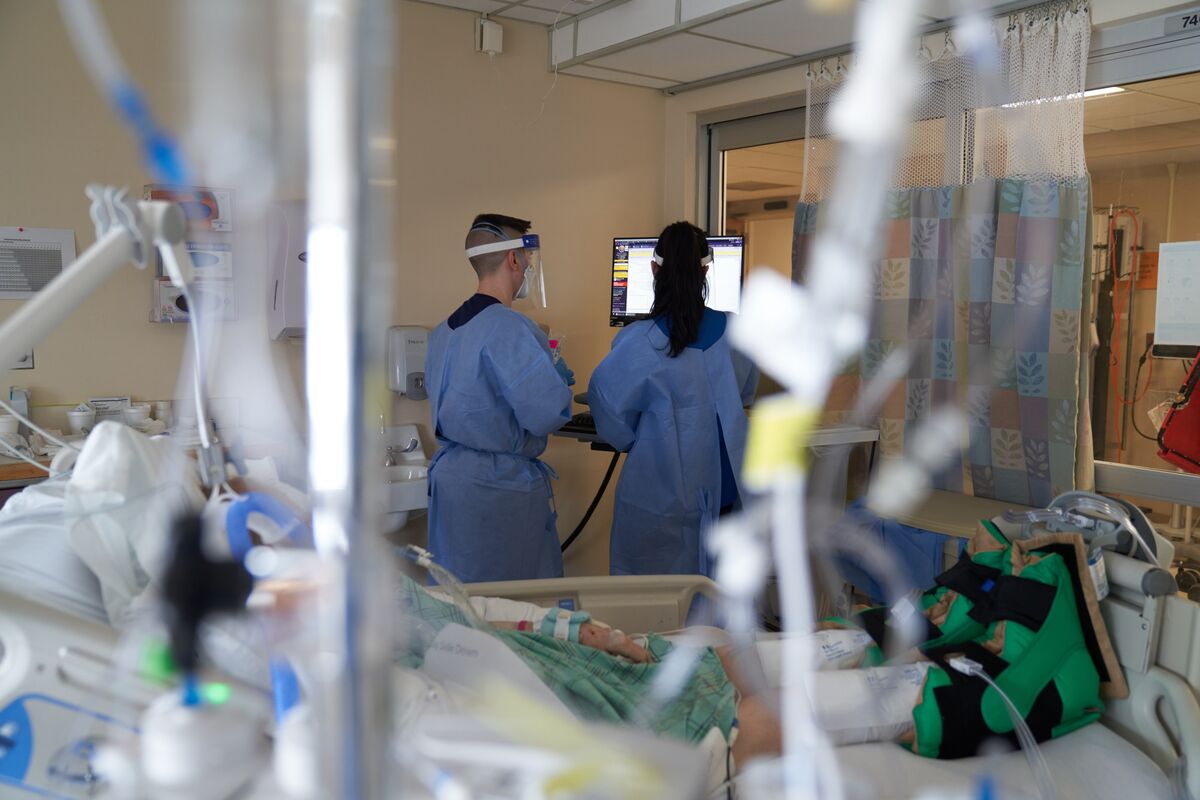
Gene therapy has made some recent progress—is it enough?
Despite a bumpy history, through work and trust, gene therapy may have a future.
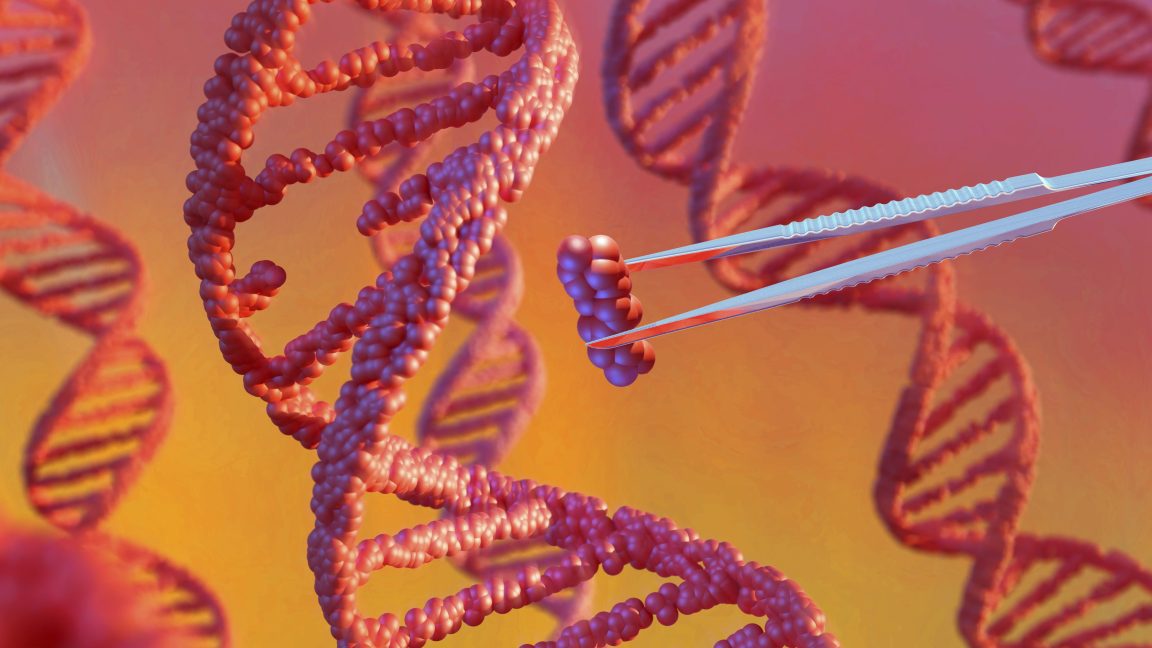
Ten‐Year Simulation of the Effects of Denosumab on Bone Remodeling in Human Biopsies
ABSTRACT Postmenopausal osteoporosis is a disease manifesting in degradation of bone mass and microarchitecture, leading to weakening and increased risk of fracture. Clinical trials are an essential tool for evaluating new treatments and may provide further mechanistic understanding of their effects in vivo. However, the histomorphometry from clinical trials is limited to 2D images and reflects single time points. Biochemical markers of bone turnover give global insight into a drug's action, but not the local dynamics of the bone remodeling process and the cells involved. Additionally, comparative trials necessitate separate treatment groups, meaning only aggregated measures can be compared. In this study, in silico modeling based on histomorphometry and pharmacokinetic data was used to assess the effects of treatment versus control on μCT scans of the same biopsy samples over time, matching the changes in bone volume fraction observed in biopsies from denosumab and placebo groups through year 10 of the FREEDOM Extension trial. In the simulation, treatment decreased osteoclast number, which led to a modest increase in trabecular thickness and osteocyte stress shielding. Long‐term bone turnover suppression led to increased RANKL production, followed by a small increase in osteoclast number at the end of the 6‐month–dosing interval, especially at the end of the Extension study. Lack of treatment led to a significant loss of bone mass and structure. The study's results show how in silico models can generate predictions of denosumab cellular action over a 10‐year period, matching static and dynamic morphometric measures assessed in clinical biopsies. The use of in silico models with clinical trial data can be a method to gain further insight into fundamental bone biology and how treatments can perturb this. With rigorous validation, such models could be used for informing the design of clinical trials, such that the number of participants could be reduced to a minimum to show efficacy. © 2021 The Authors. JBMR Plus published by Wiley Periodicals LLC on behalf of American Society for Bone and Mineral Research.
UK becomes first country to approve Crispr gene-editing therapy
Sickle cell disease and beta thalassemia are covered by the approval.
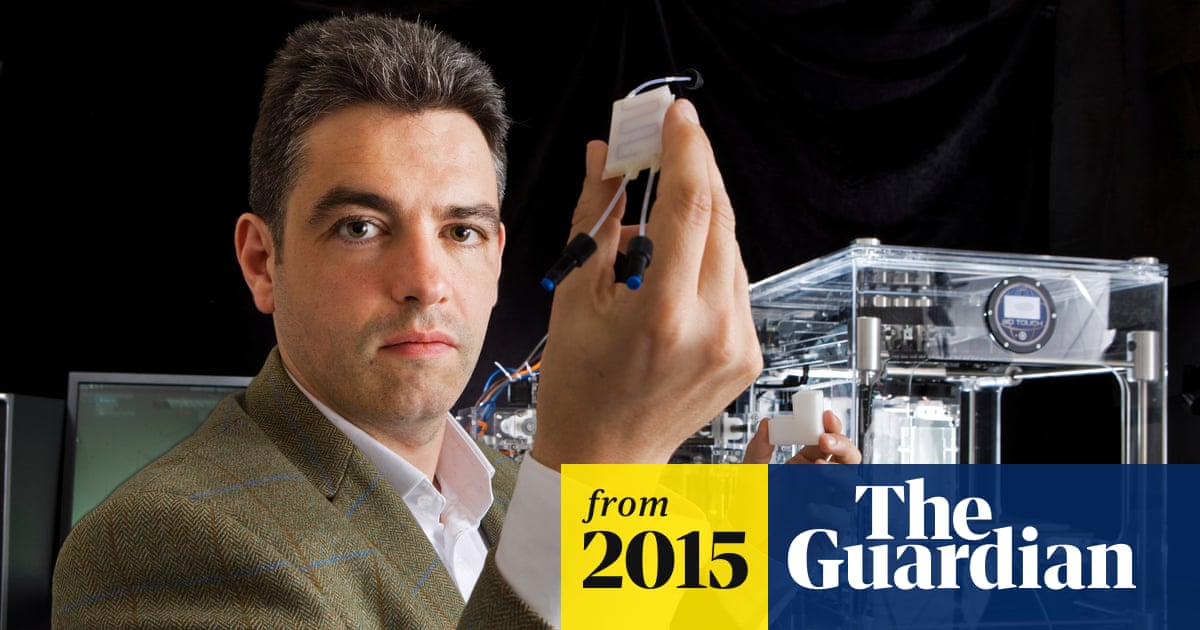
Welcome to the complex world of 3D-printed drugs
The FDA’s approval of a 3D-printed drug opens up a new world of customised medication, but also the possibility of counterfeit drugs, mislabelling and a regulatory vacuum
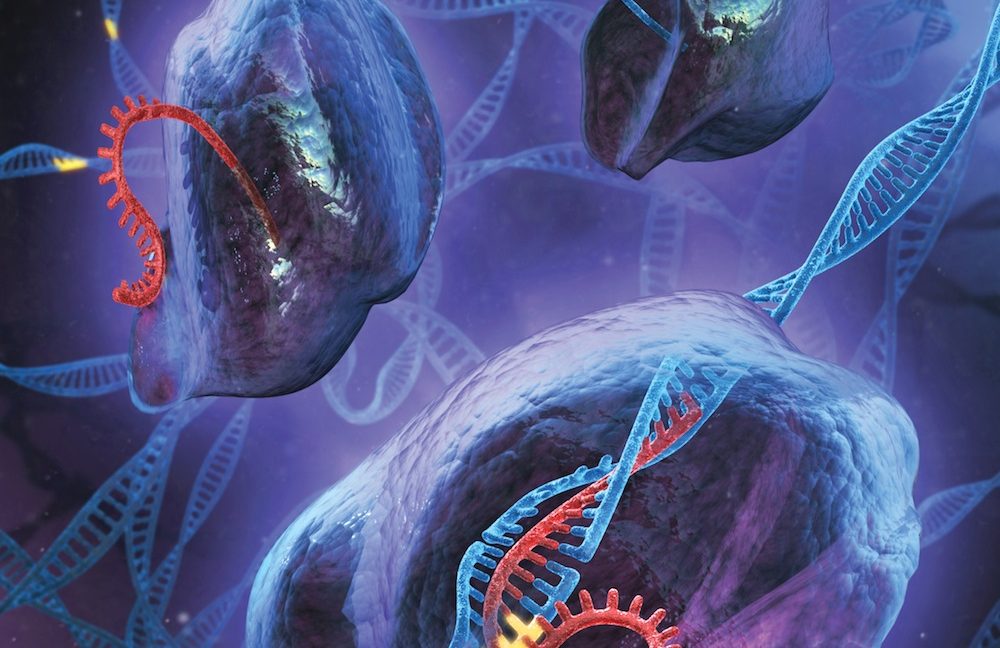
FDA approves first CRISPR therapy—here’s how it works against sickle cell
The landmark treatment turns on another blood protein that prevents sickling.