


In response to a thoughtful reply from John Carmack, I share some thoughts on why we all need to stop working so damn hard.
It’s Time to Embrace Slow Productivity
We need fewer things to work on. Starting now.

Notion encourages busy-work and I’m tired of it
Why has everything become so needlessly complicated?

How to be more productive without forcing yourself
Imagine you could work more and be wildly productive. And you wouldn’t need to force yourself to work.
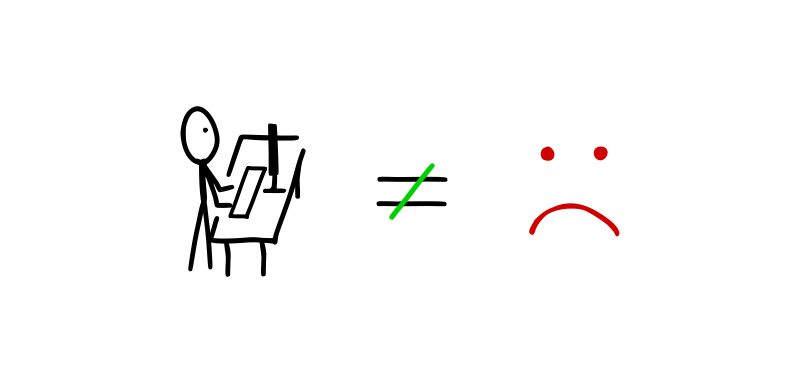
If you don’t finish then you’re just busy, not productive – Jack Simpson
One of the biggest realisations I’ve come to as part of my PhD, is how little people care about how I spend my time, they only care about what I am able to deliver. Yet in order to deliver, you need to finish. I was recently reading an article on this topic, and I think the advice can be best summed up as:

Quiet hiring and the endless quest to coin terms about work
From quiet quitting to the Great Resignation, why we won’t stop making up words about work.

Work is a cult, here's how to escape
Moral Ambition: Stop Wasting Your Talent and Start Making a Difference
THE INSTANT SUNDAY TIMES BESTSELLER - FROM THE 2025 BBC REITH LECTURER A GUARDIAN BOOK OF THE SUMMER 2025 'Gives us hope, humour and guidance at a time when all are in short supply' TIMOTHY SNYDER 'The rare read that might actually help you become a better person' ADAM GRANT THE ANTIDOTE TO APATHY FROM THE INTERNATIONALLY BESTSELLING AUTHOR RUTGER BREGMAN Every day we're bombarded with methods, mantras and life hacks that promise us wellness and prosperity - while time and talent remain some of our most squandered resources. The average full-time worker will spend 80,000 hours at their job: are you making the most of them? Do you truly believe in what you do, day in, day out? What if you want to do something more with your limited time on the planet? Internationally bestselling author Rutger Bregman shows us that with moral ambition - the will to make the world a wildly better place - we can be both idealistic and successful, and change the world along the way. Uncovering the qualities that made the great change-makers of history so effective, he shows how we too can lend our talents to the biggest challenges of our time, from climate change to inequality to the next pandemic. With moral ambition, we can do more than be on the right side of history: we can make history itself. This book won't make your life easier, but it should make it more meaningful. The question is: what will you do with it? As the 2025 BBC Reith Lecturer, Rutger Bregman will present 'Moral Revolution', a four part series: -A Time of Monsters -How To Start a Moral Revolution -A Realist's Utopia -Zoom Out Available to listen on BBC Four
Why time management is ruining our lives | Oliver Burkeman
The Long Read: All of our efforts to be more productive backfire – and only make us feel even busier and more stressed
How to Stay Productive When You Hate Your Job
Strategies for making it through the day when you’re bored, miserable, and still have work to do

The 80-Hour Myth (Why We're Addicted To Being Busy) - Dan Koe
Ever since I could remember, I didn’t want to work my life away. Anti role models were all around me. And I was pretty observant as a child. I didn’t want to wake up at 4am, drive to work at 5am, grind away, and get home at 7pm because I was trying to support a […]

How Millennials Became The Burnout Generation
I couldn’t figure out why small, straightforward tasks on my to-do list felt so impossible. The answer is both more complex and far simpler than I expected.

‘Are We Participating in a Thing That Is Not Even Working?’
Chris Gethard on the end of the middle-class comedy job.

The solution to (nearly) everything: working less | Rutger Bregman
Excessive work and pressure are status symbols. But overtime is deadly. If we worked less we’d make fewer errors, address inequality and have a better life
In 2026, I’m no longer interested in ‘working on myself’
We think of ourselves as full-time projects, but what if doing so much inner work does more harm than good?
