


You and me, we’re bad at a lot of things. But email isn’t one of those things, no matter how much it seems like it.
Email is the new black
Many have heard the refrain, “Email is dead.” But we’re here to tell you email is here to stay. Email gets things done. When it comes to better communication, email really is the new black.

Email isn’t decentralized, and that’s fine
Email is open, but deliverability depends on a few big inbox providers. Why we traded some of email's decentralization to fight spam, and why that's fine.
Email: The Variable Reinforcement Machine
How often do you check your email per day? Does checking your email make you more productive or less productive? Oh, sure, we delude ourselves into thinking we’re being extra-productive by obsessively checking and responding to our email, but in reality we’re attending too frequently to our
Slack didn’t kill email — and it might have made it stronger
Front’s Mathilde Collin on why email is making a comeback

Case Study: Email Startups
Comprehensive analysis of email startup failures. Why most email companies fail, burn millions in VC funding, and shut down. Learn what actually works.
Mailing-List 2.0: Discourse
You got a few people working on something and you seek for an efficient way to communicate (ideas, news, messages, etc.) online. This guide gives you an overview about what you could expect in the past and what you should ask for nowadays. Mails According to Wikipedia, the first mail was sent in 1971. The access to a network we call Internet today was quite limited in these early days. Users have been mostly universities, and I guess, not everyone, but mostly the STEM disciplines Science, Technology, Engineering, and Mathematics. So it comes at no surprise that mails are perceived as inconvenient and antiquated.
Oh God, It's Raining Newsletters
On the rise of newsletter production, consumption, and monetization, and how email is one of the most powerful and resilient publishing platforms.
Phantom Obligation
Why RSS readers look like email clients, and what that's doing to us.
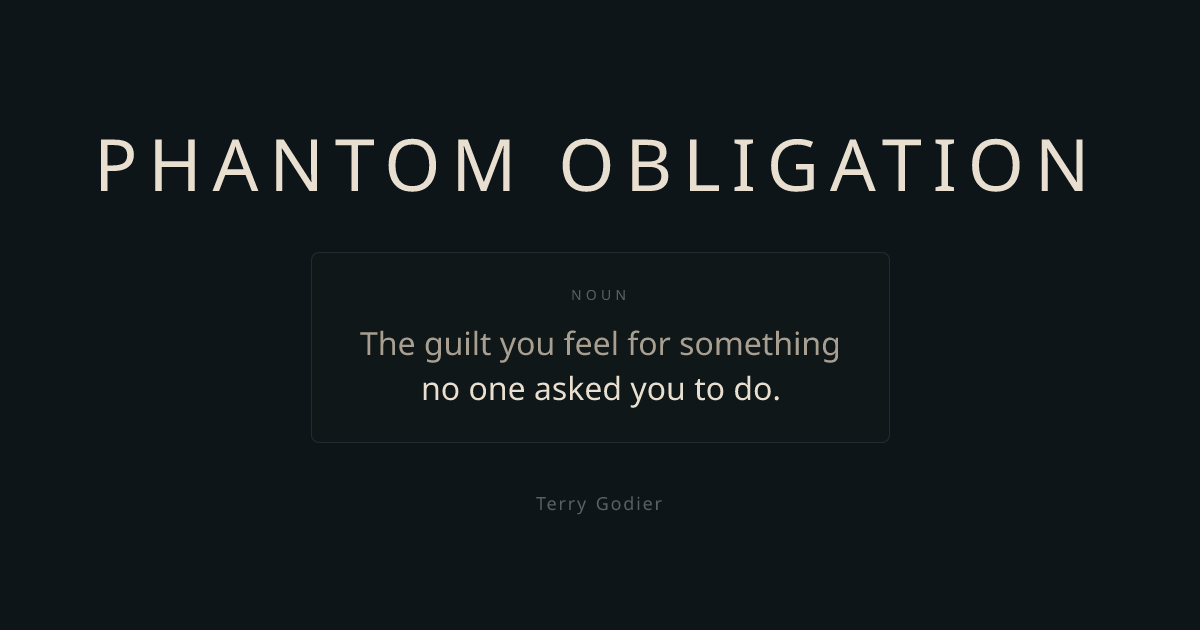
Phantom Obligation
Why RSS readers look like email clients, and what that's doing to us.
Email and calendar made better
Fast, private email hosting for you or your business. More productive, lightning fast, simple and built to save you time.
Email and calendar made better
Fast, private email hosting for you or your business. More productive, lightning fast, simple and built to save you time.
Why kernel development still uses email
In a world full of fancy development tools and sites, the kernel project's dependence on email [...]
Email explained from first principles
Modern email is a patchwork of protocols and extensions. Here is one article to understand them all.
Use plain text email
There are two main types of emails on the internet: plain text and HTML. Many people, particularly in technical communities, strongly prefer or even require the use of plain text email from participants. However, your mail client may not have it set up by default. We'll help you get it configured, and introduce you to the norms and conventions of plain text email.
Clarifying: I feel like we just invented email addresses. And they’re tricky, I get it. But I’m pushing back on “wtf is the @ symbol even, nobody knows what ‘inbox’ or ‘smtp’ is, stop making it hard for normies” Instead of making atproto invisible, what if we made it worth the learning curve?

Eli Mallon
If your goal is to make atproto accessible to non-technical users I implore you to stop calling them “normies”
"Paying postage for email to stop spam" is an idea that's been around engineering circles forever, and I've never really understood the argument. Spammers have a specific revenue upside which is higher than the cost non-spammers would be willing to pay. This post is about email nothing else.
