I’m feeling it right now. I had to set a timer for 15 minute on my computer and block all distractions to write this. If I didn’t force myself to focus I would easily get distracted by something after few minutes. Even when I’m doing things that I’ve been waiting to do it, I still feel the urge to do something else. I don’t know how and when this happened. During the last few years I was always studying, working, and doing open source. And actually got stuff done. Doing all of those at the same time requires paying attention to what I wanted to do and ignore the noise.
Your Brain Can Only Take So Much Focus
Research has shed light on the power of focus and its role as a hidden driver of success. Yet as helpful as focus can be, research also shows there’s a downside to it: excessive focus exhausts the focus circuits in your brain. It can drain your energy, make you lose self-control, impair your decision-making, and make you less collaborative. The brain operates optimally when it toggles between focus and unfocus. When you unfocus, you engage a brain circuit called the default mode network (DMN). The DMN activates old memories, goes back and forth between the past, present, and future, and recombines different ideas. Using this new and previously inaccessible data, you can imagine creative solutions or predict the future, and more. There are many simple and effective ways to activate this circuit in the course of a day, such as positive constructive daydreaming, napping, and consciously thinking from another person’s perspective.

The lost art of concentration: being distracted in a digital world
We check our phones every 12 minutes, often just after waking up. Always-on behaviour is harmful to long-term mental health, and we need to learn to the hit the pause button
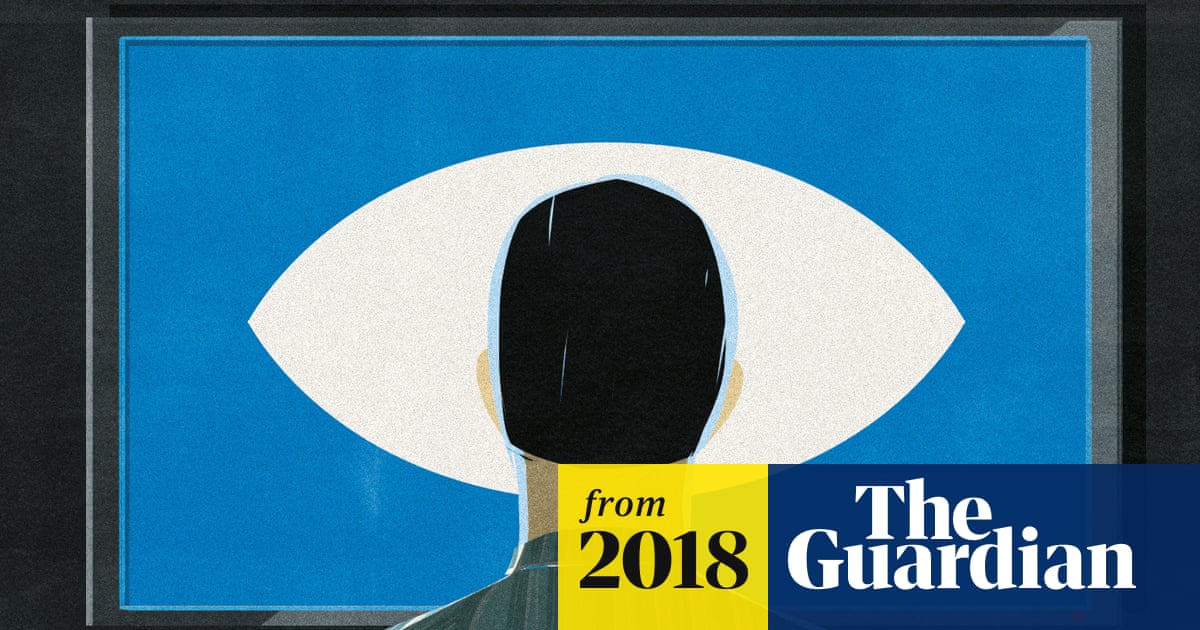
Why It's So Hard to Focus at Work (Hint: It's not you, it's your workplace)
The workplace is overloaded with distractions. Here's why (and how) companies should protrect their most important asset – their team's attention.
Don't Get Distracted
I’m going to tell you about how I took a job building software to kill people. But don’t get distracted by that; I didn’t know at the time.

The Busy Person's Guide to Thinking
Thinking better isn't about learning more; it's about doing a few simple things that really help create unstoppable progress.

How to reclaim your attention from the distraction economy | Psyche Videos
Could you watch this video on full screen, 1x speed, with no distractions? Here are five steps to rebuild your attention span
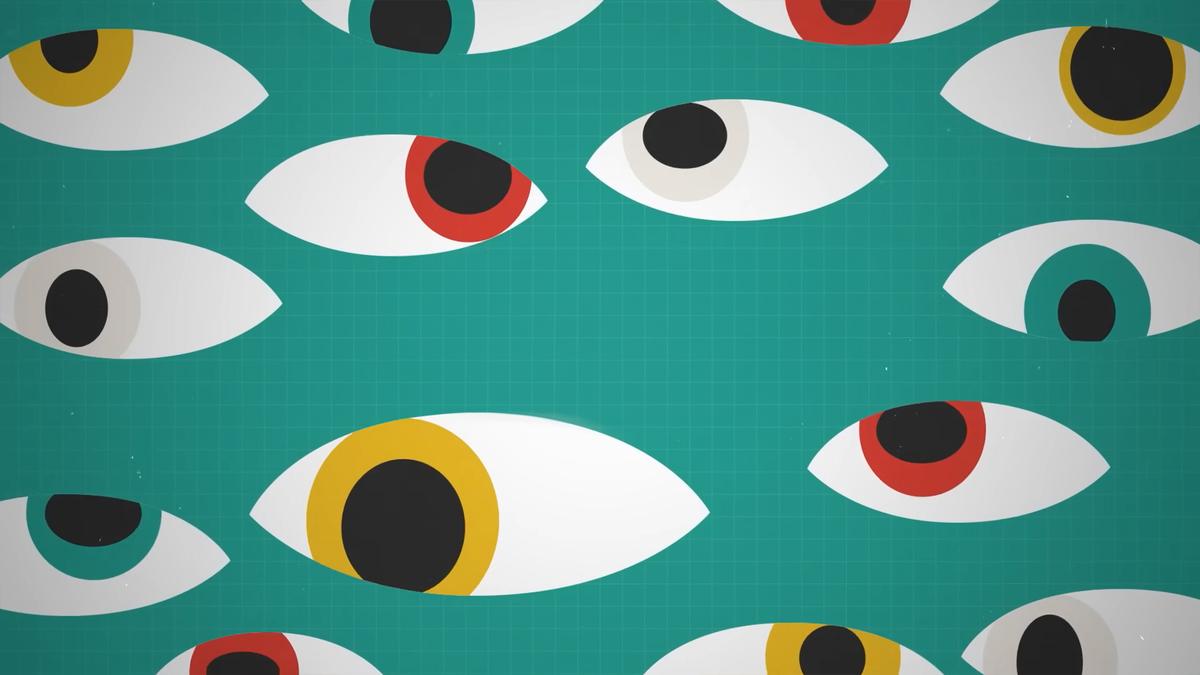
Every productivity thought I've ever had, as concisely as possible - …
I combed through several years of my private notes and through everything I published on productivity before and tried to summarize all of it in this post. If you’re unproductive right now Here’s what you should do if you’ve been procrastinating for an entire day: Accept that you won’t do anything today and try not to get angry at yourself Set the alarm for the time you will be preparing to go to bed today No, really. Do it. It will take 20 seconds Procrastinate for the …
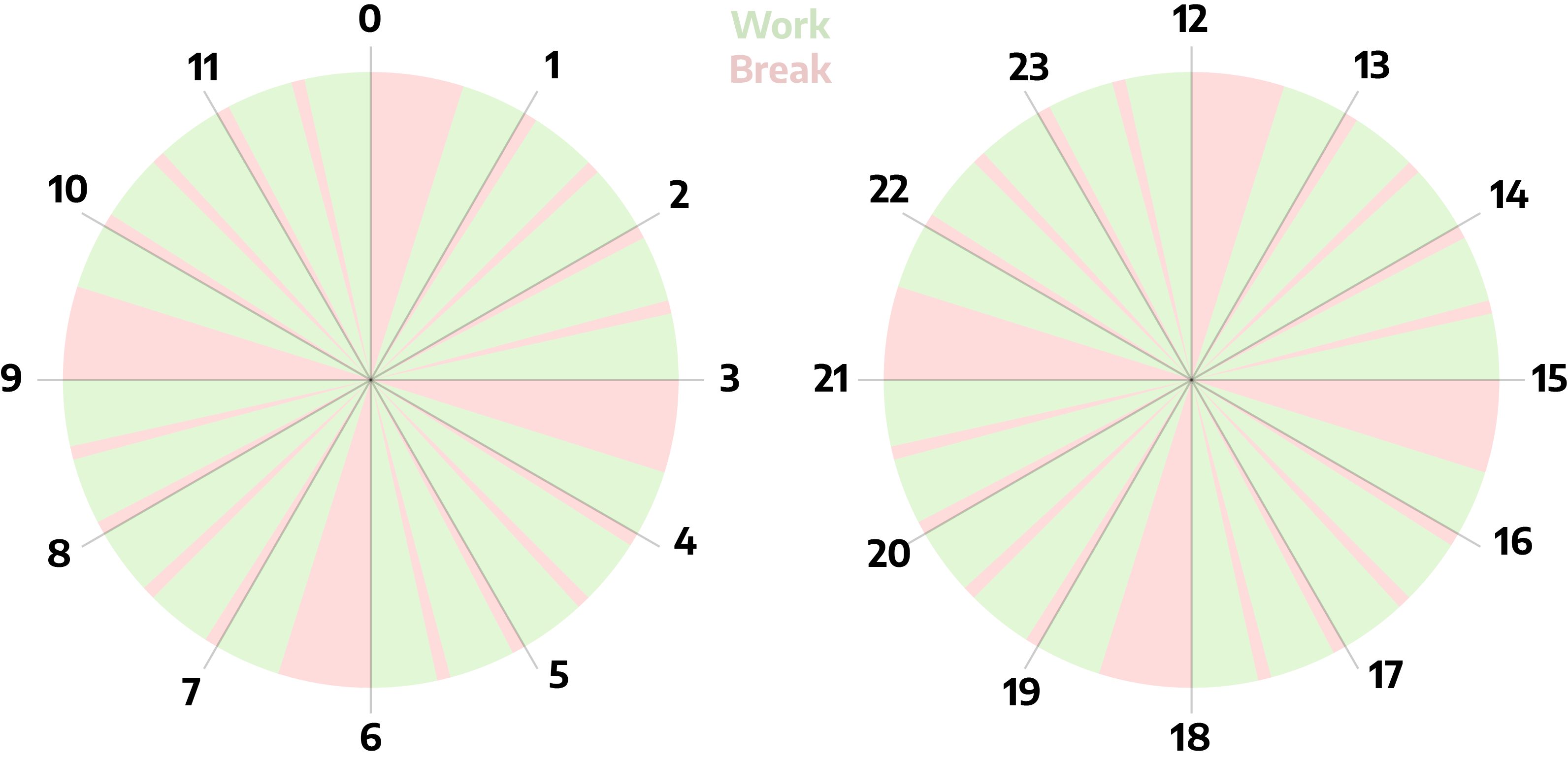
How to Leave Work at Work
Some jobs have very clear lines between when you’re “on” and when you’re “off” while in others the lines are blurred — or potentially nonexistent. That makes not being distracted by work, especially mentally, a major challenge. But you can reduce how distracted you feel by work during times when you’re not working. First, define what “after hours” means for you, considering personal commitments like your commute and family obligations. Next, have mental clarity about what needs to get done and when you will do it. Then, communicate with your colleagues about how (or if) you want to be contacted in your off hours. Finally, do your work at work. If you must bring it home with you, define select hours to work, and don’t let yourself think of work outside of that time period.

My productivity app is a never-ending .txt file
The biggest transition for me when I started college was learning to get organized. There was a point when I couldn't just remember everything in my head. And having to constantly keep track of things was distracting me from whatever task I was doing at the moment.
Do not give up your brain
It's tempting to just let tools think for you, but you still need to be able to think for yourself and stay sharp.

Feeling unproductive? Maybe you should stop overthinking.
In order to get something done, maybe we need to think less.
Almost anything you give sustained attention to will begin to loop on itself and bloom
When people talk about the value of paying attention and slowing down, they often make it sound prudish and monk-like. But we shouldn’t forget how interesting and overpoweringly pleasurable sustained attention can be.

How to be more productive without forcing yourself
Imagine you could work more and be wildly productive. And you wouldn’t need to force yourself to work.
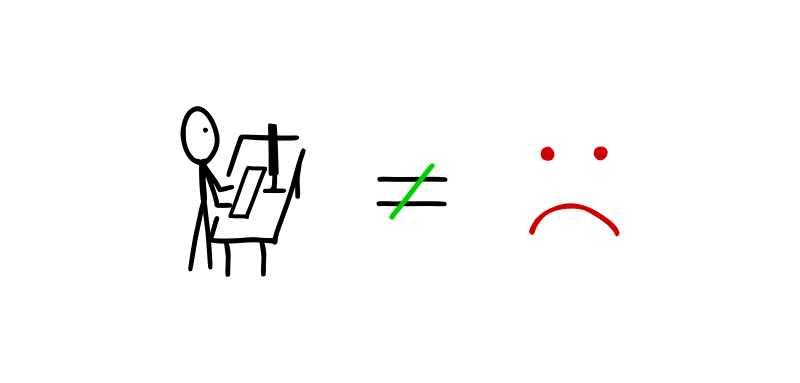
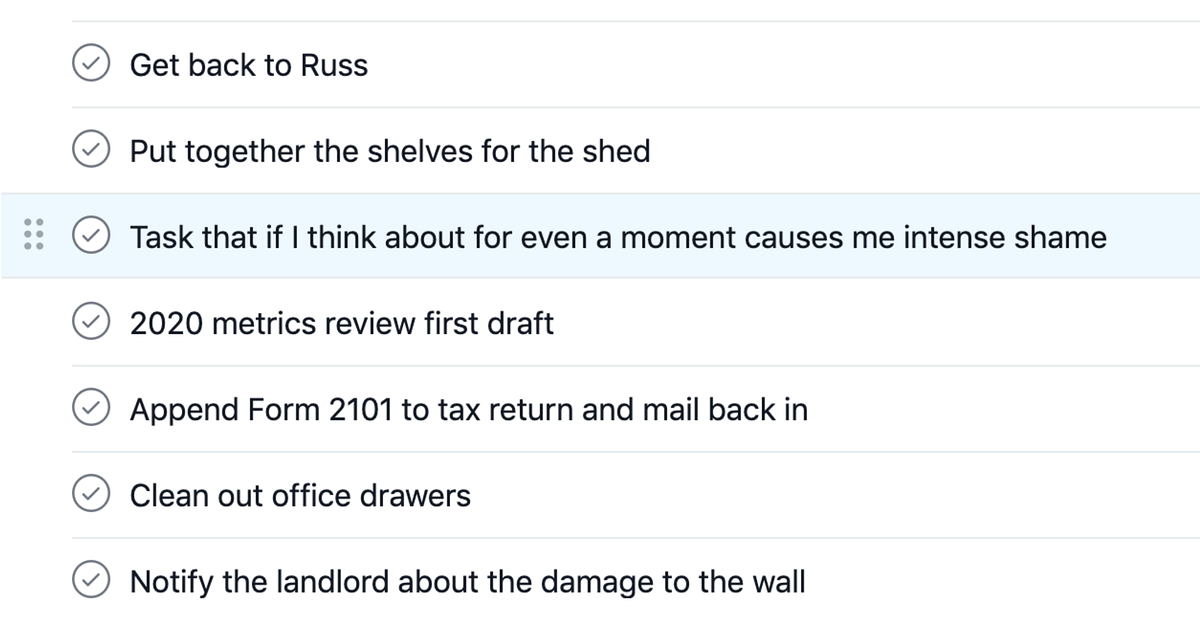
‘Ugh Fields’, or why you can’t even bear to think about that task
Have you ever had a long-overdue task — a task which isn’t so bad in itself — but which you can’t even bring yourself to think about?
Deep work. Essentialism in asynchronous culture
Deep work Nowadays, we are getting accustomed to working in a continuously interrupting environment. Smartphone notifications, hundreds of e-mails, open spaces, and meetings slicing our workday. We are feeling busy, and overworked, but are we more productive? If I am a salesman or project coordinator that way of working can bring good effects and even improve my skills. However, for Software Developers, Designers, and other professionals that need a quiet environment for creative effort, it can lead only to frustration and burnout. They need something that is called deep work. Deep work is a concept popularized by Cal Newport in his book under the same title published in 2016. The author divides mental activity into two categories: shallow work, that does not need intensive concentration like sending e-mails, formatting documents, chatting using communicators, etc. deep work, that demands distraction-free focus on one task like writing a document, learning a new skill, designing a software system, etc.
Why you feel busy all the time (when you’re actually not)
Overwhelmed? It can seem like we’re busier than ever, but that’s not quite true, says Oliver Burkeman.