


Information about our food system should be public or easy-to-share.Unfortunately, that is often not the case. Food is currently produced by a mix of private and public entities, and information about our food system can be opaque, hard-to-find, or proprietary and farmers may have limited control of the on-farm data they generate or ability to improve the tools they use.
Open Food Facts
A collaborative, free and open database of ingredients, nutrition facts and information on food products from around the world

Open Food Facts - world
A collaborative, free and open database of ingredients, nutrition facts and information on food products from around the world
Open Food Facts - world
A collaborative, free and open database of ingredients, nutrition facts and information on food products from around the world
Newly disclosed court documents included Monsanto’s internal emails and email traffic between the company and federal regulators. The records suggested that Monsanto had ghostwritten research that was later attributed to scientists.
5.1K subscribers in the FoodSovereignty community. This subreddit is for sharing content related to Food Sovereignty, Food Security, and Indigenous…

Crop–livestock integration beyond the farm level: a review
AbstractParadoxically, the number of crop–livestock farms is declining across Europe, despite the fact that crop-livestock farms are theoretically optimal to improve the sustainability of agriculture. To solve this issue, crop–livestock integration may be organized beyond the farm level. For instance, local groups of farmers can negotiate land-use allocation patterns and exchange materials such as manure, grain, and straw. Development of such a collective agricultural system raises questions, rarely documented in the literature, about how to integrate crops and livestock among farms, and the consequences, impacts, and conditions of integrating them. Here, we review the different forms of crop–livestock integration beyond the farm level, their potential benefits, and the features of decision support systems (DSS) needed for the integration process. We identify three forms of crop–livestock integration beyond the farm level: local coexistence, complementarity, and synergy, each with increasingly stronger temporal, spatial, and organizational coordination among farms. We claim that the forms of integration implemented define the nature, area, and spatial configuration of crops, grasslands, and animals in farms and landscapes. In turn, these configurations influence the provision of ecosystem services. For instance, we show that the synergy form of integration promotes soil fertility, erosion control, and field-level biological regulation services through organizational coordination among farmers and spatiotemporal integration between crops, grasslands, and animals. We found that social benefits of the synergy form of integration include collective empowerment of farmers. We claim that design of the complementarity and synergy forms of crop–livestock integration can best be supported by collective participatory workshops involving farmers, agricultural consultants, and researchers. In these workshops, spatialized simulation modeling of crop–livestock integration among farms is the basis for achieving the upscaling process involved in integrating beyond the farm level. Facilitators of these workshops have to pay attention to the consequences on governance and equity issues within farmers groups.
Data Governance for Sustainable Digital Food Systems | DigiFood
Explore our research on agricultural data governance in Kenya, India, and Colombia. We aim to support civil society with a human-rights based approach to digital food systems. Join us in promoting equitable practices for sustainable agriculture.
Open-sourced food production – the future of urban diets?
Scientists are developing open-source technologies that reward locally grown foods, cutting down on shipping and improving nutrition
Introduction | DFC Standard
The DFC Standard makes it easier to share short foodchain systems data across platforms.
Ethical Data Governance Toolkit
To increase the capacity for ethical data governance in the agriculture sector, ACARN partnered with researchers at UBC and beyond to co-develop resources to help farmers and others working with agricultural data. A free and open-access collection of resources available in multiple languages:

Black Farmers Index
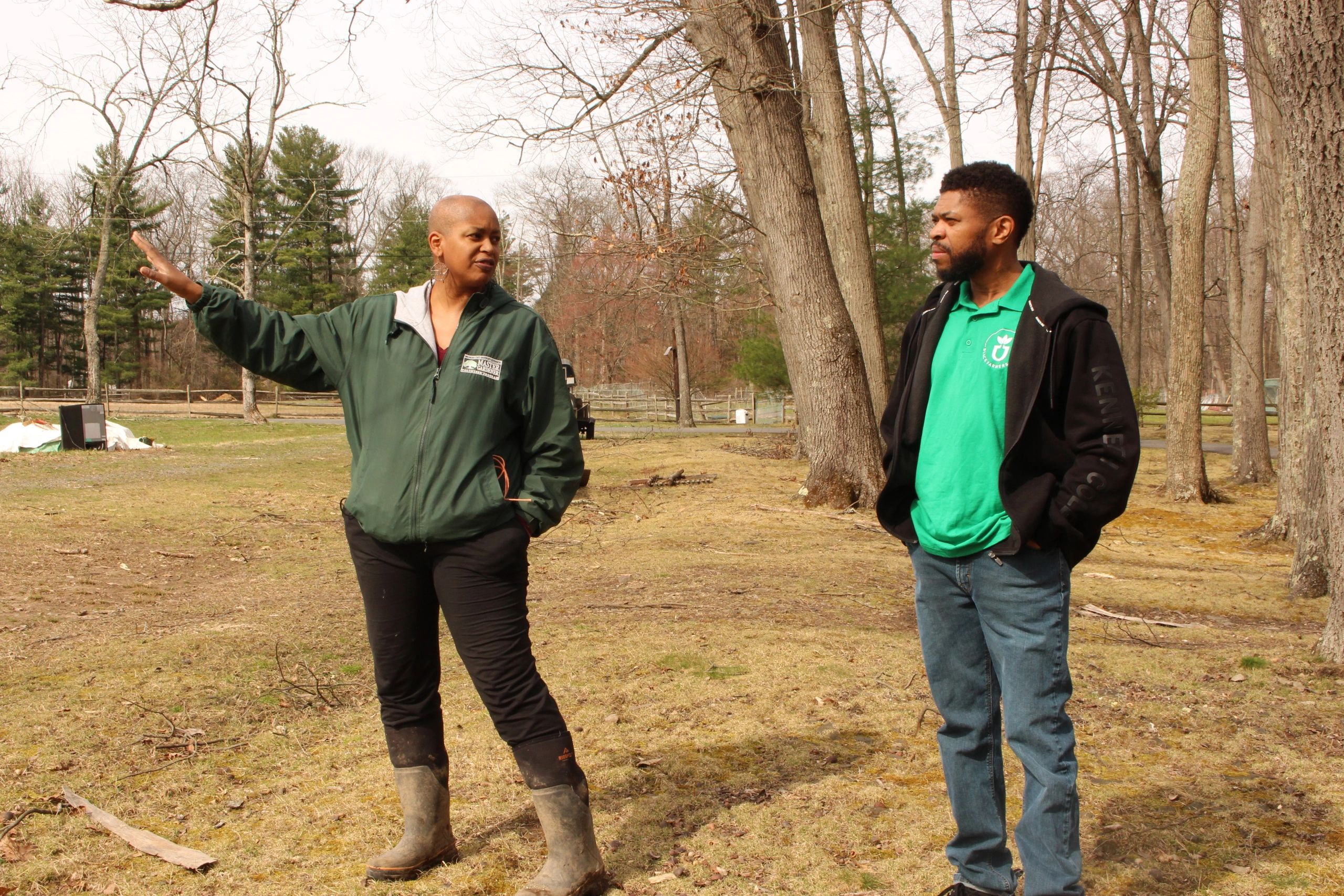
Black Farmers Index drives resources and exposure to agriculturalists with an online directory, workshops, events, data gathering/reporting and media features
Tech firms and AI farming tools ‘playing with the food system’, warns thinktank
Google, Microsoft and Amazon among companies using algorithms and AI to influence what crops are grown and how, say critics

Why a cheeseburger can cost less than fruit

Someone recently announced a “restaurant listings/menus on atproto so they can own their own data”, and as someone who used to do engineering for OpenTable, let me tell you that project is not solving a problem that restaurants actually have. Owning your own data is an anti-value prop for many orgs.

dame
hard pill to swallow for atproto developers/creators: 99% of potential users either do not care about, value, understand, or want to “own their own data” i see so many apps/projects lead with this “value prop”, but it’s not an important or meaningful consideration for most people
