

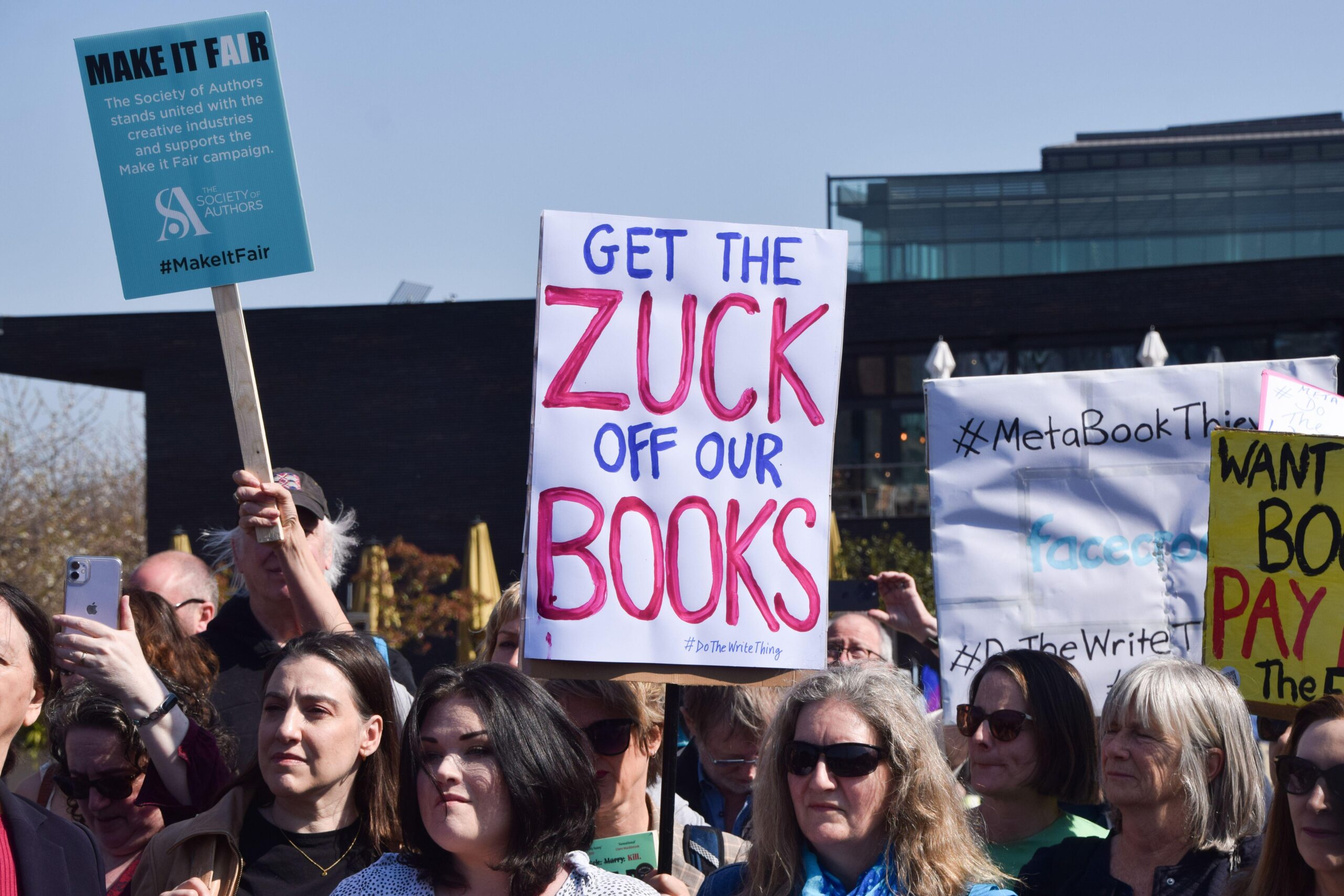
As the hype builds around AI, big tech steals more and more of our creative work. It’s time to fight back.
AI IS CREATIVE BANKRUPTCY
AI Exec: We May Have Pulled Off “The Largest Theft of Labor in Human History”
Documents from our lawsuit reveal how tech leaders talk when they think no one is listening.

Irresponsible AI: big tech's influence on AI research and associated impacts
The accelerated development, deployment and adoption of artificial intelligence systems has been fuelled by the increasing presence of big tech in the AI field. This trend has been accompanied by growing ethical concerns and intensified societal and environmental impacts. This position paper argues that irresponsible AI development is strongly driven by big tech's influence and involvement in the field. First, we examine the growing and disproportionate influence of big tech in AI research and argue that its drive for scaling and general-purpose systems is fundamentally at odds with the responsible, ethical, and sustainable development of AI. Second, we review key current environmental and societal negative impacts of AI and trace their connections to big tech's influence. Third, we discuss the underlying economic forces driving big tech's actions. Finally, as a call to action, we invite AI researchers to counter big tech's influence in irresponsible AI development through strategies that build on the responsibility of implicated actors and collective action.

Irresponsible AI: big tech's influence on AI research and associated impacts
The accelerated development, deployment and adoption of artificial intelligence systems has been fuelled by the increasing presence of big tech in the AI field. This trend has been accompanied by growing ethical concerns and intensified societal and environmental impacts. This position paper argues that irresponsible AI development is strongly driven by big tech's influence and involvement in the field. First, we examine the growing and disproportionate influence of big tech in AI research and argue that its drive for scaling and general-purpose systems is fundamentally at odds with the responsible, ethical, and sustainable development of AI. Second, we review key current environmental and societal negative impacts of AI and trace their connections to big tech's influence. Third, we discuss the underlying economic forces driving big tech's actions. Finally, as a call to action, we invite AI researchers to counter big tech's influence in irresponsible AI development through strategies that build on the responsibility of implicated actors and collective action.
Irresponsible AI: big tech’s influence on AI research and associated impacts
The accelerated development, deployment and adoption of artificial intelligence systems has been fuelled by the increasing presence of big tech in the AI field. This trend has been accompanied by growing ethical concerns and intensified societal and environmental impacts. This position paper argues that irresponsible AI development is strongly driven by big tech’s influence and involvement in the field. First, we examine the growing and disproportionate influence of big tech in AI research and argue that its drive for scaling and general-purpose systems is fundamentally at odds with the responsible, ethical, and sustainable development of AI. Second, we review key current environmental and societal negative impacts of AI and trace their connections to big tech’s influence. Third, we discuss the underlying economic forces driving big tech’s actions. Finally, as a call to action, we invite AI researchers to counter big tech’s influence in irresponsible AI development through strategies that build on the responsibility of implicated actors and collective action.
Nature is Laughing at the AI Build Out -
I was catching up on Acquired episodes this week and listened to the spectacular “Google: The AI Company” episode that Ben and David put together. What the two of them have created with their podcast fascinates me in the inevitability of its success. I think Acquired proves that if you are smart and work your […]
Something Big Is Happening
A personal note for non-tech friends and family on what AI is starting to change.

Is Big Tech's AI Gamble Starting to Look Riskier? - Slashdot
The Washington Post looks at giant tech companies "feeding every available dollar into the cash-incinerating maw of AI machines." They warn "Tech superstars that once had oodles of cash left over at the end of each year are now flipping into the red..." [While optimists expect] huge corporate p...

AI Is a Product of Humanity. Humanity Should Own AI.
Big Tech has looted humanity’s creative output to create artificial intelligence. We don’t just deserve a share of AI’s profits — we deserve control over it.

why I am AI sober
on walking away from AI and how you can mirror similar boundaries with big tech.
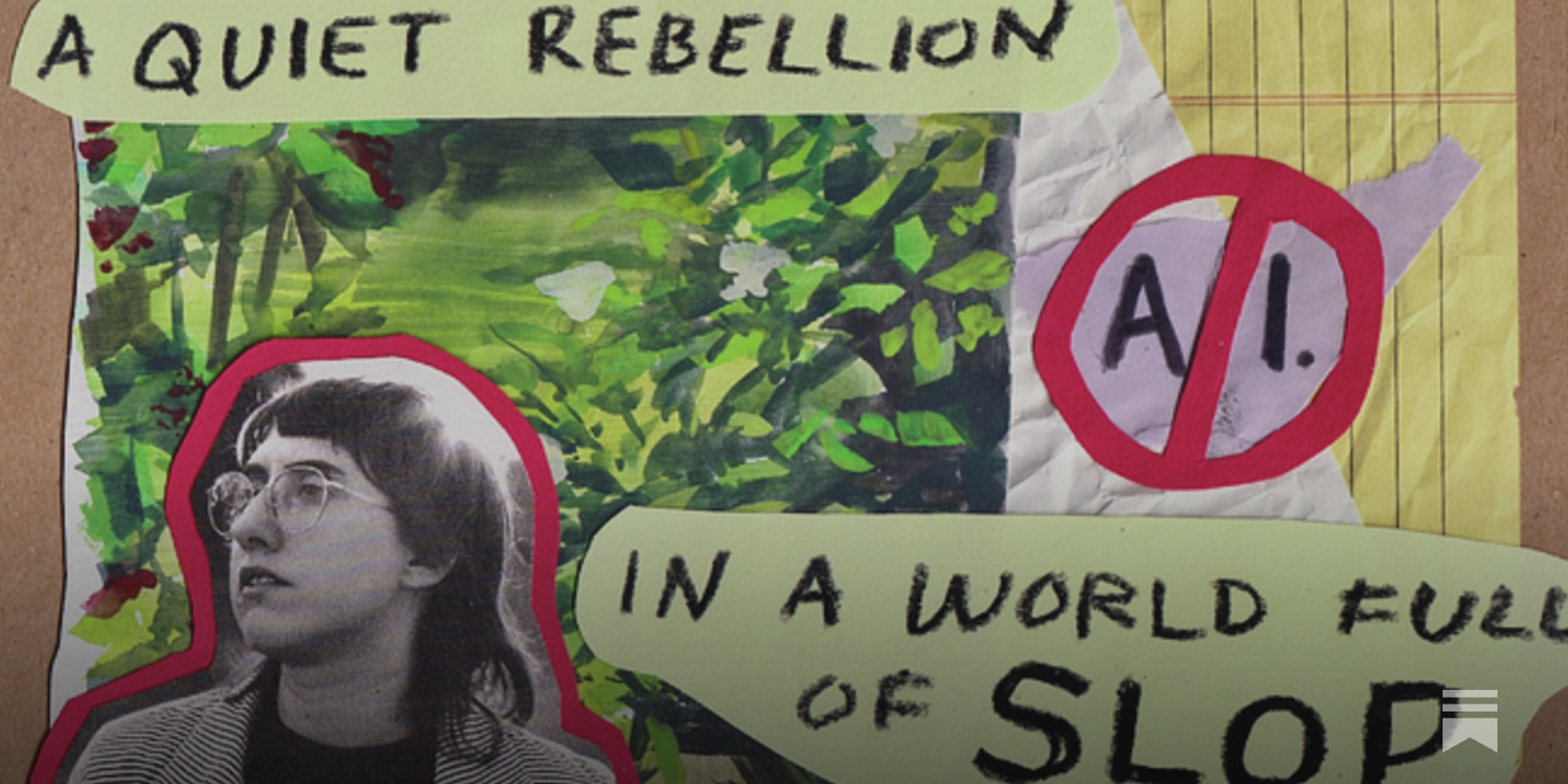
why I am AI sober
on walking away from AI and how you can mirror similar boundaries with big tech.
Meta Secretly Trained Its AI on a Notorious Piracy Database, Newly Unredacted Court Docs Reveal
One of the most important AI copyright legal battles just took a major turn.

The real AI economy is being built by ordinary people
Far from Silicon Valley pitch decks, workers across Asia and Africa are bypassing tech industry hype to quietly rewire their daily jobs — one prompt, workflow, and local problem at a time.

Cory Doctorow: AI’s big beasts aren’t really scared of their products. They’re scared of their competition
The US giants would love to stop battling each other and be protected from China – and they might have hit on just the narrative to make that possible, writes our tech columnist

1/7 Proud to share our paper, accepted as an oral at ICML '26! We highlight how Big Tech’s influence on AI R&D drives damaging outcomes, and what we as researchers can do about it. We also discuss underlying economic causes. See link for paper, and below for a brief summary arxiv.org/abs/2512.03077
1/7 Proud to share our paper, accepted as an oral at ICML '26! We highlight how Big Tech’s influence on AI R&D drives damaging outcomes, and what we as researchers can do about it. We also discuss underlying economic causes. See link for paper, and below for a brief summary arxiv.org/abs/2512.03077
