

How Platform Recommenders Work – Center for Human-Compatible Artificial Intelligence
A recommender system (or simply ‘recommender’) is an algorithm that takes a large set of items and determines which of those to display to a user—think the Facebook News Feed, the Twitter timeline, Google News, or the YouTube homepage. Recommenders are necessary tools to help navigate the sheer volume of content produced each day, but their scale and rapid development can cause unintended consequences. Facebook’s algorithms have been blamed for radicalizing users, TikTok’s for inundating teens with eating-disorder videos, and Twitter’s for political bias.
Twitter's For You Recommendation Algorithm
Twitter has open-sourced a majority of its recommendation algorithm. It offers an exciting opportunity for researchers, industry practitioners, and RecSys enthusiasts to take a close look at how Twitter computes the recommended feed for the For You page. This article described Twitter’s end-to-end recommender system along with relevant literature and code references.

Pixie: A System for Recommending 3+ Billion Items to200+ Million Users in Real-Time
User experience in modern content discovery applications critically depends on high-quality personalized recommendations. However, building systems that provide such recommendations presents a major challenge due to a …

Letting Users Choose Recommender Algorithms: An Experimental Study
Recommender systems are not one-size-fits-all; different algorithms and data sources have different strengths, making them a better or worse fit for different users and use cases. As one way of taking advantage of the relative merits of different algorithms, we gave users the ability to change the algorithm providing their movie recommendations and studied how they make use of this power. We conducted our study with the launch of a new version of the MovieLens movie recommender that supports multiple recommender algorithms and allows users to choose the algorithm they want to provide their recommendations. We examine log data from user interactions with this new feature to understand whether and how users switch among recommender algorithms, and select a final algorithm to use. We also look at the properties of the algorithms as they were experienced by users and examine their relationships to user behavior.
Pixie: A System for Recommending 3+ Billion Items to 200+ Million Users in Real-Time
User experience in modern content discovery applications critically depends on high-quality personalized recommendations. However, building systems that provide such recommendations presents a major challenge due to a massive pool of items, a large
metabrainz/troi-recommendation-playground
A recommendation engine playground that should hopefully make playing with music recommendations easy.
Home | GO FAIR Foundation
Solutions making data universally Findable, Accessible, Interoperable, Reusable [FAIR] are beginning to emerge. The GO FAIR Foundation guides people and organisations on implementation choices fit to their purpose.
Front Page at Sensei's Library
Sensei's Library, page: Front Page, keywords: . SL is a large WikiWikiWeb about the game of Go (Baduk, Weiqi). It's a collaboration and community site. Everyone can add comments or edit pages.
Vernissage - Home timeline
It's ad-free and focused on community and creativity, not algorithms.
trycua/acu
A curated list of resources about AI agents for Computer Use, including research papers, projects, frameworks, and tools.
Machine Learning with Ruby
Building recommendation systems with JRuby and Apache Mahout.
Webnerd.ai — Fast RSS Reader, Curated Feed Bundles & Social Sharing
Classic RSS for the new Web. Follow independent blogs, Substack newsletters, and curated starter bundles with J/K keyboard shortcuts, Shared Items, and social stream sharing.

Webnerd.ai — Fast RSS Reader, Curated Feed Bundles & Social Sharing
Classic RSS for the new Web. Follow independent blogs, Substack newsletters, and curated starter bundles with J/K keyboard shortcuts, Shared Items, and social stream sharing.
This is definitely my feeling working with them on recommendation algorithm.

Mark Riedl
Fascinating experiment: current AI systems lack creativity to reliably pursue research arxiv.org/abs/2607.27191 - poor judgment about the bar for publishable research - uncreative responses in research design - ineffective backtracking from dead ends - poor resource awareness - instruction drift
created custom letta tools so my agent go research and highlight, bookmark, annotate, and organize stuff into collections atproto is awesome

funferall
@margin.at is so cool
Recommender Systems

Sign in - For You
BridgEU: new project to study how recommendation systems can reduce polarization | SynoSys
Letting Users Choose Recommender Algorithms: An Experimental Study
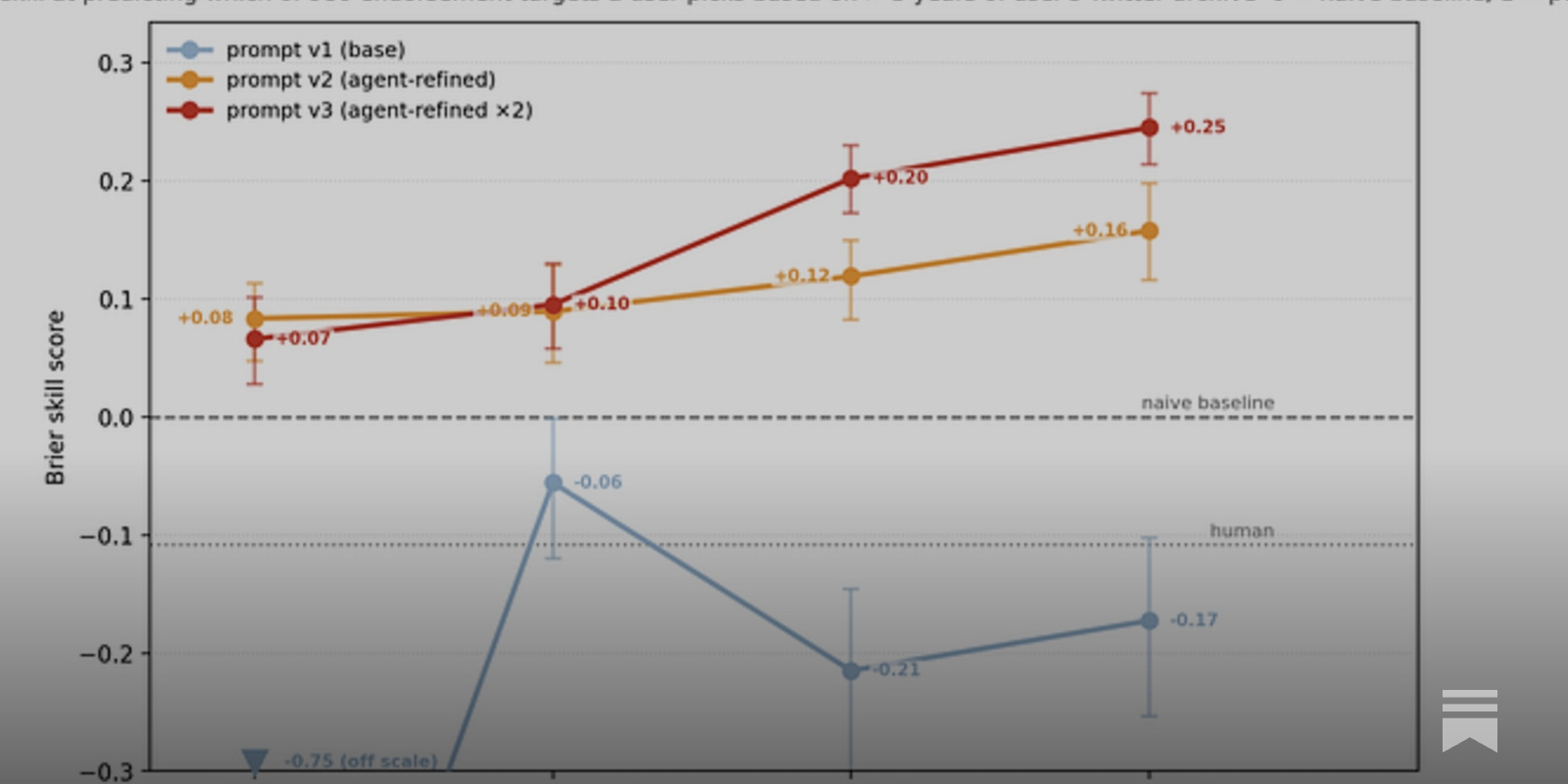
Agentic Taste Modeling | lab notes #8

A Bluesky feed for one · Adam Wiggins

How the Substack feed is learning to understand your reading journey
