

Theming in Design Systems is a de-facto standard way to exchange the look-and-feel of your product. There is a high divergence of what is a theme? What does it consist of? Which constraints exists when building a theme? When and what to use a theme for?
Inside Design Tokens: Modeling & Communication
Design system architecture with focus on design tokens, that form the vocabulary of your visual design language, helping to streamline the communication amongst stakeholders. Modeling the system with boundaries to ensure clear purpose and predictability for design tokens and stability guarantees wit
Inside Design Tokens: Definitions & Traits
Over the past three years, I’ve researched design tokens for usage in Theemo and I’m sharing my discoveries in this article series.
Inside Design Tokens: Features
Features encode user preferences, inherit behavior(s) and are communicated by several principals through agents. Design tokens may or may not support features.
Inside Design Tokens: The Three Class Token Society
Design tokens are often grouped based on their phenomenal reference sequence. From basic, over semantic to component tokens. This article compares this organization with a model based architecture and figures out the advantages and disadvantages.
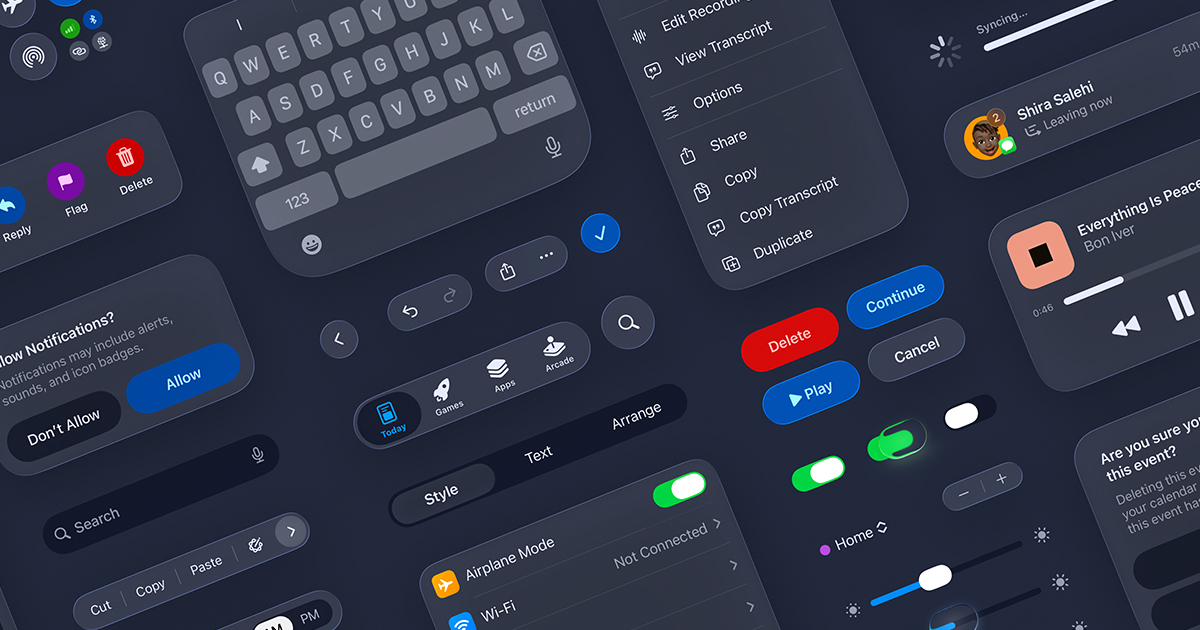
Apple Design Resources
Design apps accurately and quickly using official Apple design templates, icon production templates, color guides, and more.
Inside Design Tokens: The Hidden Knowledge
Tokens contain a lot of information and even more the relationship between tokens. Making sense of this information is the hidden knowledge living within tokens. Unlocking this knowledge is the next evolution step for design tokens.
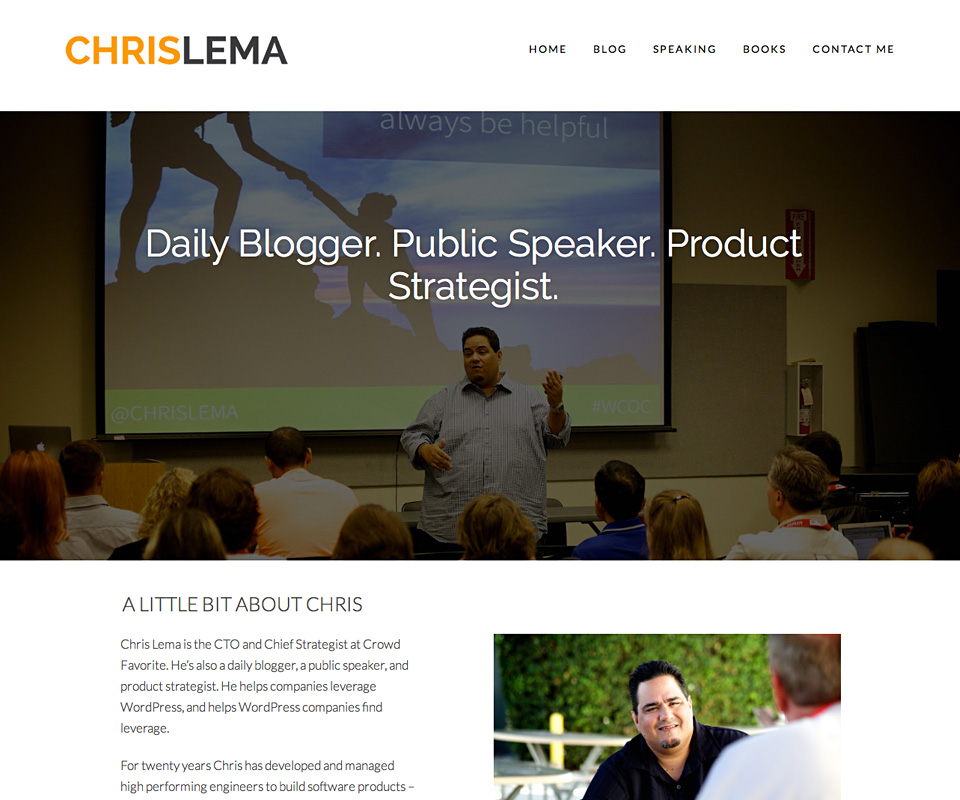
Create compelling About page content with these tips - The Theme Foundry – WordPress themes for publishers
Tips and tricks for creating About page content that meets branding objectives (and that readers love)
Design System | TanStack
The TanStack Design System — living design tokens and components.

Inside Design Tokens: Token Specification
Design tokens become scalable when they are replicable. A token specification is a formula for achieving design tokens scalability and tools interoperability.
WordPress themes, the GPL and the conundrum of derivative works - WP AND LEGAL STUFF
Meet ‘theme’ In the beginning (of WordPress that is) there was no separate theming system as we know it today. Rather, the theming system that we now know and love was added in version 1.5 (“Strayhorn”), in February 2005, and has been enhanced numerous times since then. Today, the humble theme – responsible for the layout, look and feel of a site – is a key and swappable component of virtually every WordPress installation and, as most WordPress users know, for those who don’t wish to develop their own theme there is a dazzling array of readily available themes to choose from. Evolution of commercial themes and their licensing As WordPress became more and more popular and as people began to see and leverage its value, it was inevitable that new business models would emerge. One such business model was the development and sale of premium/commercial themes. Turning to the topic of licensing (and putting what the GPL may require to one side for now), the owners of such businesses could license their themes: in their …

Inside Design Tokens: Put your Tokens on a Scale
Ever worked with a set of design tokens that are super inconsistent and hardly distinguishable? Perhaps a wrong scale? This article explains the available scales, their problems and what to use them for.
Inside Design Tokens: Internals
Tokens not only have a name and a value, they carry on a lot more data, which when given proper meaning is a knowledgeable resource.
An introduction to radical participatory design: decolonising participatory design processes
Outside of community-led design projects, most participatory design processes initiated by a company or organisation maintain or even strengthen power imbalances between the design organisation and the community on whose purported behalf they are designing, further increasing the absencing experience. Radical participatory design (RPD) is a radically relational answer to the coloniality inherent in participatory design where the community members’ disappointment is greater due to the greater expectations and presencing potential of a ‘participatory design’ process. We introduce the term RPD to show how research and design processes can be truly participatory to the root or core. Instead of treating participatory design as a method, a way of conducting a method, or a methodology, we introduce RPD as a meta-methodology, a way of doing any methodology. We explicitly describe what participation means and compare and contrast design processes based on the amount of participation, creating a typology of participation. We introduce ‘designer as community member’, ‘community member as designer,’ and ‘community member as facilitator’ models and provide characteristics for the meta-methodology of RPD.

connections collecting things of a "theme" and making connections

Charloe Always
static.klipy.com
