


The Mamdani administration said the public was misled about health risks after the attacks.
Newly Opened Records Show Fears Over Air Quality After 9/11 Attacks
Mayor Mamdani is making public a trove of previously withheld city documents related to air quality and health concerns after the attack on the World Trade Center 25 years ago.

Transcript: 25 Years Later, Mamdani Adminstrtation Opens City's 9/11 Records to the Public and Settles Multi-Year Legal Battle
Mayor Zohran Kwame Mamdani: Good morning, everyone. I want to thank all those who have joined us this morning at City Hall: the survivors of the horrific Sept. 11 terror attack; the first responders who gave so much to so many for so long; the advocates and activists who have fought passionately on their behalf; the elected officials who carried their voices into the halls of power; and the families of those who fell ill from 9/11-related health complications.
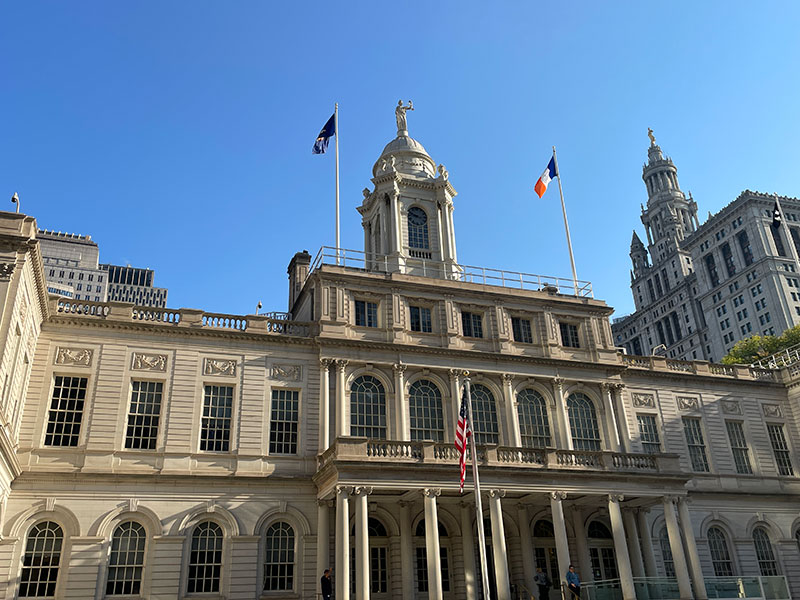
Facing Islamophobia, Mamdani Keeps Focus on 9/11 Victims
In recent weeks, Mayor Zohran Mamdani has visited firehouses around New York City as part of an effort to direct the public’s attention toward the victims, and away from himself.

Facing Islamophobia, Mamdani Keeps Focus on 9/11 Victims
In recent weeks, Mayor Zohran Mamdani has visited firehouses around New York City as part of an effort to direct the public’s attention toward the victims, and away from himself.
Toxins and Health Impacts: Health Effects of 9/11 - WTC Health Program
This online exhibition, developed by the World Trade Center (WTC) Health Program in partnership with the David J. Sencer CDC Museum, examines the ongoing health effects linked to 9/11 exposures and the emergence of WTC-related health conditions. It also explores the events and advocacy that established the WTC Health Program and research achievements that have led to improvements in medical treatment and knowledge.
THE AIR OF UNCERTAINTY Experts weigh health risks of twin towers fires & dust
Some people living or working near Ground Zero may have faced serious health risks since Sept. 11, but environmental experts say they don’t know enough to be certain about long-term harm. For months, toxic contamination in the…

Maloney, Nadler ask NYC mayors what they knew about health hazards at Ground Zero
What did then-New York City Mayors Rudy Giuliani and Michael Bloomberg really know about the toxic threats posed by the ruins for the World Trade Center, and when did they know it? More than two decades after the catastrophic attacks, and…

The New York City Council - File #: Res 0560-2024
Title: Resolution directing the Department of Investigation to conduct an investigation to ascertain the knowledge possessed by mayoral administrations on environmental toxins produced by the September 11, 2001 terrorist attacks on the World Trade Center and to submit a report to the Council thereon.
Environmental epidemiology in a crossfire
Two tendencies have emerged in environmental epidemiology that hamper the translation of research findings into prevention of environmental hazards. One is the increased focus on highlighting weaknesses of epidemiology research that is clearly meant to explain away the research conclusions and weaken their possible implications for interventions to control environmental hazards. Another is the voluminous amount of information sharing that involves a substantial amount of misinformation, as part of the ongoing infodemic. In this light, the appearance of the catalogue of doubt-raising strategies, indeed the worst practices of scientific inference, is good news. Collected under the auspices of the International Network for Epidemiology in Policy, it serves to illustrate the range of possible (and impossible) forms of critique that may be raised on behalf of vested interests or other groups who for some reason disagree with the epidemiological conclusions. We believe that this systematic list will be useful in our field and help to identify critiques of policy options that are hidden and sometimes suppressed in weighing the epidemiological evidence.
Confronting New York City's Lies About Toxic Air After 9/11
Plus, a selection of some of the best writing on 9/11, and more news to take you into the weekend.
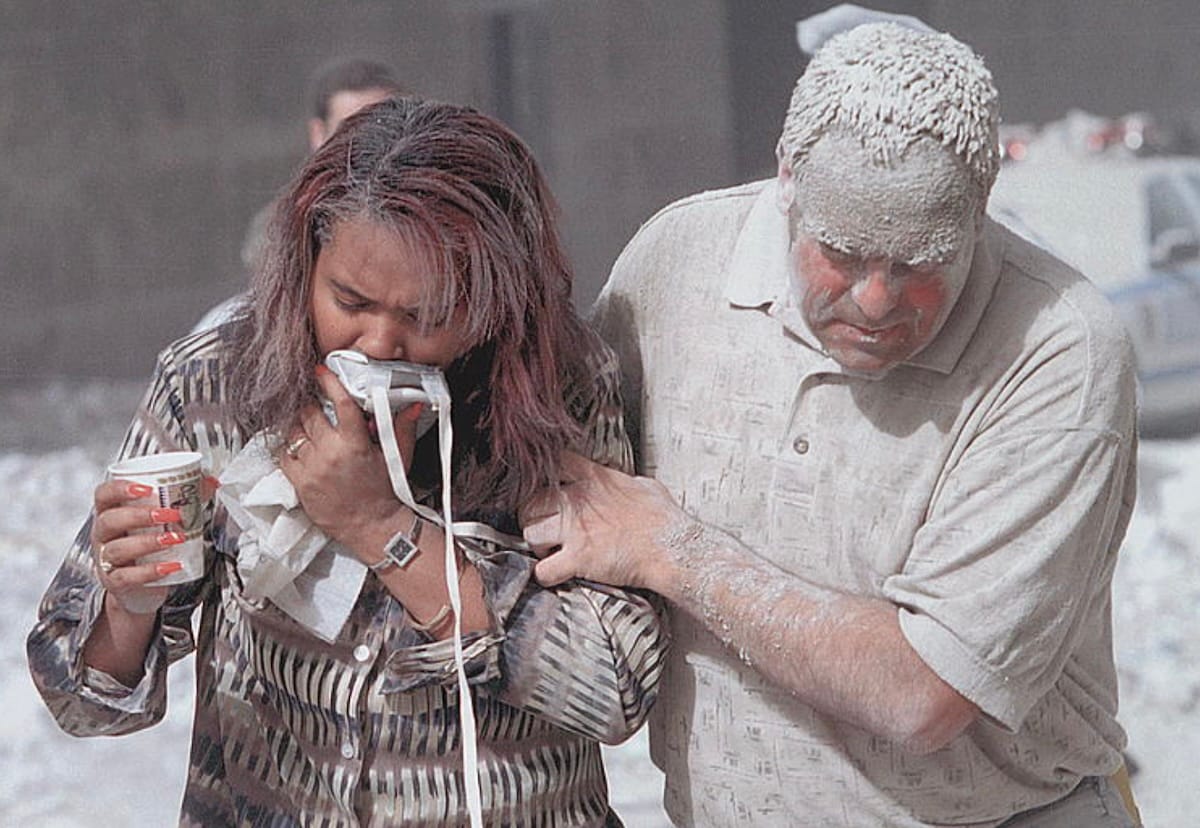

9/11 Health
For over two decades the Registry researchers have been tracking health trends, investigating emerging health conditions, and identifying gaps in care among people affected by 9/11.
Let's normalize debunking each other
The spread of misinformation has become an epidemic, but information hygiene can help.
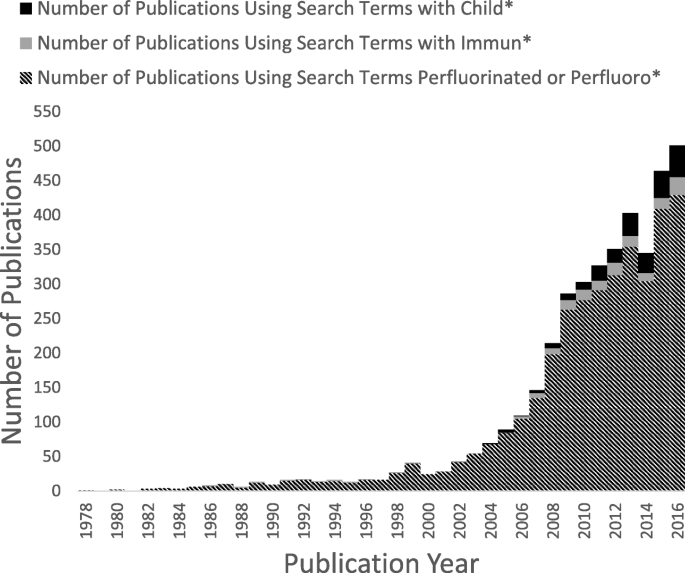
Delayed discovery, dissemination, and decisions on intervention in environmental health: a case study on immunotoxicity of perfluorinated alkylate substances
Identification and characterization of environmental hazards that impact human health must rely on the best possible science to inform and inspire appropriate public health intervention. The perfluorinated alkylate substances (PFASs) are persistent emerging pollutants that are now being recognized as important human health hazards. Although the PFASs have been produced for over 60 years, academic research on environmental health aspects has appeared only in the most recent 10 years or so. In the meantime, these persistent chemicals accumulated in the global environment. Some early studies e.g., on population exposures and toxicity, were not released to the public until after year 2000. Still, the first PFAS risk assessments ignored these reports and relied on scant journal publications. The first guidelines and legal limits for PFAS exposure, e.g., from drinking water, were proposed 10 years ago. They have decreased substantially since then, but remain higher than suggested by data on human adverse effects, especially on the immune system, that occur at background exposure levels. By now, the best-known PFASs are being phased out, and related PFASs are being introduced as substitutes. Given the substantial delays in discovery of PFAS toxicity, in dissemination of findings, and in regulatory decisions, PFAS substitutes and other persistent industrial chemicals should be subjected to prior scrutiny before widespread usage.
Tokyo Metropolitan Government Disaster Prevention Guide Book
🌡️🔥Climate change isn't a distant threat—it's a public health crisis now. Our study shows heat-related deaths in many cities could surpass annual COVID-19 deaths in just 5–10 years at 3°C warming. Urgent action is needed! 👉 rdcu.be/d5rnL @natureportfolio.bsky.social #scientificreports

Rapid climate action is needed: comparing heat vs. COVID-19-related mortality
rdcu.be