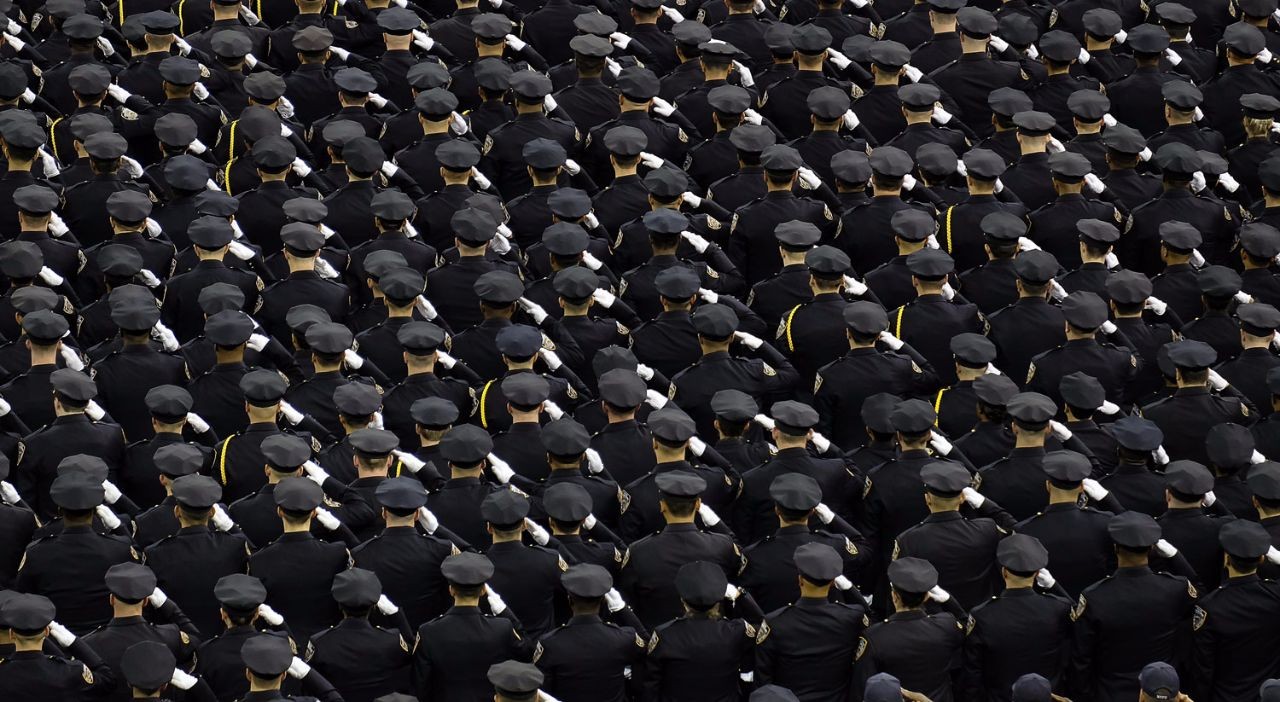
‘One-third of all Americans killed by strangers are killed by police.’
Between Threat and Reality: The National Association for the Advancement of Colored People and the Emergence of Armed Self-Defense in Clarksdale and Natchez, Mississippi, 1960-1965
Annelieke Dirks, Between Threat and Reality: The National Association for the Advancement of Colored People and the Emergence of Armed Self-Defense in Clarksdale and Natchez, Mississippi, 1960-1965, Journal for the Study of Radicalism, Vol. 1, No. 1 (Spring 2007), pp. 71-98
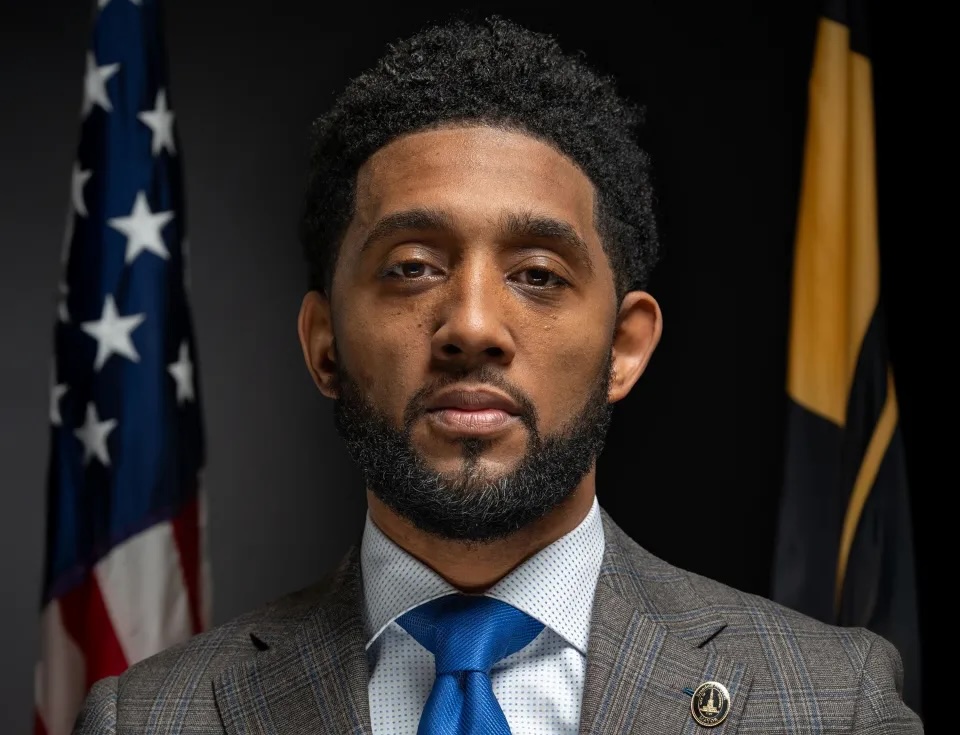
How Baltimore Achieved Historically Low Homicides—With Less Police – Emerald Book
◆ Emerald Pages ◆ public safety / urban policy How Baltimore Achieved Historically Low Homicides—With Less Police Emerald Book Publication August 4, 2026 Updated: August 6, 2026 9 min read Baltimore has engineered a 68% drop in homicides since 2019, outpacing the national average—all while operating with 400 fewer officers. Here's how the city debunked
Americans’ love affair with big cars is killing them
New analysis shows that the heaviest vehicles kill more people than they save in crashes

United States: Year of Extrajudicial Killings at Sea
Today marks one year since the United States began an unlawful campaign of lethal military strikes targeting vessels in the Caribbean Sea and Pacific Ocean, claiming 227 lives. US officials should be urgently held to account for these killings, Human Rights Watch said today.

How Human Traffickers Force Victims Into Cyberscamming — ProPublica
Tens of thousands of people from across Asia have been coerced into defrauding people in America and around the world out of millions of dollars. Those who resist face beatings, food deprivation or worse.

Police Abolition | The Paper Pilot
The Paper Pilot's digital garden of thoughts on philosophy, politics, and sociology
"Violence Has No Place In Politics" OH REALLY?
“It is a racial war:” Analyzing the violent rhetoric of active club members on X - Institute for Strategic Dialogue
ISD research revealed that some members of US-based Active Clubs are using X accounts to call for violence against targeted communities.

Vigilantism comes for Flock
More Americans than ever are destroying Flock license plate cameras amid rising backlash against the company. Is the tide turning on intrusive U.S. mass surveillance, and where does the privacy fight go next?
When police pull back: Neighborhood‐level effects of de‐policing on violent and property crime, a research note
Abstract Many U.S. cities witnessed both de‐policing and increased crime in 2020, yet whether the former contributed to the latter remains unclear. Indeed, much of what is known about the effects of proactive policing on crime comes from studies that evaluated highly focused interventions atypical of day‐to‐day policing, used cities as the unit of analysis, or could not rule out endogeneity. This study addresses each of these issues, thereby advancing the evidence base concerning the effects of policing on crime. Leveraging two exogenous shocks presented by the onset of the coronavirus 2019 (COVID‐19) pandemic and social unrest after the murder of George Floyd, we evaluated the effects of sudden and sustained reductions in high‐discretion policing on crime at the neighborhood level in Denver, Colorado. Multilevel models accounting for trends in prior police activity, neighborhood structure, seasonality, and population mobility revealed mixed results. On the one hand, large‐scale reductions in stops and drug‐related arrests were associated with significant increases in violent and property crimes, respectively. On the other hand, fewer disorder arrests did not affect crime. These results were not universal across neighborhoods. We discuss the implications of these findings in light of debates concerning the appropriate role of policing in the 21st century.

Blue Rage, Black Redemption: A Memoir
A gripping tale of personal revolution by a man who wen…

‘Blueskyism’, Political Violence, and Open Social Networks Under Authoritarianism
After Kirk's murder, calls for censorship and the crackdown on political places started to include Bluesky. Open social networks must now fight political suppression as well as platform monopolies.

Urban America Reconsidered by David L. Imbroscio | Paperback | Cornell University Press
The aftermath of Hurricane Katrina laid bare the tragedy of American cities. What the storm revealed about the social conditions in New Orleans shocked many Americans. Even more shocking is how widespread these conditions are throughout much of urban...
The Algorithmic Management of Polarization and Violence on Social Media
Access the PDF version of this essay by clicking the icon to the right.
When is Political Violence Justified
What the Liberal Tradition Says on the Subject