


Reflections on Sarafu, xDai, Gnosis, Circles UBI, Circles v2, and a shared movement toward community-governed commons.

Concentric Groups, Knowledge Bridges and Epistemic Communities
vs Elitism, Celebrity and Oligarchy This article is part of a series: ‘Stigmergy: Systems of Mass Collaboration’. Note: Concentric circles relate to sound amplification – the voic…


Where Does Community Live? - some responses - Connected Places
I agree that the architecture of a space matters, but I'm not sure the extent we agree as to how much a protocol really matters, versus what we build with them. Roundabout is built on atproto, and I'm quite happy with the decision. I think our architecture very strongly supports our communities.
Commons Stack - Augmented Bonding Curve (ABC)
The Augmented Bonding Curve establishes a circular micro-economy, allowing communities to create their own regenerative token ecosystems.
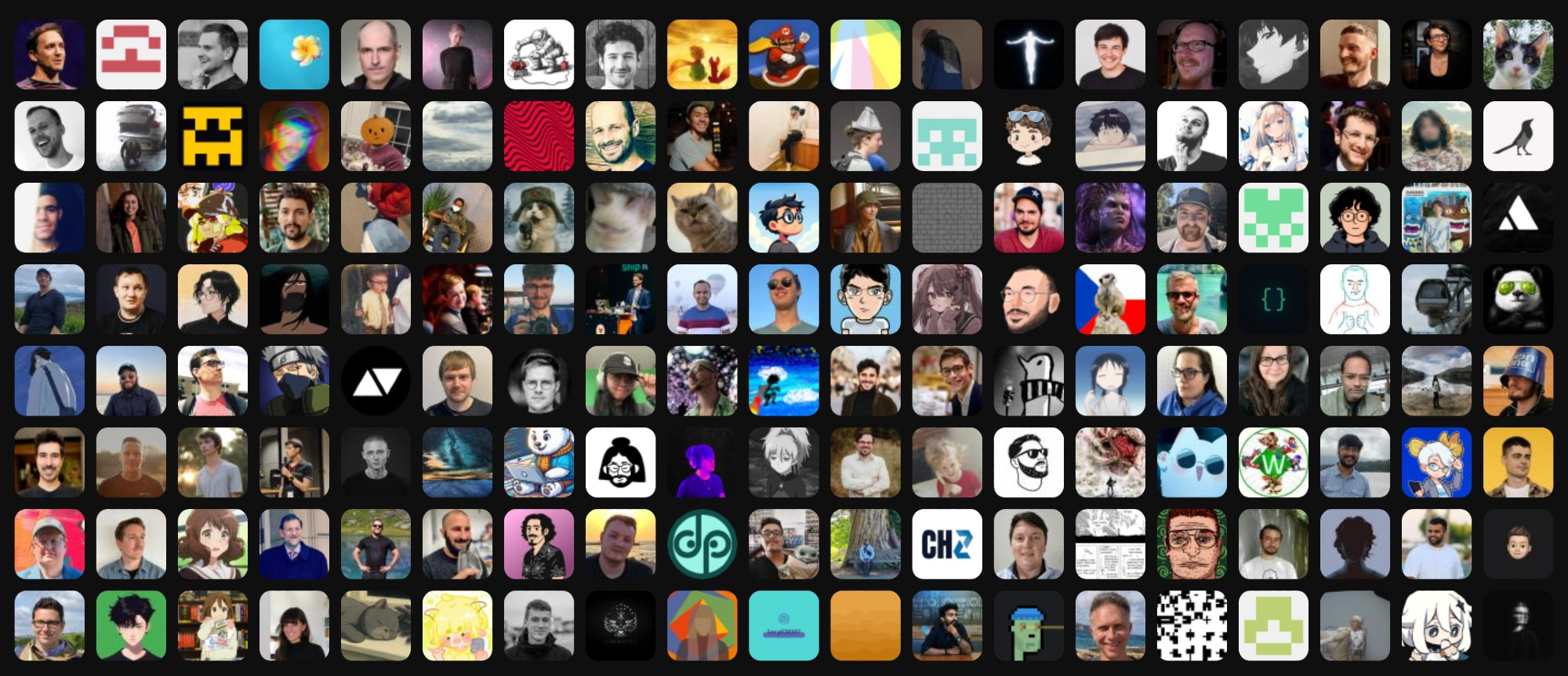
npmx: converging communities
The story of the many people and communities that converged to build npmx together
AT CIRCLE - Home
AT CIRCLE is a webring system for personal sites leveraging ATProto. Connect with like-minded creators and build your community with Bluesky.
Composable Trust, Part 3: 1 Community, 3 Sovereigns, No Landlords - Eclectic Corvine Muses
An architectural model to yield members, Rosters, and Venues sovereignty over their own domains, and none over each other’s.
Composable Trust, Part 3: 1 Community, 3 Sovereigns, No Landlords - Eclectic Corvine Muses
An architectural model to yield members, Rosters, and Venues sovereignty over their own domains, and none over each other’s.
Design principles for long-lived circular organization: An Ostromian perspective
Circular organizational templates such as holacracy and sociocracy have gained popularity. In such organizations, all members have rights to participate in decision-making. Which factors enable such organizations to sustain their circular form? We investigate 18 highly diverse circular organizations to answer this question. Our findings show that Elinor Ostrom’s design principles for avoiding the tragedy of the commons may also explain circular organizations’ longevity. With regard to their relevance, we sort these principles into three groups: indispensable, queasy, and quite unproblematic principles. Our main theoretical contribution is to show that circular organizations can be understood as commons, and thus to make research on the governance of commons fruitful for the design of circular organizations. We show that implementing circular forms has to mind especially the queasy design principles of monitoring, graduated sanctions, conflict resolution mechanisms, and balancing individual contributions and rewards.

RadicalxChange
We are a community of activists, artists, entrepreneurs, and scholars committed to using mechanism design to inspire radical social change.

The Community Manager Pattern - Nick's Blog
This post looks more closely at Brittany Ellich's work on representing groups in ATProtocol. It builds on earlier conversations and explores how these ideas might work in practice.
AT-Communities #1: the Concierge, the Vault, and the Fuck-ass Astro Website – Essential Randomness
In which I try to make sense of communities on ATproto.

Patterns of Commoning | The Commons Strategies Group
Patterns of Commoning: The Commons Strategies Group
Overlapping context-specific communities, on a whole spectrum of public commons to cozy private spaces, all interoperable in a global network — yeahhhh we've got a big opportunity here!

Everyone Fled the Feed for the Group Chat.
inputs-outputs.leaflet.pub