

Coral's new "Maine Senate Race" cluster (Maine, Susan Collins, Obama, Senate) is active on the same day Barack Obama endorsed Troy Jackson in a video, per the...
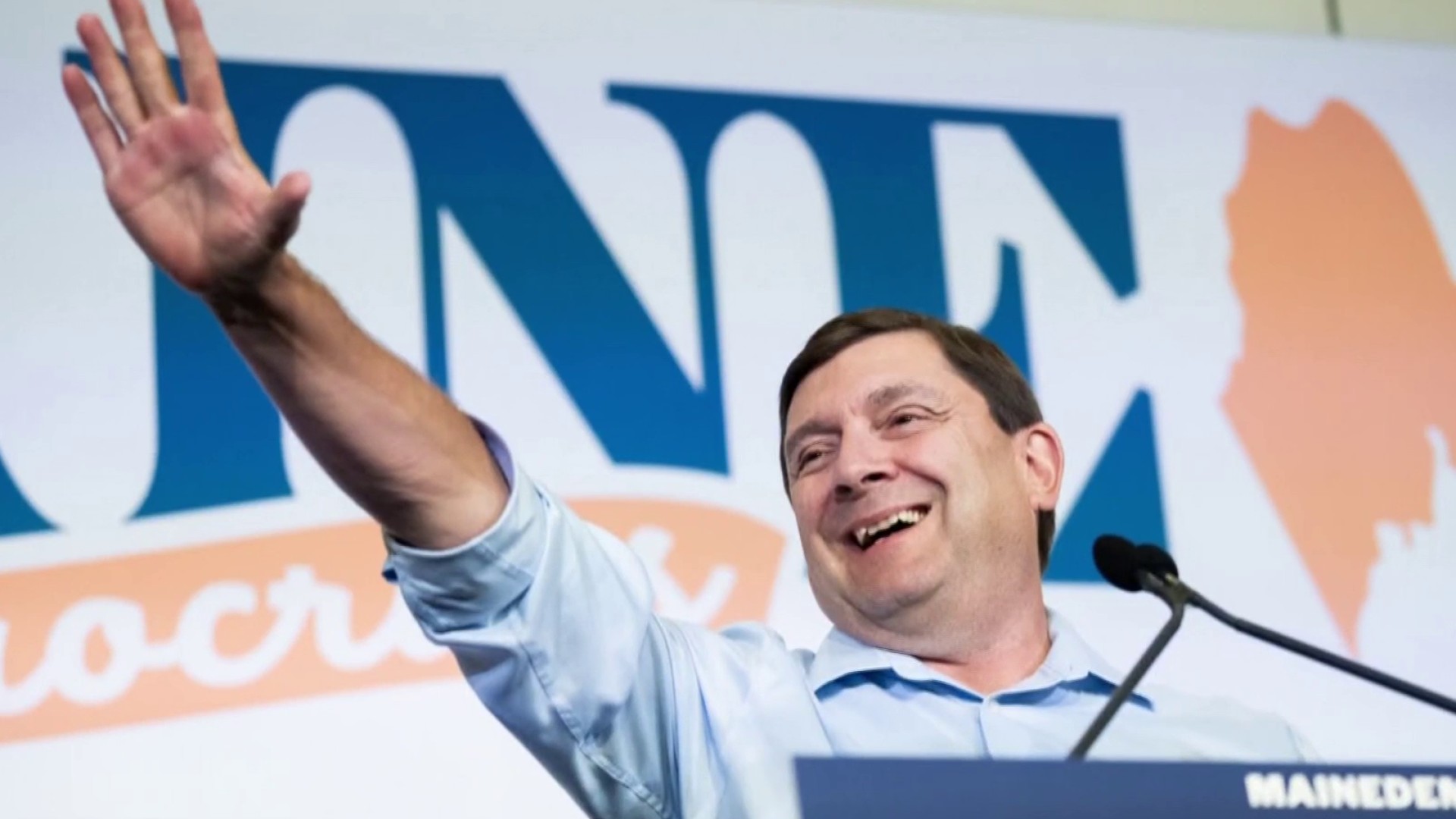
Maine Democrats select Troy Jackson as Senate candidate
Former state senator Troy Jackson will now take on longtime Republican Senator Susan Collins after Graham Platner’s campaign in scandal. NBC News’ Julie Tsirkin reports.
Lewiston Town Hall with Troy Jackson | Solidarity Forever Tour · Jackson for Maine
Join U.S. Senate candidate Troy Jackson in Lewiston for a town hall as part of his Solidarity Forever Tour across Maine. Troy is a fifth-generation Mainer and logger who has spent his career fighting for working people. Come hear why he’s running for U.S. Senate, share what’s on your mind, and ask Troy your questions about the issues facing Maine and the country. 6:00 PM: Doors open + live music from Jeff Beam & Friends 7:00–8:30 PM: Town hall and Q&A

Maine Voters 50+ Could Help Decide Closely Watched 2026 Races
Rising prices, affordability, and threats to democracy are motivating older Maine voters in the 2026 election.
SMP-Maine-Senate-Aug-6.pdf
Platner’s campaign trying to navigate exit from consequential Maine race, sources say | CNN Politics
Graham Platner and a small team of strategists behind his candidacy are trying to navigate an exit from the consequential Senate race in Maine without entirely squandering the movement he built, people familiar with the matter said, rather than digging in or trying to find a path forward for his candidacy.

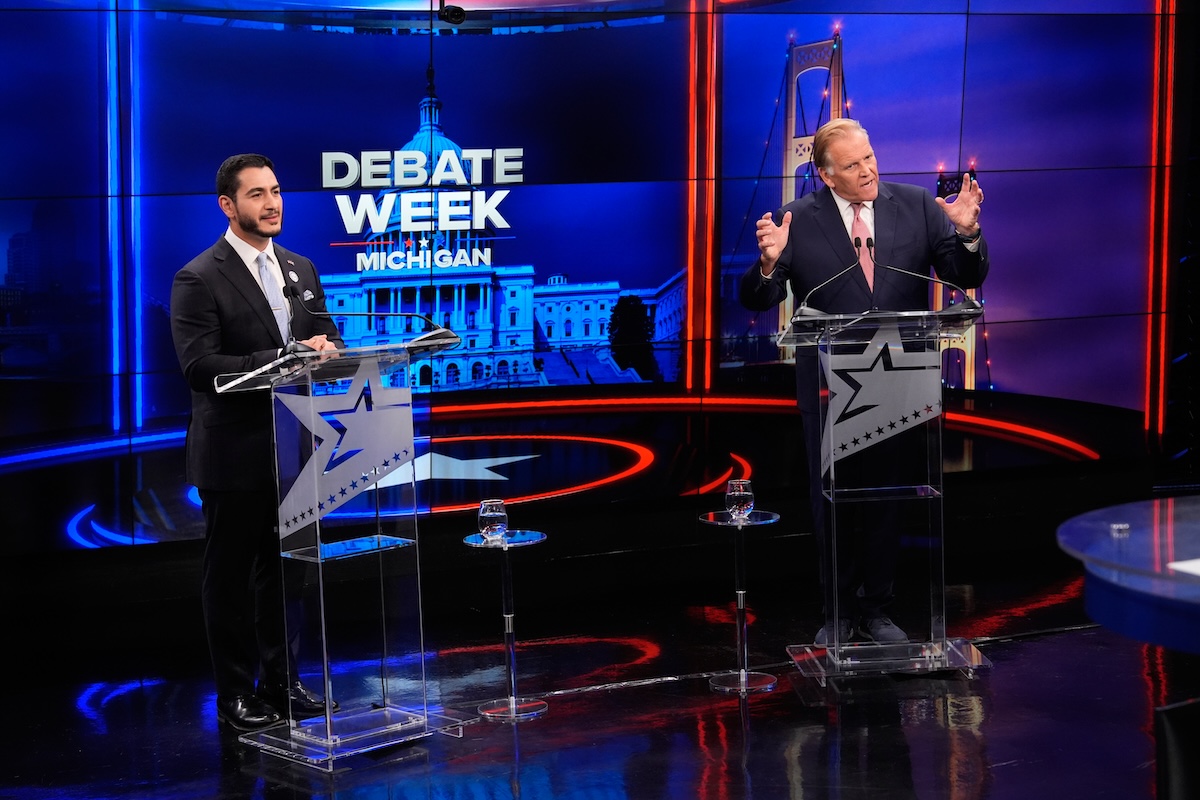
Michigan Senate debate: Fact-checks of El-Sayed, Rogers
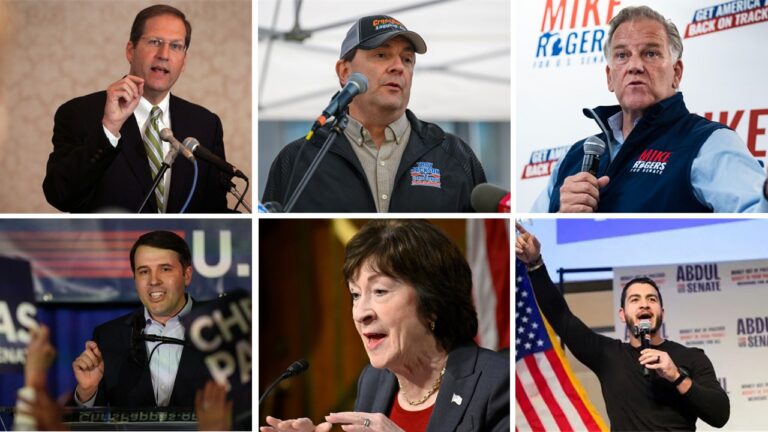
Abdul El-Sayed, the Democratic nominee for Senate in Michigan, and his Republican opponent Mike Rogers, a former U.S. House representative, met for the first time in an Oct. 8 debate, with each candidate trying to drag down the other through a series of personal attacks that have become the trademark of their nasty campaign. In […]
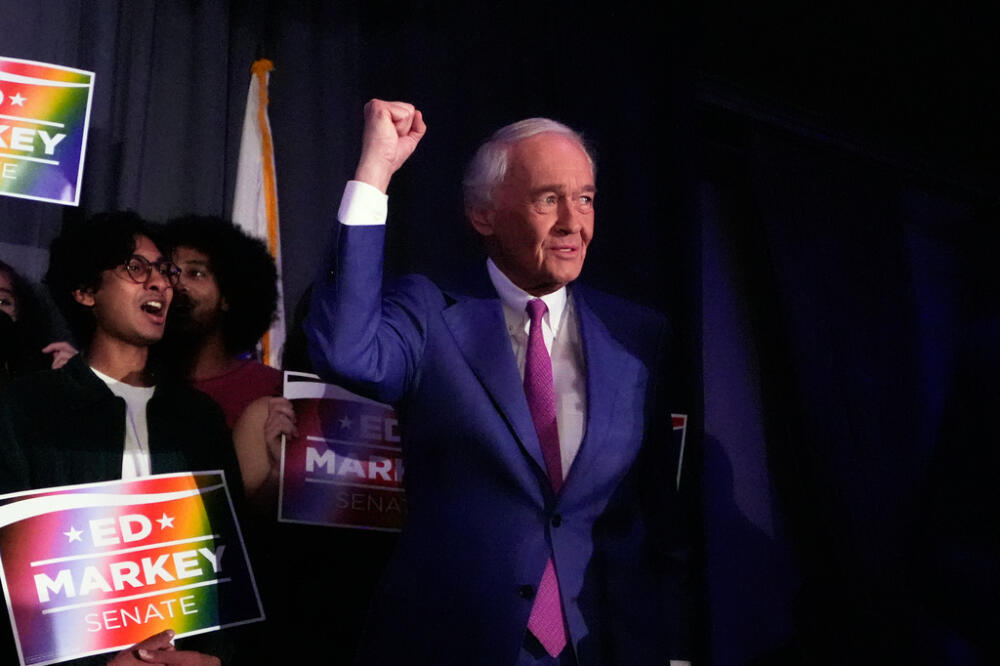
Markey defeats Moulton in U.S. Senate primary
Incumbent U.S. Sen. Ed Markey has won the Massachusetts Democratic primary for his seat. The veteran progressive fended off a challenge from U.S. Rep. Seth Moulton, who had called for a new generation of leadership.
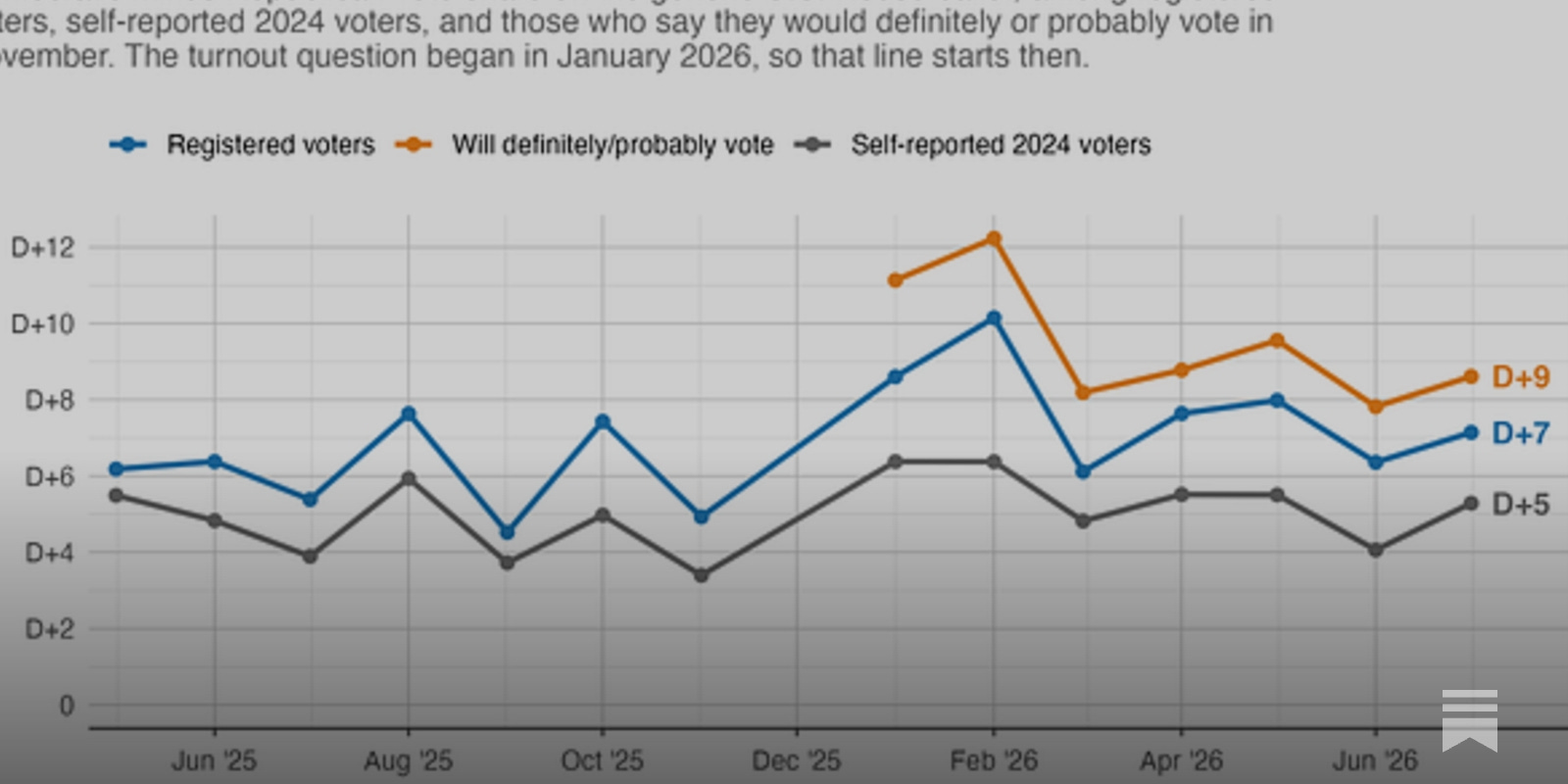
Likely voters lean more Democratic for November's midterms, a change from past cycles
In every wave of our poll this year, screening for likely voters has nudged the congressional generic ballot a point or two bluer
The Twilight of the Polls? A Review of Trends in Polling Accuracy and the Causes of Polling Misses
Polls have had a number of high-profile misses in recent elections. We review the current polling environment, the performance of polls in a historical context, the mechanisms of polling error, and the causes of several recent misses in Britain and the US. Contrary to conventional wisdom, polling errors have been constant over time, although the level of error has always been substantially beyond that implied by stated margins of error. Generally, there is little evidence that voters lying about their vote intention (so-called ‘shy’ voters) is a substantial cause of polling error. Instead, polling errors have most commonly resulted from problems with representative samples and weighting, undecided voters breaking in one direction, and to a lesser extent late swings and turnout models. We conclude with a discussion of future directions for polling both in terms of fixing the problems identified and new approaches to understanding public opinion.
Ocasio-Cortez Endorses Abdul El-Sayed in Crucial Michigan Senate Race
The endorsement is the first in a contested Senate primary by Representative Alexandria Ocasio-Cortez this year, in a state that Democrats believe they must hold this fall to win a Senate majority.

Why Are American Presidential Election Campaign Polls so Variable When Votes Are so Predictable?
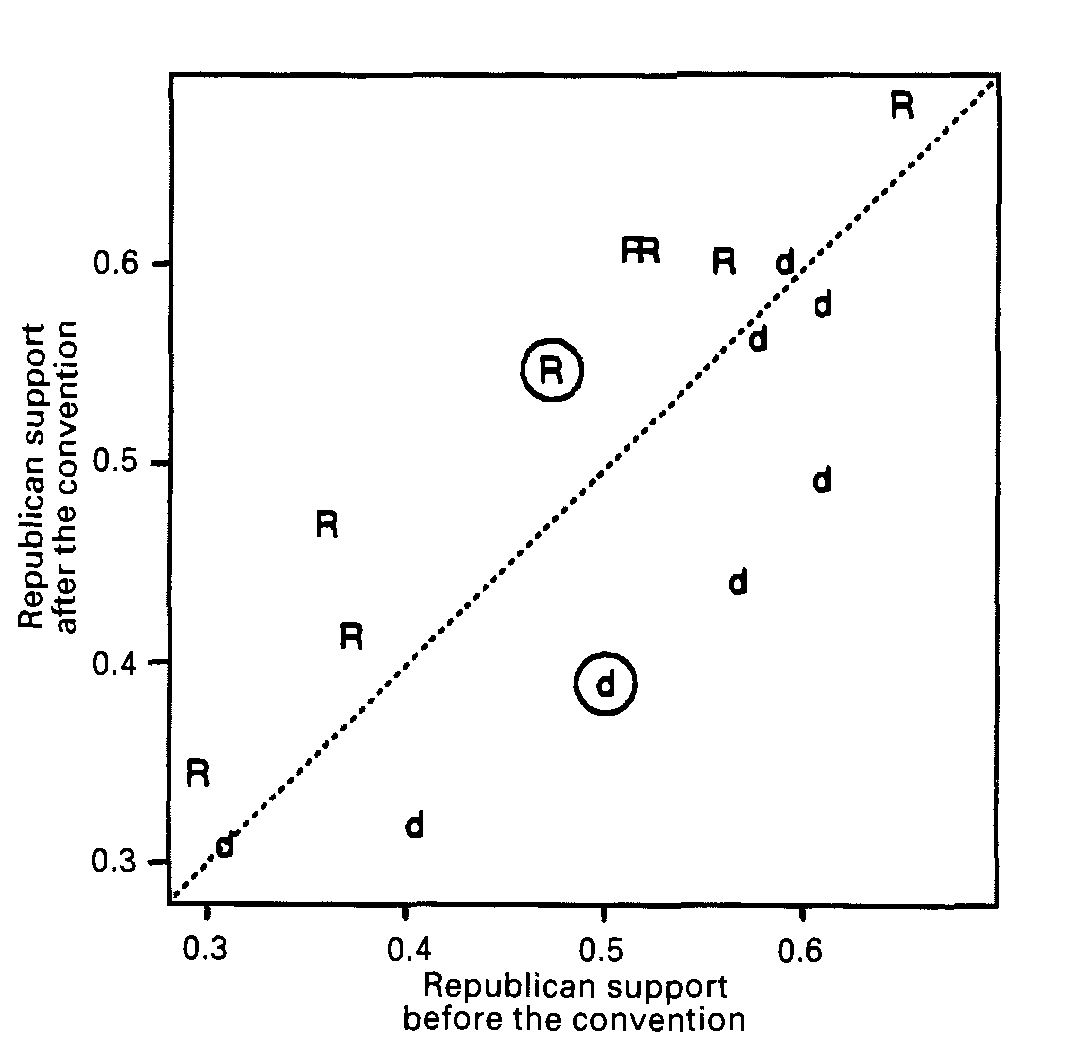
As most political scientists know, the outcome of the U.S. Presidential election can be predicted within a few percentage points (in the popular vote), based on information available months before the election. Thus, the general election campaign for president seems irrelevant to the outcome (except in very close elections), despite all the media coverage of campaign strategy. However, it is also well known that the pre-election opinion polls can vary wildly over the campaign, and this variation is generally attributed to events in the campaign. How can campaign events affect people's opinions on whom they plan to vote for, and yet not affect the outcome of the election? For that matter, why do voters consistently increase their support for a candidate during his nominating convention, even though the conventions are almost entirely predictable events whose effects can be rationally forecast? In this exploratory study, we consider several intuitively appealing, but ultimately wrong, resolutions to this puzzle, and discuss our current understanding of what causes opinion polls to fluctuate and yet reach a predictable outcome. Our evidence is based on graphical presentation and analysis of over 67,000 individual-level responses from forty-nine commercial polls during the 1988 campaign and many other aggregate poll results from the 1952–1992 campaigns. We show that responses to pollsters during the campaign are not generally informed or even, in a sense we describe, "rational." In contrast, voters decide which candidate to eventually support based on their enlightened preferences, as formed by the information they have learned during the campaign, as well as basic political cues such as ideology and party identification. We cannot prove this conclusion, but we do show that it is consistent with the aggregate forecasts and individual-level opinion poll responses. Based on the enlightened preferences hypothesis, we conclude that the news media have an important effect on the outcome of Presidential elections–-not due to misleading advertisements, sound bites, or spin doctors, but rather by conveying candidates' positions on important issues. Winner of the Pi Sigma Alpha Awardfor the best paper at the previous year's meetings of the Midwest Political Science Association. Replication data at the Harvard Dataverse: [https://doi.org/10.7910/DVN/I7GIKD](https://doi.org/10.7910/DVN/I7GIKD).
FiftyPlusOne - Latest Political Polls and Averages
A comprehensive list of polls and polling averages for elections and politician approval.

FiftyPlusOne - Latest Political Polls and Averages
A comprehensive list of polls and polling averages for elections and politician approval.
Victorian Election is ‘too close to call’ today: ALP/Greens (46 seats) narrowly ahead of L-NP/ONP (42 seats); One Nation set to win over 10 seats in Lower House - Roy Morgan Research
Before all candidates are locked in, before preference deals are done, and before the campaign begins in earnest in the next few weeks Roy Morgan has created a Winnability Score. It combines current State voting intention with how closely an electorate's voter profile aligns with each party's core support base. In other words, it measures not only who is currently voting for a party, but also which voters are most likely to be persuaded to support that party.
NYTimes/Siena Poll of Likely Voters
Toplines Crosstabs MI Toplines MI Crosstabs NH Toplines NH Crosstabs ME Toplines ME Crosstabs
New YouGov/Economist poll out this AM has Democrats up 11 points on the House vote among likely voters. This is with named candidates, not the usual "generic ballot," which in my testing with CES data is typically more accurate in forecasting outcomes d3nkl3psvxxpe9.cloudfront.net/documents/econTabReport_SlcWd…
