


GMO Internet Groups policy is to develop and offer its own services. It comprehensively develops Internet businesses, including Internet Infrastructure, Internet Finance, Online Advertising & Media, and Cryptoassets (Cryptocurrency) businesses, and each hold top share in their respective markets in Japan.
Internet Governance Forum (IGF)
The IGF is a global multistakeholder platform that facilitates the discussion of public policy issues pertaining to the Internet
Dark Forest OS
A private internet for creative groups — groupcore infrastructure to cooperate, create, and coordinate
De-google-ify Internet - Main Page
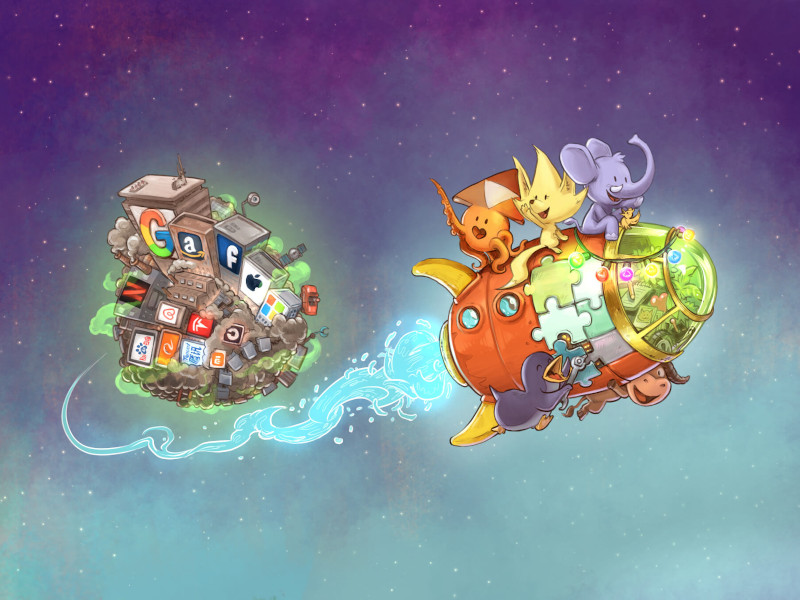
The web giants centralize our digital lives in exchange for their services The Free Software community offers alternative ethical services The Framasoft network intends to prove itby hosting them
What is a Group Host? - at:// pizza thoughts
Describes an hosting pattern for Atmospheric Group accounts, including group creation and app authorization flows
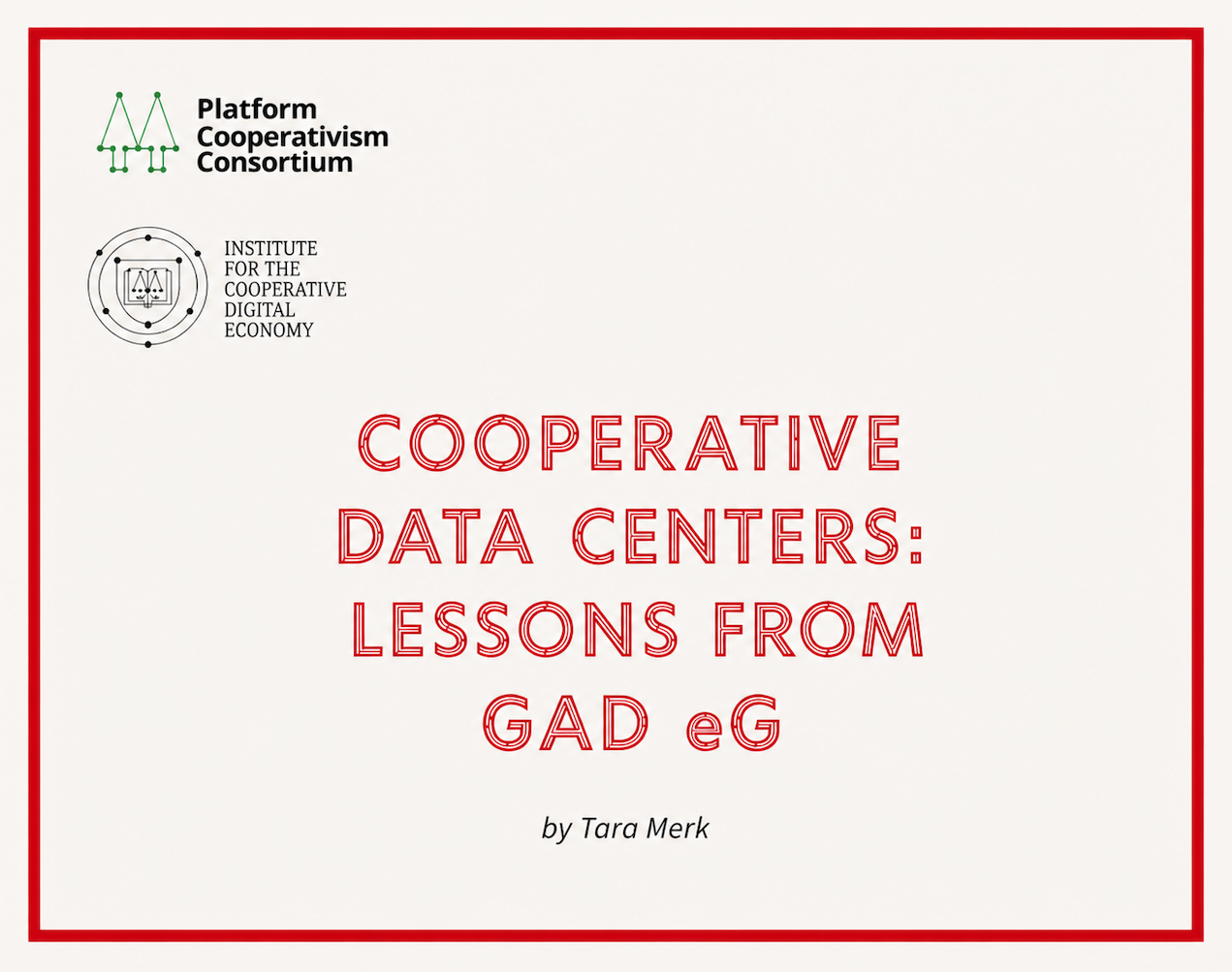
Cooperative Data Centers: Lessons from GAD eG | Platform Cooperativism Consortium
Tara Merk’s report uses GAD eG to show that power in AI does not sit only in data or code. It also sits in the buildings, servers, energy contracts, and ownership structures that decide who gets to…
The ecosystem is moving
Considerations for distributed and decentralized technologies from the perspective of a product that many would like to see decentralize....
The Society for Worldwide Interbank Financial Telecommunication (SWIFT): Cooperative governance for network innovation, standards, and community
A PDF version of this book is available for free in open access via www.tandfebooks.com as well as the OAPEN Library platform, www.oapen.org. It has been made available under a Creative Commons Attribution-Non Commercial-No Derivatives 3.0 license and is part of the OAPEN-UK research project. This book traces the history and development of a mutual organization in the financial sector called SWIFT, the Society for Worldwide Interbank Financial Telecommunication. Over the last forty years, SWIFT has served the financial services sector as proprietary communications platform, provider of products and services, standards developer, and conference organizer ("Sibos"). Founded to create efficiencies by replacing telegram and telex (or ‘wires’) for international payments, SWIFT now forms a core part of the financial services infrastructure. It is widely regarded as the most secure trusted third party network in the world serving 212 countries and over 10,000 banking organizations, securities institutions and corporate customers. Through every phase of its development, SWIFT has maintained the status of industry cooperative thus presenting an opportunity to study broader themes of globalization and governance in the financial services sector. In this book the authors focus on how the design and current state of SWIFT was influenced by its historical origins, presenting a comprehensive account in a succinct form which provides an informative guide to the history, structure, activities and future challenges of this key international organization. This work will be of great interest to students and scholars in a wide range of fields including IPE, comparative political economy, international economics, business studies and business history.

Top 5 Limitations of Google BeyondCorp | Twingate
Google BeyondCorp pioneered Zero Trust at scale—but it was built for Google. Here are the top 5 limitations for organizations trying to apply it themselves.

The promise of ATproto is social media without corporate overlords | The Web Dev Podcast Series 1
Developers building apps on ATproto, the technology behind social media apps like Bluesky and Leaflet, are promising us a future where we own our content and aren’t at the whims of a tiny handful of companies. Software engineer Zeu Capua talks to host Jason Lengstorf about the promise of social media where we can actually own our own data.

Oxide Computer Company
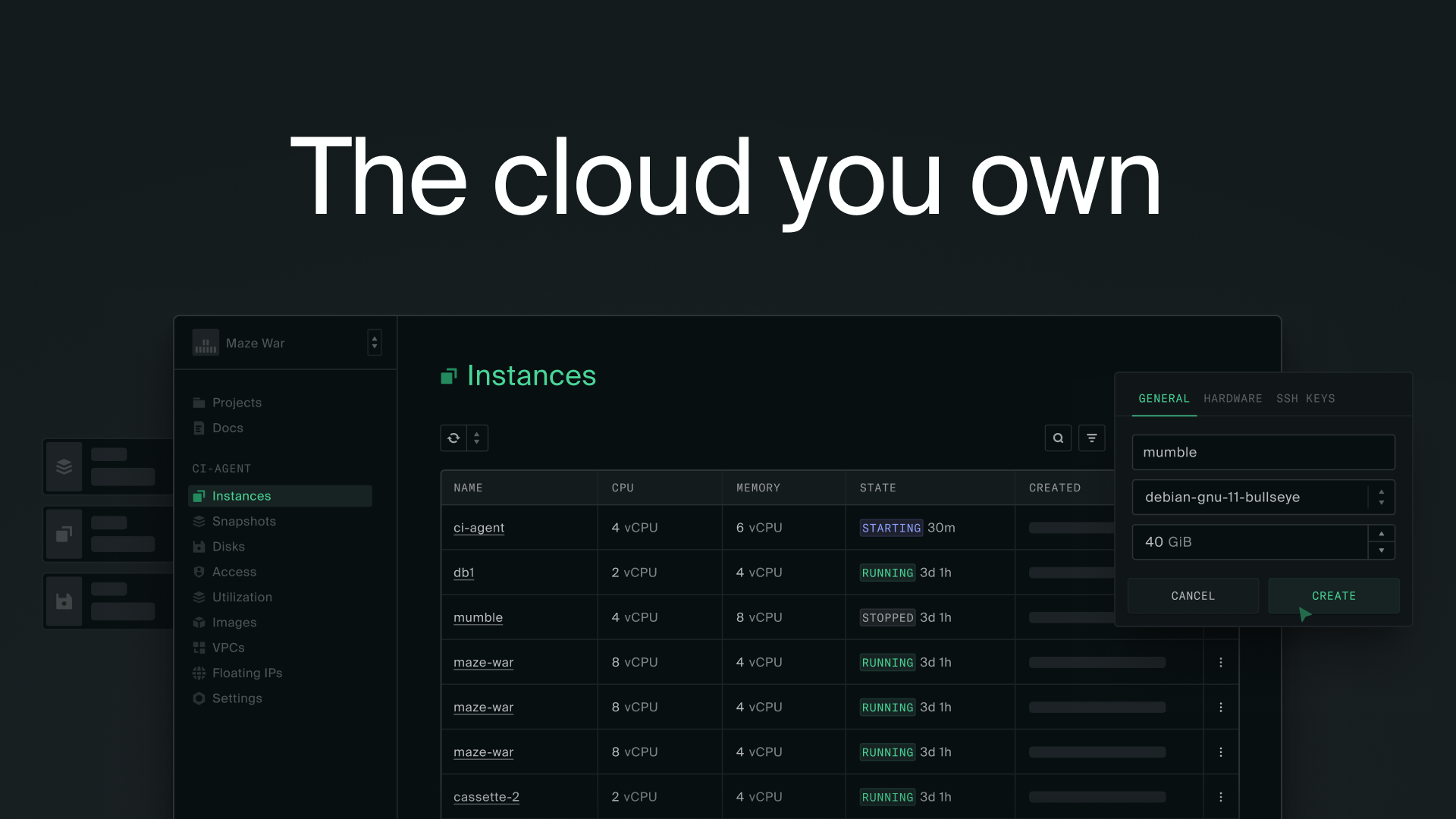
The cloud you own. Hardware, with the software baked in, for running infrastructure at scale.
graze-social/cocore
co/core is a place where people share the compute they already own to run AI for each other, instead of renting from a handful of giant providers
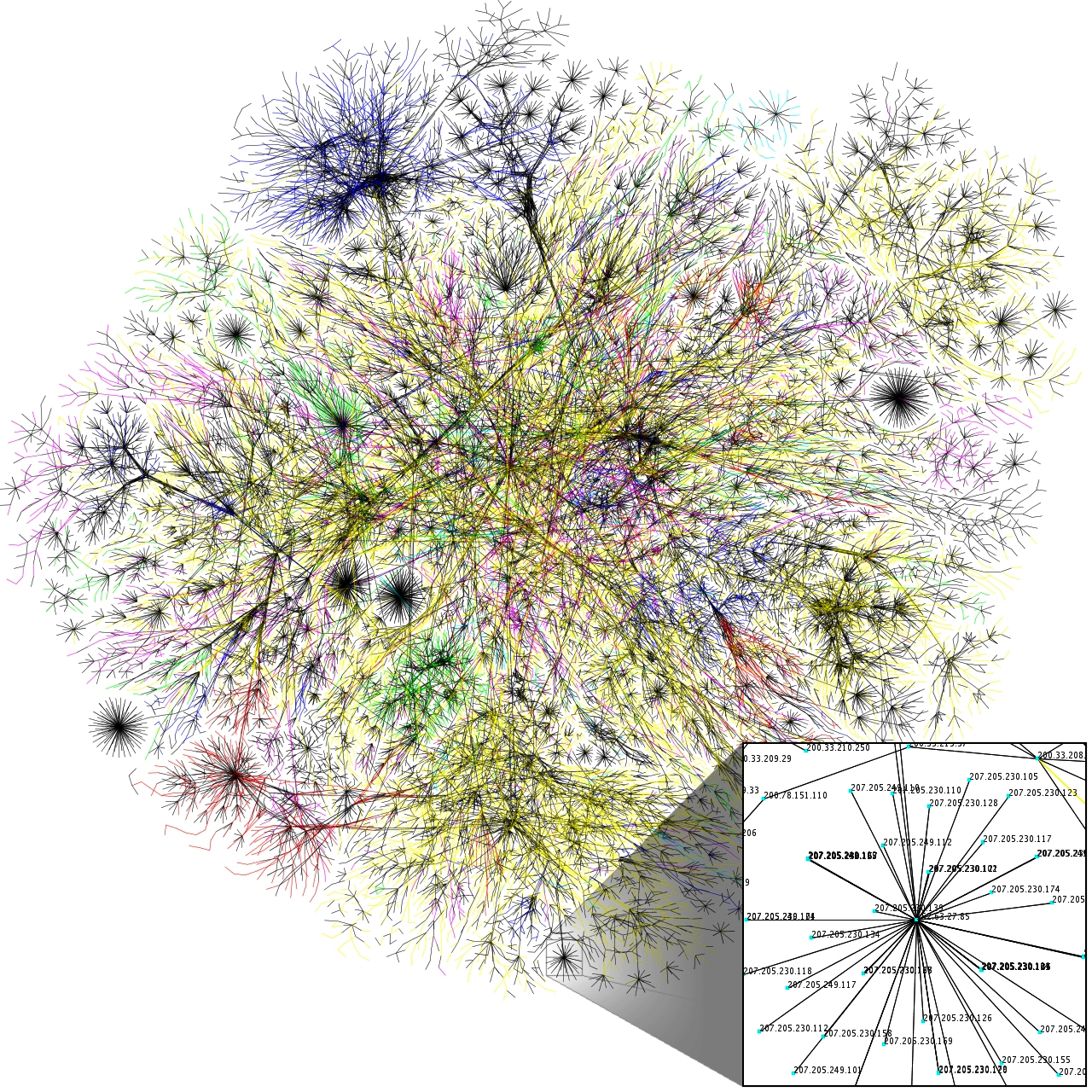
Internet
The Internet is the global system of interconnected computer networks that uses the Internet protocol suite (TCP/IP) to communicate between networks and devices. It is a network of networks that comprises private, public, academic, business, and government networks of local to global scope, linked by electronic, wireless, and optical networking technologies. The Internet carries a vast range of information services and resources, such as the interlinked hypertext documents and applications of the World Wide Web (WWW), electronic mail, discussion groups, internet telephony, streaming media and file sharing.
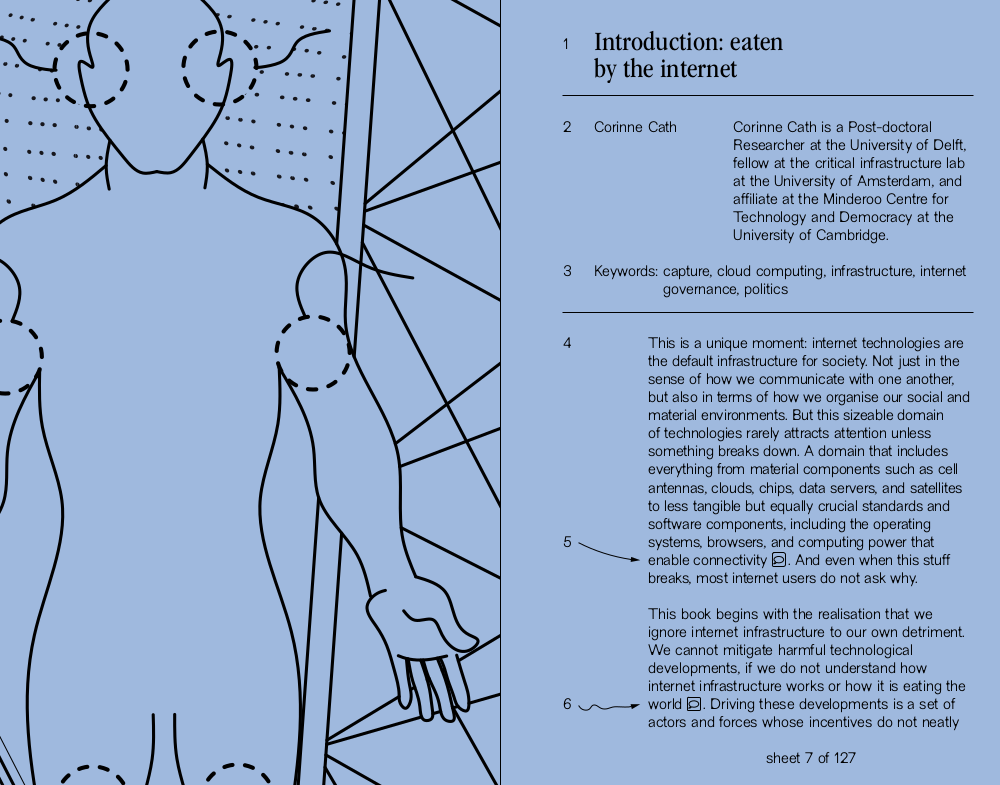
Eaten by the Internet
This book makes internet infrastructure visible as a force of political power, which is transforming the social world, from the bottom up—through fifteen chapters contributed by a global set of researchers, activists, and techies. We are living a unique moment: internet technologies are the default infrastructure for society, not just how we communicate but also how we organise our social life, politics, and economy, all the way down to our material environments, like cities. Our world is eaten by the internet. This means that those who control the internet control the bounds of public speech, economic production, social cohesion, and politics, making its infrastructure a core political terrain in the networked age. The book’s chapters cover a wide set of topics, spanning from the global politics of content moderation by internet infrastructure to the colonialism inherent in the race to plug the moon, from the harms wrought by blockchain companies in rural America to the particularities of online censorship across Asia. The chapters take on thorny topics, discussing power consolidation in the advertisement and cloud industry, the role of internet infrastructure in the war in Ukraine, and tech’s environmental impact—amongst others. In doing so, this book roots contemporary technology debates in the politics of internet infrastructure and urges us to ask how can we ensure our infrastructures sustain us, rather than consume us?
Reclaim the internet: Mozilla’s rebrand for the next era of tech | The Mozilla Blog
Mozilla isn’t just another tech company — we’re a global crew of activists, technologists and builders, all working to keep the internet free, op

Still seeking: - Decentralized direct-messaging (DM) service - Works with atproto identities - E2EE - Self-hostable / FOSS - Permissionless - Frontend-agnostic / plug-n-play - No blockchain Group messaging would be a bonus. We'd be your github sponsor + public champion.

Rude1 Haunted Badness. ⁂
Bluesky DMs are a centralized service that they run and haven't open sourced. Germ DMs are similarly centralized. If there's ever a DM service that we can self-host and would be interoperable with (work with) other atproto apps or non-Blacksky accounts, we'll swap out Bluesky's.