


GMO Internet Groups policy is to develop and offer its own services. It comprehensively develops Internet businesses, including Internet Infrastructure, Internet Finance, Online Advertising & Media, and Cryptoassets (Cryptocurrency) businesses, and each hold top share in their respective markets in Japan.
High-stakes standoff between GMO and hacker group escalates with first data leak
The cyberattackers vowed to continue leaking information on GMO account holders one by one until the company agrees to pay the $1 million ransom.

Internet Governance Forum (IGF)
The IGF is a global multistakeholder platform that facilitates the discussion of public policy issues pertaining to the Internet
Dark Forest OS
A private internet for creative groups — groupcore infrastructure to cooperate, create, and coordinate
The Internet is a Global Public Resource | The Mozilla Blog
One of the things that first drew me to Mozilla was this sentence from our manifesto: “The Internet is a global public resource that must remain open and

De-google-ify Internet - Main Page
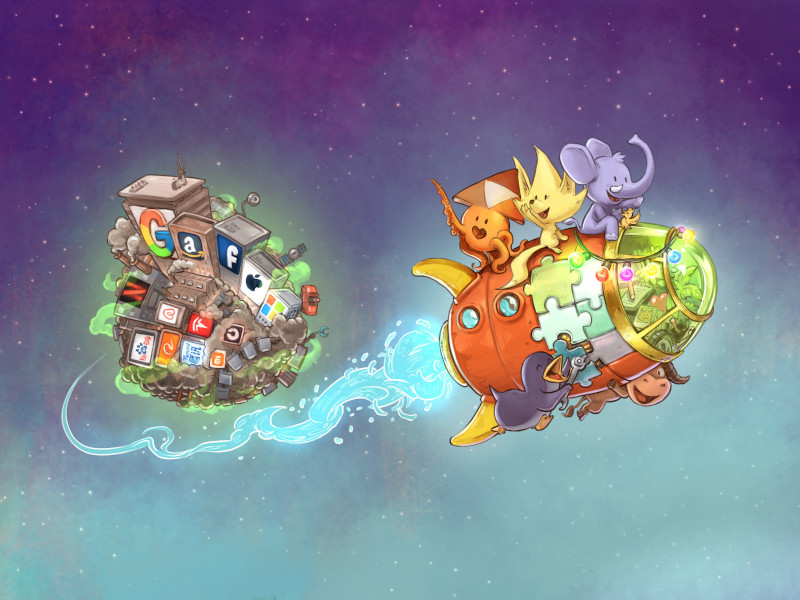
The web giants centralize our digital lives in exchange for their services The Free Software community offers alternative ethical services The Framasoft network intends to prove itby hosting them
What is a Group Host? - at:// pizza thoughts
Describes an hosting pattern for Atmospheric Group accounts, including group creation and app authorization flows
Cooperative Data Centers: Lessons from GAD eG | Platform Cooperativism Consortium
Tara Merk’s report uses GAD eG to show that power in AI does not sit only in data or code. It also sits in the buildings, servers, energy contracts, and ownership structures that decide who gets to…
The ecosystem is moving
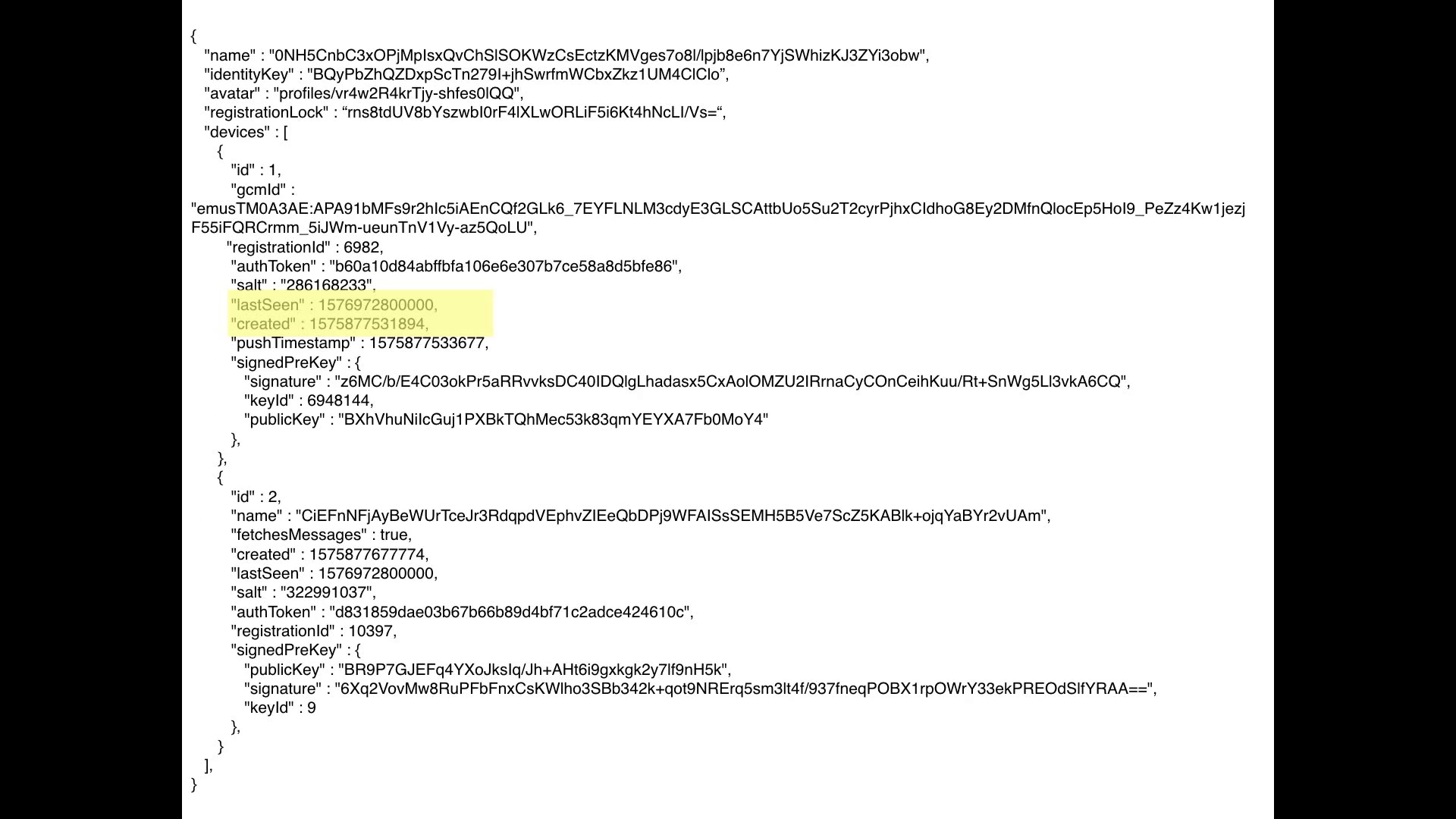
Considerations for distributed and decentralized technologies from the perspective of a product that many would like to see decentralize....
The Society for Worldwide Interbank Financial Telecommunication (SWIFT): Cooperative governance for network innovation, standards, and community
A PDF version of this book is available for free in open access via www.tandfebooks.com as well as the OAPEN Library platform, www.oapen.org. It has been made available under a Creative Commons Attribution-Non Commercial-No Derivatives 3.0 license and is part of the OAPEN-UK research project. This book traces the history and development of a mutual organization in the financial sector called SWIFT, the Society for Worldwide Interbank Financial Telecommunication. Over the last forty years, SWIFT has served the financial services sector as proprietary communications platform, provider of products and services, standards developer, and conference organizer ("Sibos"). Founded to create efficiencies by replacing telegram and telex (or ‘wires’) for international payments, SWIFT now forms a core part of the financial services infrastructure. It is widely regarded as the most secure trusted third party network in the world serving 212 countries and over 10,000 banking organizations, securities institutions and corporate customers. Through every phase of its development, SWIFT has maintained the status of industry cooperative thus presenting an opportunity to study broader themes of globalization and governance in the financial services sector. In this book the authors focus on how the design and current state of SWIFT was influenced by its historical origins, presenting a comprehensive account in a succinct form which provides an informative guide to the history, structure, activities and future challenges of this key international organization. This work will be of great interest to students and scholars in a wide range of fields including IPE, comparative political economy, international economics, business studies and business history.

Top 5 Limitations of Google BeyondCorp | Twingate
Google BeyondCorp pioneered Zero Trust at scale—but it was built for Google. Here are the top 5 limitations for organizations trying to apply it themselves.

The promise of ATproto is social media without corporate overlords | The Web Dev Podcast Series 1
Developers building apps on ATproto, the technology behind social media apps like Bluesky and Leaflet, are promising us a future where we own our content and aren’t at the whims of a tiny handful of companies. Software engineer Zeu Capua talks to host Jason Lengstorf about the promise of social media where we can actually own our own data.

Meet the People Building Their Own Internet in Detroit
Oxide Computer Company
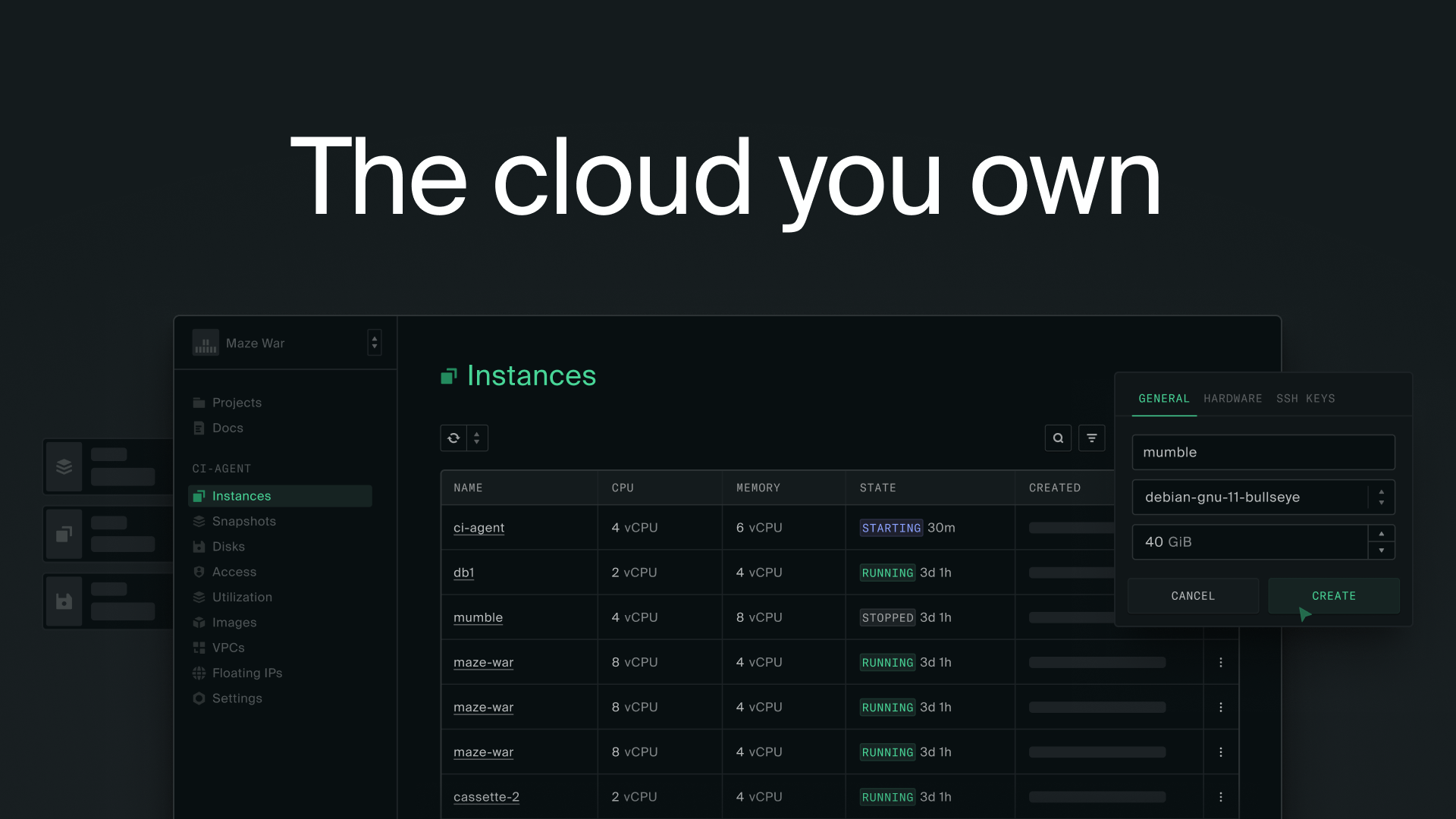
The cloud you own. Hardware, with the software baked in, for running infrastructure at scale.
A decentralized web would give power back to the people online | TechCrunch
Recently, Google launched a video calling tool (yes, another one). Google Hangouts has been sidelined to Enterprise, and Google Duo is supposed to be the

Building the Open Internet - Gnosis
In an era where technology increasingly divides rather than unites, Gnosis stands at the intersection of possibility and purpose. What began as a prediction market in 2015 has evolved into the backbone of decentralized finance and now emerges as something far more revolutionary: the architect of a truly open internet.

