

QUIC API for Peer-to-peer Connections
This document defines a set of ECMAScript APIs in WebIDL to allow data to be sent and received from another browser or device implementing the QUIC protocol. The specification for multiplexing of QUIC with STUN/TURN/ZRTP/DTLS/RTP/RTCP [[RFC9443]] was developed within the IETF AVTCORE Working Group.
Media over QUIC
Media over QUIC is a new live media protocol designed for simplicity and scale. It uses new browser technologies like WebTransport and WebCodecs to deliver media with latency that rivals WebRTC.

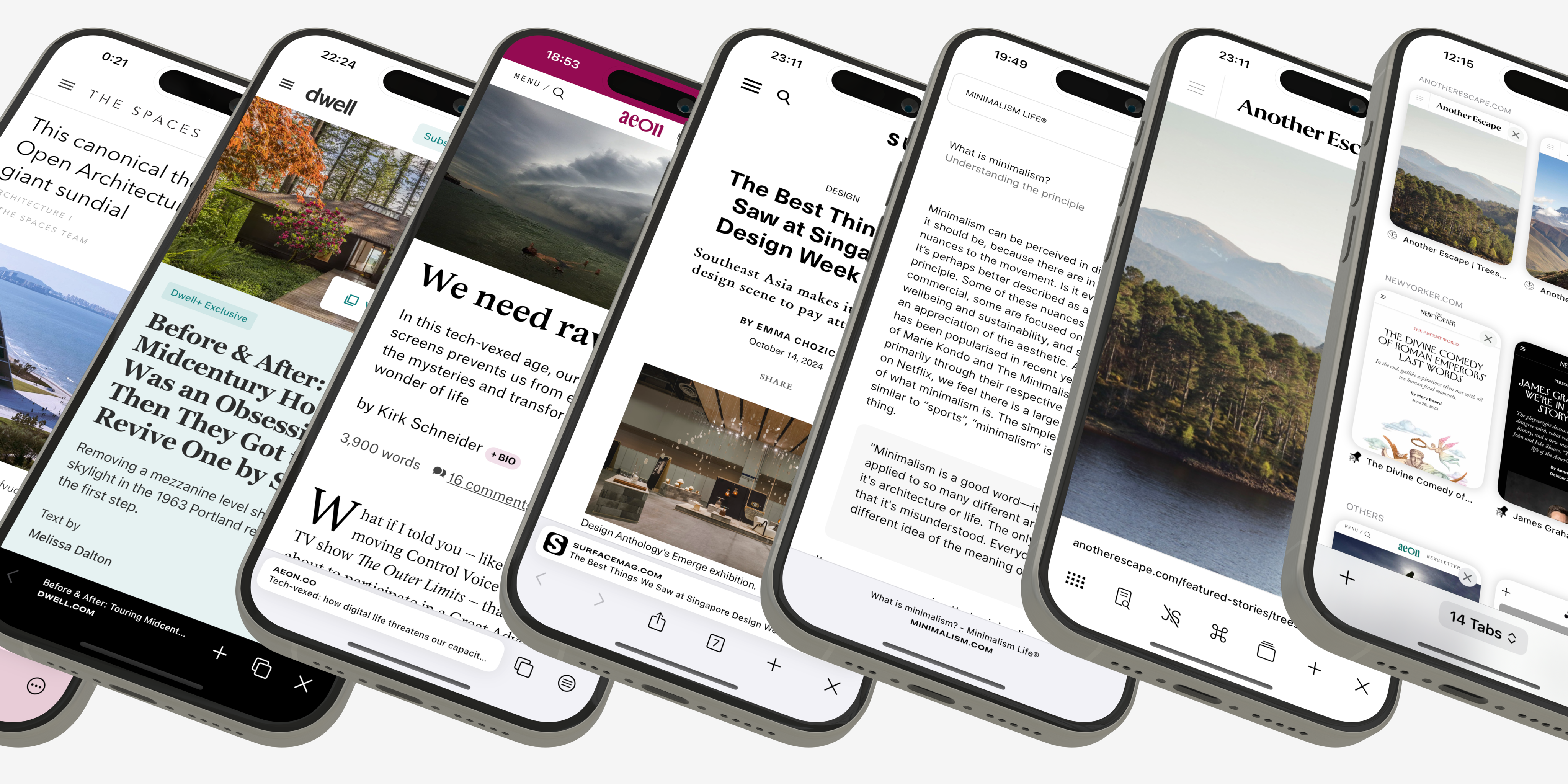
Quiche Browser — Beautifully customizable web browser
An independent, private, and transparent browser built by a passionate maker. Thoughtfully designed customization options and quality-of-life improvements without sacrificing ease of use. Established browsers can’t compare.

Some notes about HTTP/3
HTTP/3 is going to be standardized. As an old protocol guy, I thought I'd write up some comments. Google (pbuh) has both the most popular ...
Filling the remaining gap between WebSocket, WebRTC and WebTranspor
Existing web platform facilities for network communication include WebSocket and WebRTC. Each mandates a specific protocol, ensures TLS, and respects the Same Origin Policy. The proposed WebTransport is similar in these respects.
A p2p Vision for QUIC
Using QUIC to achieve everything needed for NAT traversal, from address discovery to proxying UDP
Media over QUIC Transport
This document defines Media over QUIC Transport (MOQT), a publish/ subscribe protocol that runs over QUIC and WebTransport. MOQT leverages the features of these transports, such as streams, datagrams, priorities, and partial reliability. MOQT operates both point-to-point and through intermediate relays, enabling scalable low-latency delivery. Despite its name, MOQT is media agnostic and can be used for a wide range of use cases.

Media over QUIC Overview
This document provides a high-level overview of the Media over QUIC (MoQ) protocol suite. It describes the architecture, data model, transport protocol, streaming formats, and security mechanisms that together enable scalable low-latency media delivery over the Internet. The document explains how these components relate to each other and how they are composed to create interoperable media applications.
Protocol Handler Registration via Browser Extensions – make everything intensely
Custom URL schemes have traditionally served as an integration bridge between the browser and external capabilities. Schemes such as mailto: and tel: allow navigation to trigger actions beyond ordinary HTTP resource retrieval. The HTML Standard formalizes this mechanism through the Custom Scheme Handlers API, which enables websites to register themselves as handlers for specific URL schemes.
savearoundtrip
Publish an HTTPS DNS record. Let browsers reach HTTP/3 on the first connection instead of wasting a round trip.
HTTP/3 From A To Z: Core Concepts — Smashing Magazine
After almost five years in development, the new HTTP/3 protocol is nearing its final form. Earlier iterations were already available as an experimental feature, but you can expect the availability and use of HTTP/3 proper to ramp up over in 2021. So what exactly is HTTP/3? Why was it needed so soon after HTTP/2? How can or should you use it? And especially, how does it improve web performance? Let’s find out.
WebTransport | Can I use... Support tables for HTML5, CSS3, etc
"Can I use" provides up-to-date browser support tables for support of front-end web technologies on desktop and mobile web browsers.
Mozilla Debuts Implementation of WebThings Gateway Open Source Router Firmware - Slashdot
An anonymous reader shares a report: For the better part of two years, the folks at Mozilla have been diligently chipping away at Mozilla WebThings, an open implementation of the World Wide Web Consortium's (W3C) Web of Things standard for monitoring and controlling connected devices. In April, it g...

Paul Klein IV on Twitter / X
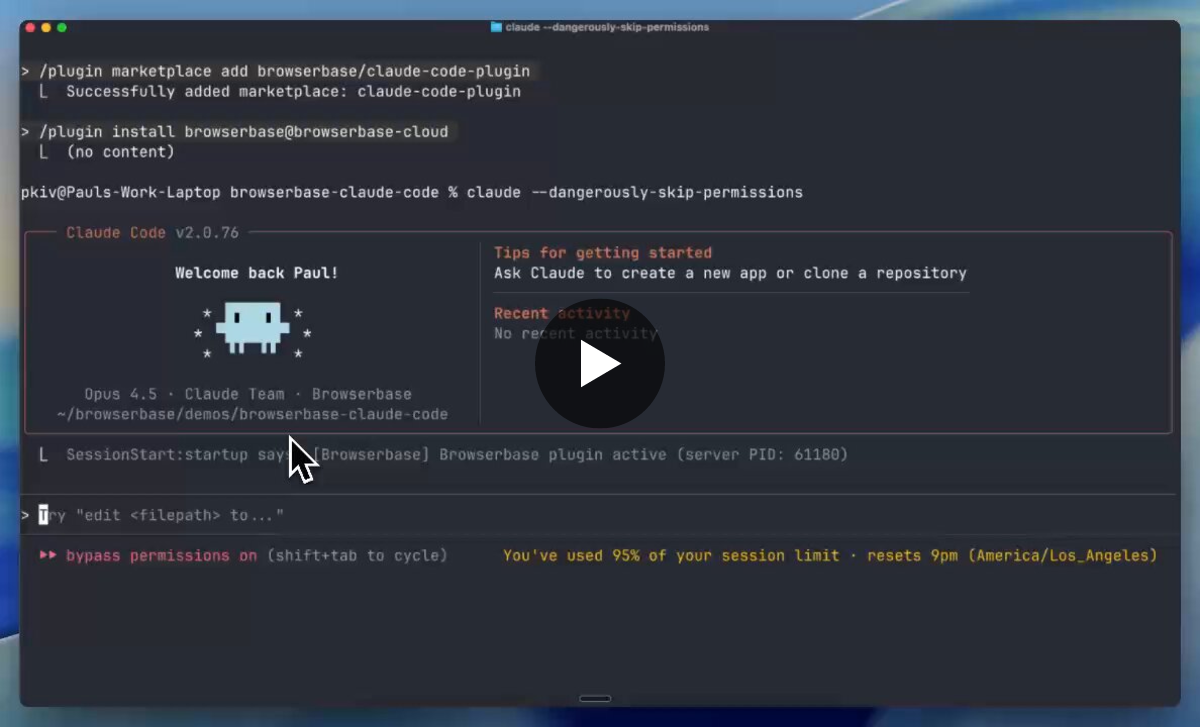
I spent all of Christmas reverse engineering Claude Chrome so it would work with remote browsers. Here's how Anthropic taught Claude how to browse the web (1/7) pic.twitter.com/kBJA1DUWxA— Paul Klein IV (@pk_iv) December 29, 2025
Important piece of multi-protocol support in browsers! Thanks to much work from Javi, and funding from @ipfs.tech. HEY NOW, settle down - a ways to go: - can only redirect to URLs/paths - no Safari - off by default in Chrome (for now) - only allow-listed schemes unprefixed Step by step...

Javier Fernandez
Blog post about a new Chromium feature I've been working on to allow Web Extensions register protocol handlers just declaring them in the Manifest. blogs.igalia.com/jfernandez/2026/03/24/protoco…
