


GitHub - jarrodwatts/claude-hud: A Claude Code plugin that shows what's happening - context usage, active tools, running agents, and todo progress
A Claude Code plugin that shows what's happening - context usage, active tools, running agents, and todo progress - jarrodwatts/claude-hud
Forestwalk Timberline Demo – May 2025


Learn Go by Building a Command Line Todo App | Barbarian Meets Coding
Learn the Go programming language by building a test-driven command line todo application

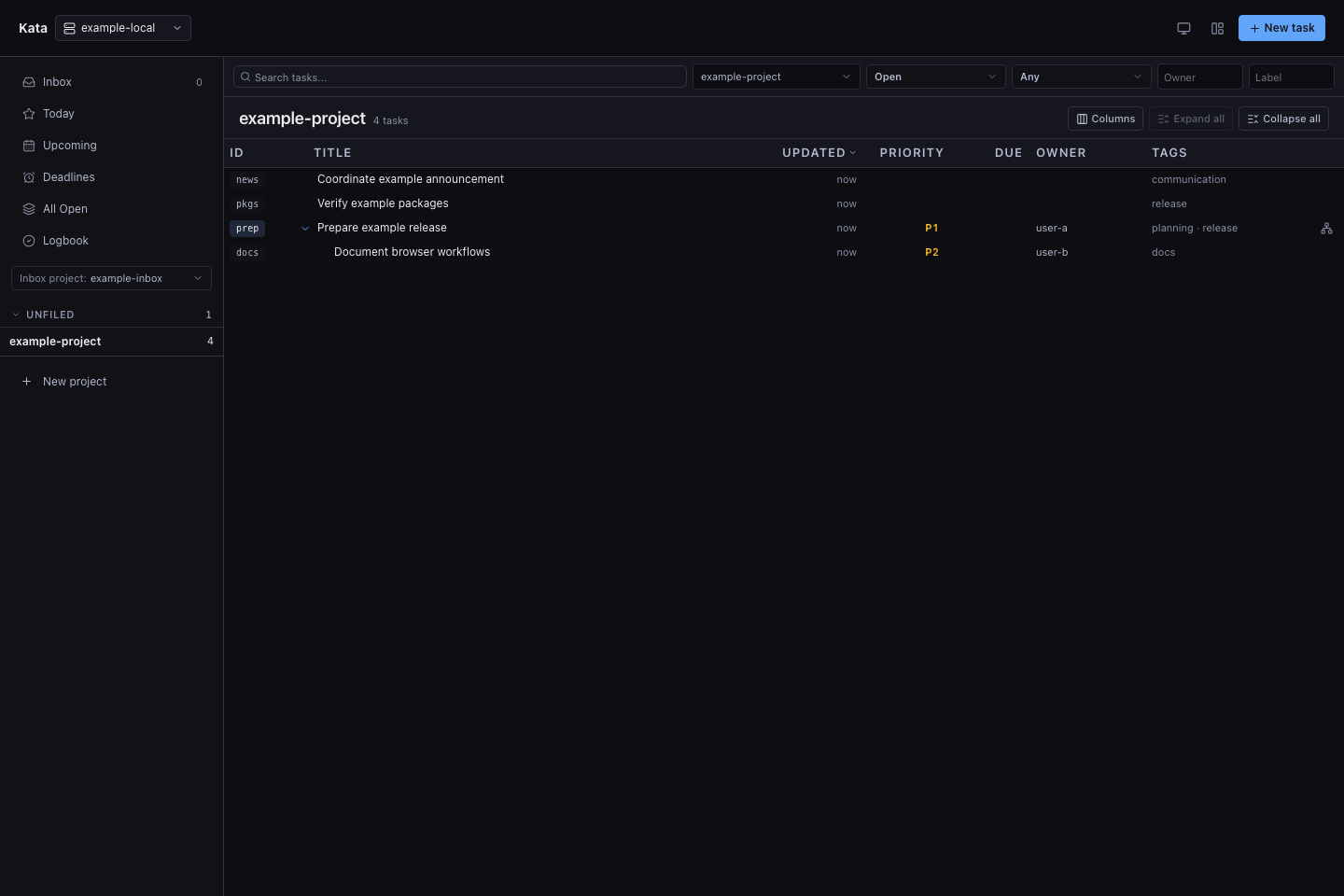
The issue tracker that runs inside the loop.
A local-first issue tracker for coding agents and the humans steering them. Queries in 4ms, on your own machine.
Build tools around workflows, not workflows around tools | thesephist.com
This March, I spent a couple of days traveling through western Iceland.
Go in Action
This book provides an intensive, comprehensive, and idiomatic view of Go. It introduces the Go language, guiding you from inquisitive developer to Go guru.

Agent experience: How to design products that agents can actually use — WorkOS
What engineers and founders need to know about designing APIs, tools, and interfaces for agent-driven workflows
Evaluating AGENTS.md: Are Repository-Level Context Files Helpful for Coding Agents?
A widespread practice in software development is to tailor coding agents to repositories using context files, such as AGENTS.md, by either manually or automatically generating them. Although this practice is strongly encouraged by agent developers, there is currently no rigorous investigation into whether such context files are actually effective for real-world tasks. In this work, we study this question and evaluate coding agents' task completion performance in two complementary settings: established SWE-bench tasks from popular repositories, with LLM-generated context files following agent-developer recommendations, and a novel collection of issues from repositories containing developer-committed context files. Across multiple coding agents and LLMs, we find that context files tend to reduce task success rates compared to providing no repository context, while also increasing inference cost by over 20%. Behaviorally, both LLM-generated and developer-provided context files encourage broader exploration (e.g., more thorough testing and file traversal), and coding agents tend to respect their instructions. Ultimately, we conclude that unnecessary requirements from context files make tasks harder, and human-written context files should describe only minimal requirements.

Working Minds: A Practitioner's Guide to Cognitive Task Analysis
How to collect data about cognitive processes and events, how to analyze CTA findings, and how to communicate them effectively: a handbook for managers, tr
21 Productivity Hacks I’ve Picked Up Over the Years
A thorough list of practical productivity methods I've used and refined over the last 16 years.

Context Engineering Guide – Nextra
A Comprehensive Overview of Prompt Engineering