

Haven is for people who need a way to protect their personal areas and possessions without compromising their privacy. It is an Android application that leverages on-device sensors to provide monitoring and protection of physical areas. Haven turns any Android phone into a motion, sound, vibration and light detector, watching for unexpected guests and unwanted intruders. We designed Haven for investigative journalists, human rights defenders and people at risk of forced disappearance to create a new kind of herd immunity. By combining the array of sensors found in any smartphone, with the world’s most secure communications technologies, like Signal and Tor, Haven prevents the worst kind of people from silencing citizens without getting caught in the act.
Opinion | The Internet of Way Too Many Things (Published 2015)
You may be able to get your phone to project bright colors if your window sensor detects a burglar, but what is protecting you from your phone?

Mission Impossible: Hardening Android for Security and Privacy | Tor Project
Updates: See the Changes section for a list of changes since initial posting. This post has been...

How to secure your phone before attending a protest
Here are some privacy measures you can take

How to protect your phone and data privacy at the US border
With reports of people being turned away at airports over messages found on devices, here’s what to do to minimize risks

“Get Off My Lawn” Goes Digital
Home surveillance apps like Ring and community social networks like Nextdoor aren't making anyone safer. They're allowing paranoid jerks to harass their neighbors.
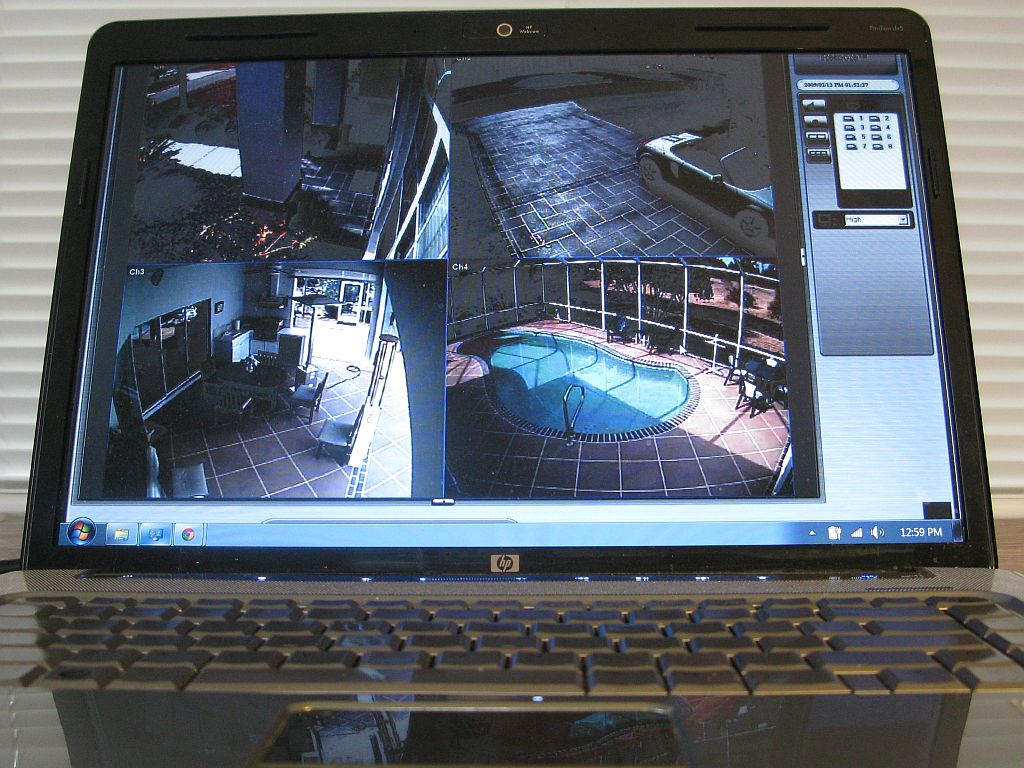
Taiwan's new 'electronic fence' for quarantines leads wave of virus monitoring
Taiwan, which has won global praise for its effective action against the coronavirus, is rolling out a mobile phone-based "electronic fence" that uses location-tracking to ensure people who are quarantined stay in their homes.

The Gyroscopes in Your Phone Could Let Apps Eavesdrop on Conversations
In the age of surveillance paranoia, most smartphone users know better than to give a random app or website permission to use their device’s microphone. But researchers have found there’s another, little-considered sensor in modern phones that can also listen in on their conversations. And it doesn’t even need to ask. In a presentation at \[…\]

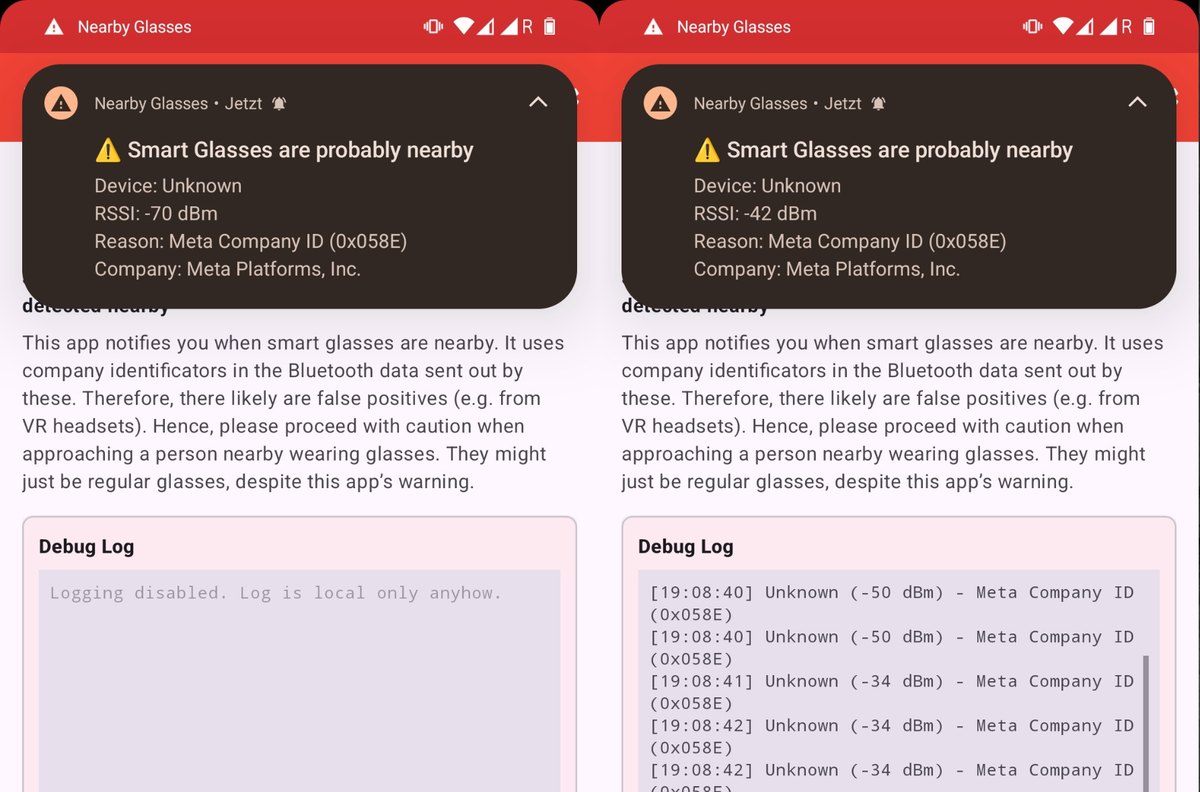
This App Warns You if Someone Is Wearing Smart Glasses Nearby
The creator of Nearby Glasses made the app after reading 404 Media's coverage of how people are using Meta's Ray-Bans smartglasses to film people without their knowledge or consent. “I consider it to be a tiny part of resistance against surveillance tech.”
Improve device security with Advanced Protection for Android - Android Help
When you turn on Advanced Protection, you get the strongest security and privacy features to protect you and your device against online attacks, harmful apps, and data risks. This feature offers seve
Why Privacy Matters Even if You Have ‘Nothing to Hide’
What’s the problem with ubiquitous surveillance? Don’t think Orwell; think Kafka.

Why Privacy Matters Even if You Have ‘Nothing to Hide’
What’s the problem with ubiquitous surveillance? Don’t think Orwell; think Kafka.
A Surveillance Net Blankets China’s Cities, Giving Police Vast Powers (Published 2019)
The authorities can scan your phones, track your face and find out when you leave your home. One of the world’s biggest spying networks is aimed at regular people, and nobody can stop it.

Redditors ask, Cybernews answers: Can you really “deGoogle” your Android?
Step-by-step guide to Android privacy. Cybernews provides tips on how to stop tracking, limit Google data collection, deGoogle Samsung devices, and reduce app surveillance.
Japan police panel urges remote phone analysis to fight anonymous crime groups
TOKYO -- A Japan police advisory panel has proposed the early introduction of remote analysis of smartphones used by anonymous, fluid crime groups, de

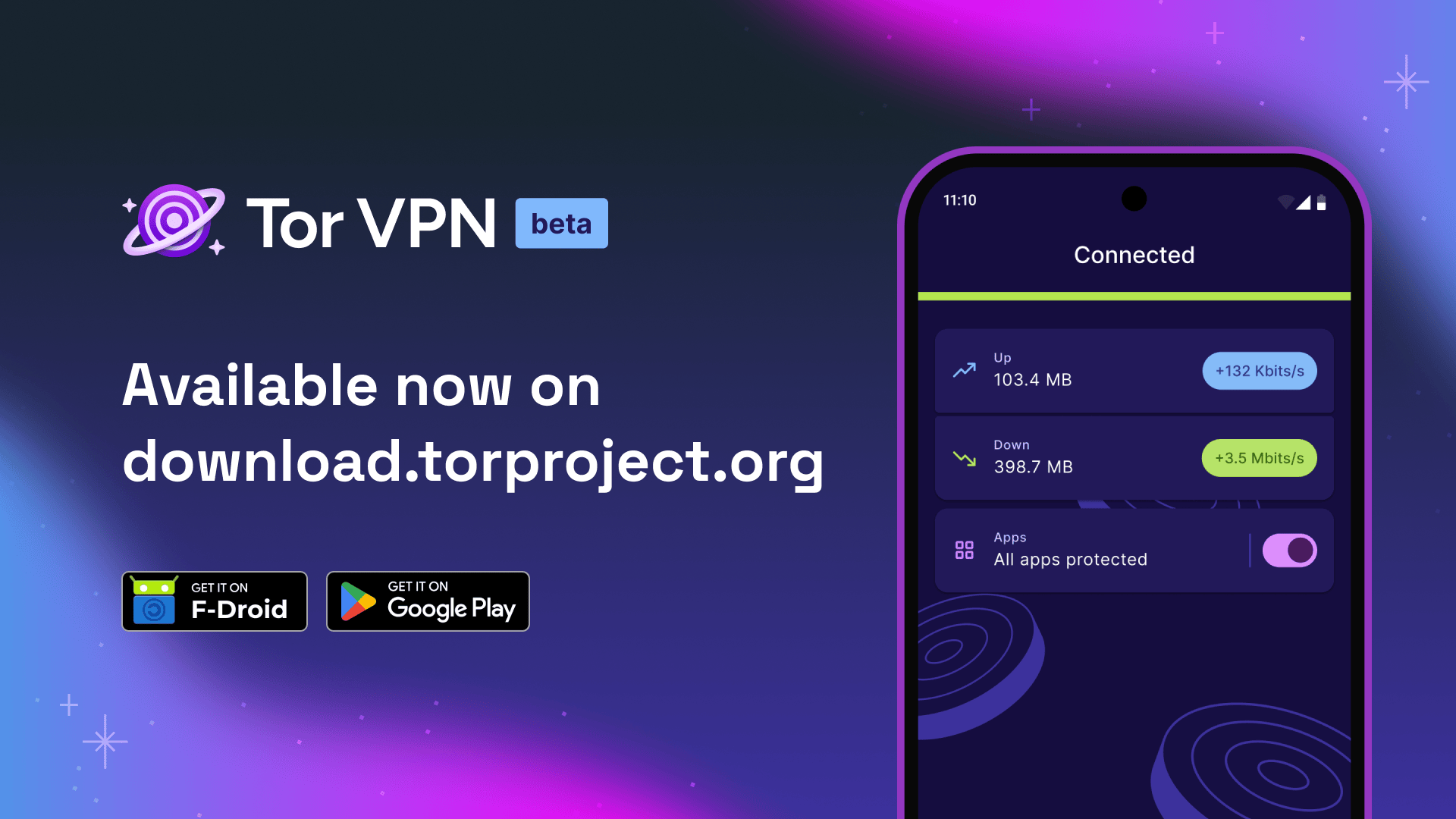
Tor VPN Beta: What we've learned building our own VPN for Android from scratch | Tor Project
Last fall, we soft-launched Tor VPN Beta as a way to extend Tor's privacy protections beyond the browser to an entire Android device. Since then, we've been able to learn from how people are actually using it in real-world scenarios. This post walks through what makes our per-app circuit isolation different from commercial VPNs, the surprising UX lesson when trying to bypass blocks, and the mobile foundation we're building for what's next.
Signal Alums Reveal ‘Encrypted Spaces,’ a System for Making Private Collaboration Apps
The new open-source project could serve as the basis for a future of apps with features as complex as Slack, Discord, or Google Docs—but with added protection against surveillance.
