


Do you already have a Product-Market Fit (PMF)? I've been hearing it more and more lately, the question of whether someone has a PMF yet. Maybe you're already familiar with the term, you already have it or you just want to know how to get it… I'm going to explain to you: What a Product-Market Fit (PMF) is How to…
Revenue Models (2026): 19 Different Ways to Make Money [B2B & B2C] - Gust de Backer
So many different revenue models... But, which one fits your business? Over the past few decades, many new revenue models have proven to be profitable. That's why I'm going to show you 16 different revenue models so you can evaluate if there might be a better way to monetize the value you deliver to your customer. Let's start... What is…

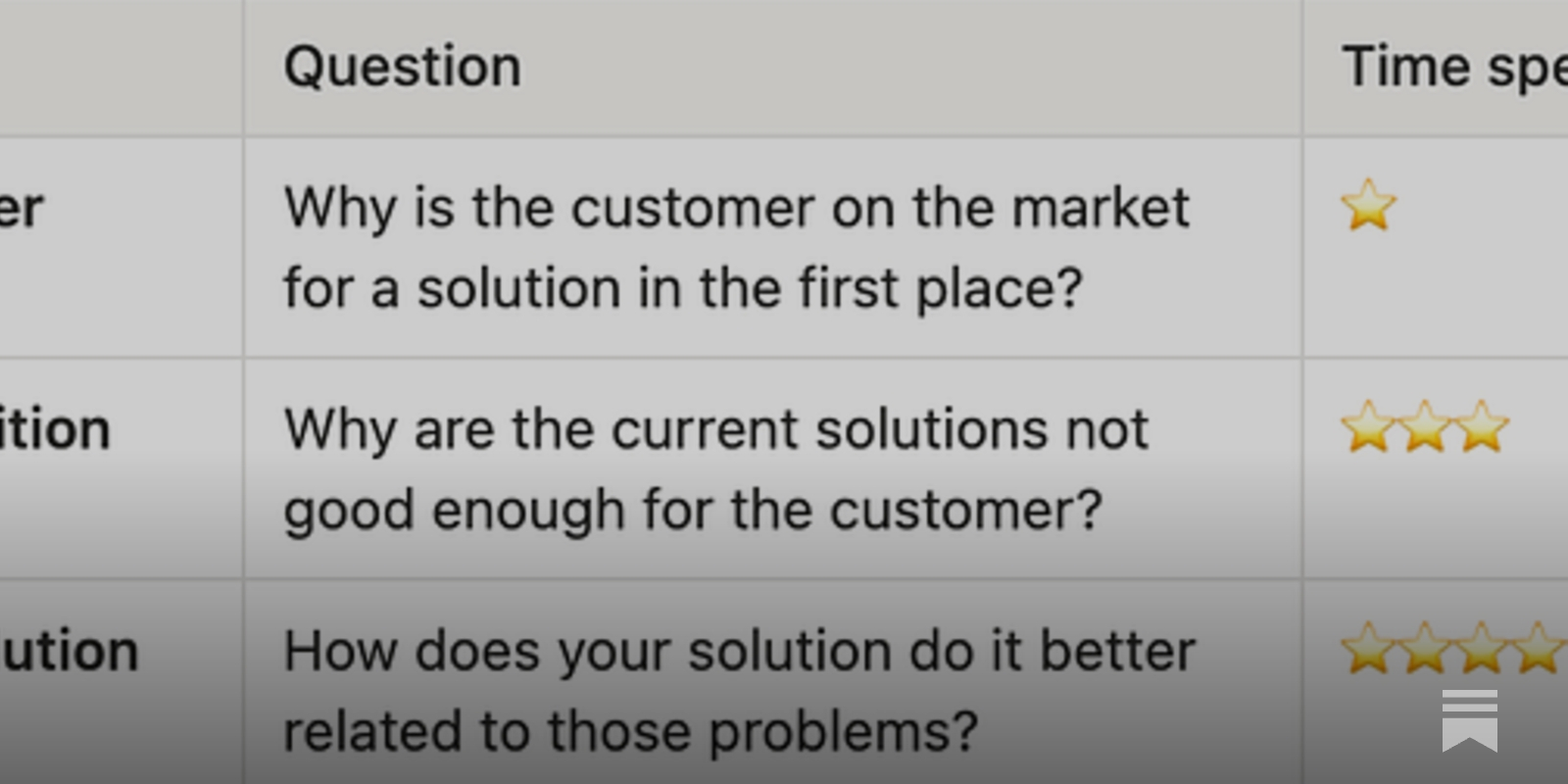
Three questions any founders should be able to answer
Stress test your product-market fit with these three simple questions
The Phases Product Teams Go Through, From Product/Market Fit to Hypergrowth
Former Credit Karma CPO Nikhyl Singhal shares the phases a product org goes through as a startup matures — and his tips for transitioning between them gracefully. From the mistakes that are too easy to make to what to look for when hiring, his playbook helps founders and product leaders build teams capable of finding product/market fit and handling hypergrowth.

Feature / Product / Business: A Framework for Sustainable ATProto Projects | ATmosphereConf VODs
The ATProto community built a ton of great features and products over the past year! For our next trick, let's mature them into products and businesses. In this talk, you'll get a practical framework for understanding whether what you're building should be a feature, product, or business, plus concrete funding models at each layer to keep your work going and growing. (More in this thread: https://bsky.app/profile/mosh.bsky.social/post/3mckiat2ne22q)
AIDA model | Marketing | Research Starters | EBSCO Research
<p>The AIDA model is a marketing framework that outlines the stages consumers typically go through when making a purchasing decision: Attention, Interest, Desire, and Action. Developed in the late 19th century by American marketer Elias St. Elmo Lewis and later refined by Edward Strong in the 1920s, this model aims to guide marketers in capturing potential buyers' attention and leading them toward a purchase. </p> <p>In the Attention stage, marketers employ engaging strategies to attract consumers, often using eye-catching visuals or intriguing information. Next, the Interest stage focuses on maintaining that attention through memorable content or relatable messaging. The Desire stage demonstrates how a product or service fulfills the consumer's needs, often using persuasive techniques like testimonials or demonstrations. Finally, the Action stage prompts the consumer to make a purchase, providing clear instructions on how to proceed.</p> <p>While the AIDA model remains relevant, marketers today may adapt it to incorporate new elements, such as Retention or Satisfaction, reflecting the evolving digital landscape and consumer behavior. Overall, the AIDA model serves as a foundational tool for understanding consumer engagement and facilitating effective marketing strategies.</p>

Search, Discovery, Pills, and Portals
Solving the distribution crisis in marketing

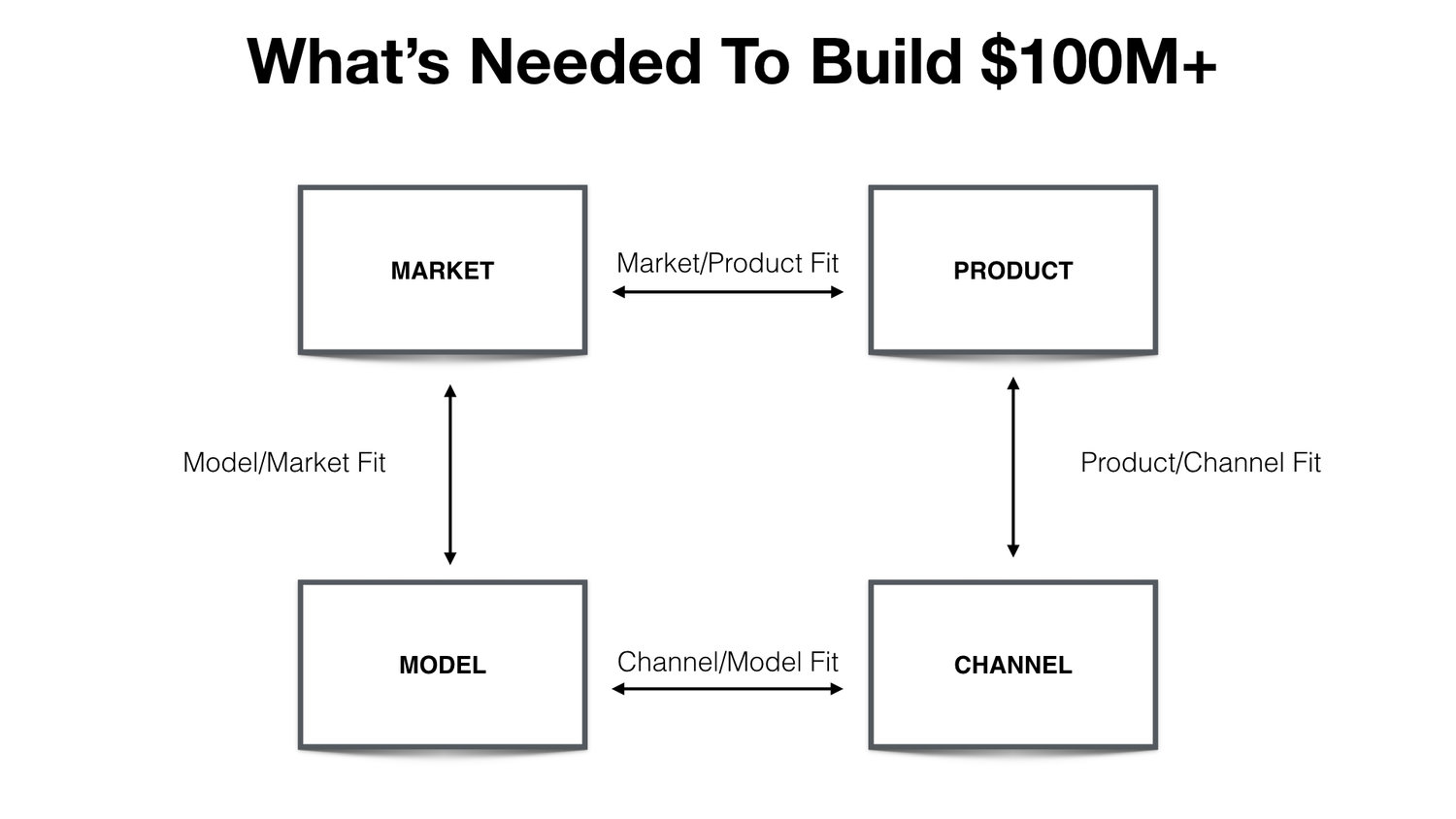
Why Product Market Fit Isn't Enough — Brian Balfour
I’ve been lucky to have been part of building, advising, or investing in 40+ tech companies in the past 10 years. Some $100M+ wins. Some, complete losses. Most end up in the middle. One of my main observations is that there are certain companies where growth seems to come easily, like gui
I think Anthropic and OpenAI have found product-market fit
Anthropic are strongly rumored to be about to have their first profitable quarter. Stories are circulating of companies surprised at how expensive their LLM bills are becoming from usage by …
I think Anthropic and OpenAI have found product-market fit
Anthropic are strongly rumored to be about to have their first profitable quarter. Stories are circulating of companies surprised at how expensive their LLM bills are becoming from usage by …
Purchasing Power Parity: fair pricing for your SaaS product
Developer, writer, indie hacker · 📍 Montreal, QC

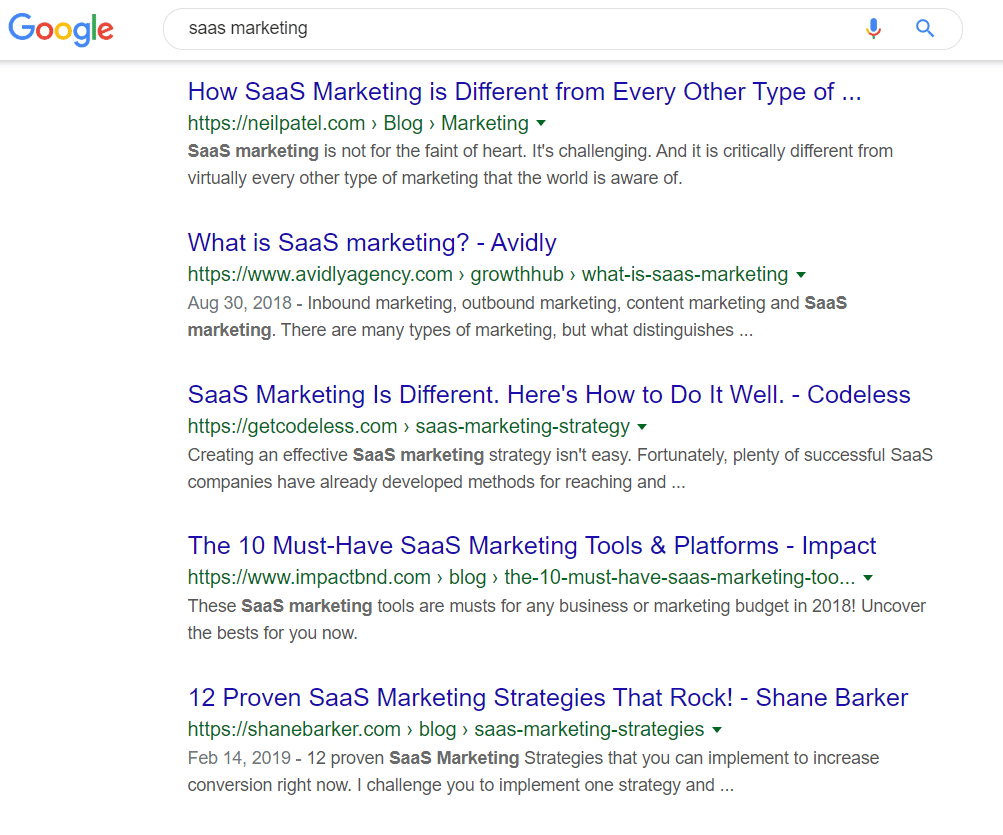
SaaS Marketing: 41+ Strategies That Work | Apollo Digital
What SaaS marketing really is, plus 41+ strategies that grow MRR: SEO, content, product-led growth, and the channels worth your budget. A practical playbook.
How Superhuman Built an Engine to Find Product/Market Fit
Superhuman founder and CEO Rahul Vohra walks us through the framework his startup used to make product/market fit more actionable, detailing the survey and four-step process that were key to measuring and optimizing it.

The Startup Marketing Checklist
I tried dozens of side projects before starting Draft.dev, and now I’ve worked with hundreds of early-stage startups and established enterprises to help with growth marketing. So, a lot of founders ask me how to get started in marketing when your marketing budget is small and your product is new. I created this list to […]
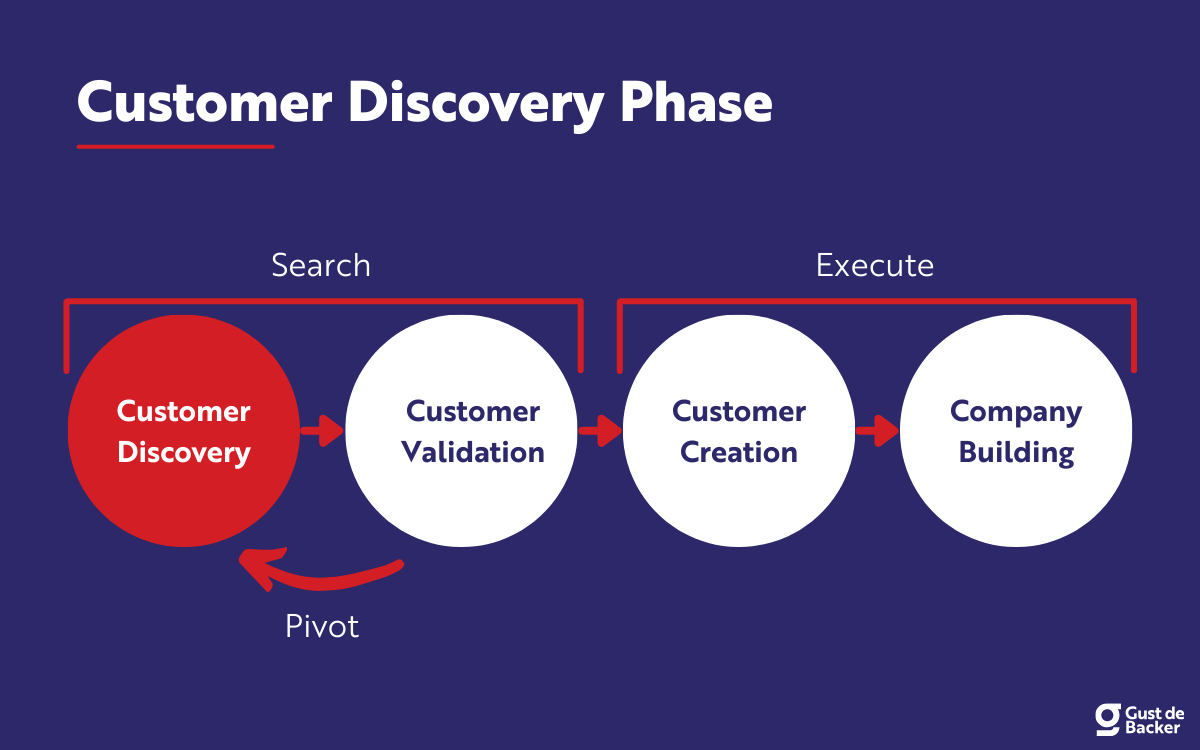
Customer Discovery: in 4 steps from Idea to Validated Product [Guide] - Gust de Backer
You have an idea for a business. But... You don't want to build a business based on assumptions. Instead, you want to build a business based on validated assumptions so you're not just going to throw money away. I'm going to explain to you how the Customer Discovery phase of the Customer Development Process can be used to validate your…
goabstract/Marketing-for-Engineers
A curated collection of marketing articles & tools to grow your product.
My love letter to the atproto community, a talk called "Feature / Product / Business" at @atmosphereconf.org. Slides: ipfs.io/ipfs/bafybeigwhlbvuvlz5fnvw3i… Recording: atmosphereconf-vods.wisp.place/videos/feature-product-busine…
