
FlyWeb is an experimental project we’ve been prototyping from within the depths of Mozilla’s platform division. It started as a side-project late last year, and since then a small, ad-hoc ...
Introducing the Dweb – Mozilla Hacks - the Web developer blog
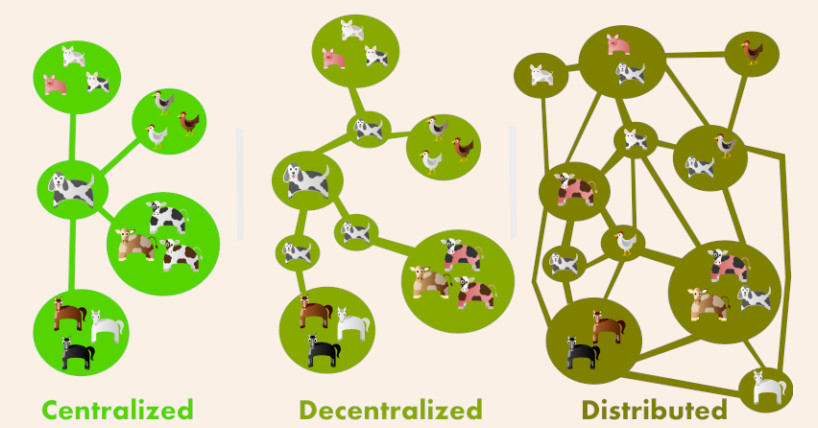
This is the first post in a series about the distributed/decentralized web, introducing projects that cover social communication, online identity, file sharing, new economic models, as well as high-level application ...
Progress report on cross-platform Open Web Apps – Mozilla Hacks - the Web developer blog
Here in the Hacks blog we've written a lot about building apps for Firefox OS using HTML, JS, and CSS. We're working to ensure that those same apps can also ...
An Update on Web Components and Firefox – Mozilla Hacks - the Web developer blog
Web Components is an umbrella term for four technologies that aim to make UI development easier and more modular. It has been in development since about 2011: a very long ...
WebAssembly Browser Preview – Mozilla Hacks - the Web developer blog
Since the last WebAssembly milestone we reached in March, we’ve been hard at work in the WebAssembly Community Group to define a standard and to implement that standard in our ...
Exploring Collaboration and Communication with Mozilla Hubs – Mozilla Hacks - the Web developer blog
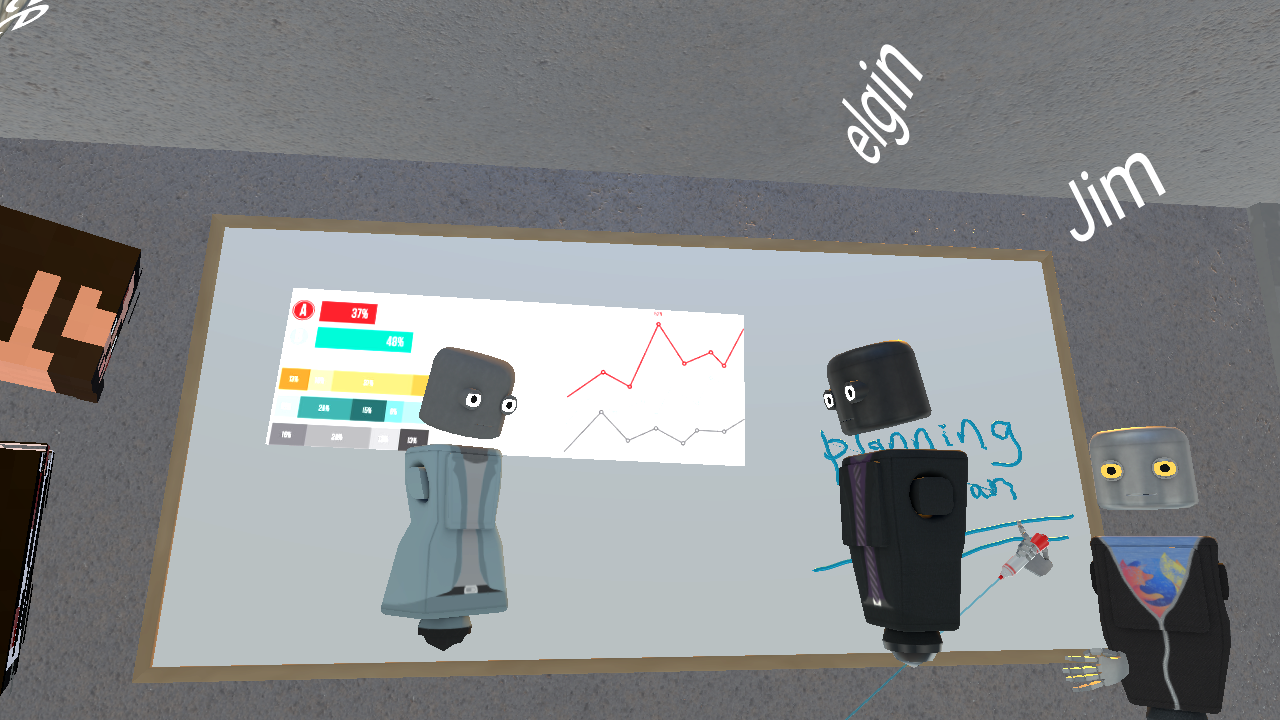
As we look at advancements in mixed reality like the WebXR API, we are able to explore ways to feel more present with others through technology. Hubs by Mozilla is ...
Mozilla Debuts Implementation of WebThings Gateway Open Source Router Firmware - Slashdot
An anonymous reader shares a report: For the better part of two years, the folks at Mozilla have been diligently chipping away at Mozilla WebThings, an open implementation of the World Wide Web Consortium's (W3C) Web of Things standard for monitoring and controlling connected devices. In April, it g...

Dweb: Serving the Web from the Browser with Beaker – Mozilla Hacks - the Web developer blog
Publishing and sharing is core to the Web’s ethos, yet to publish your own website or even just share a document, you need to know how to run a server, ...

The state of Web Components – Mozilla Hacks - the Web developer blog
Web Components have been on developers' radars for quite some time now. They were first introduced by Alex Russell at Fronteers Conference 2011. The concept shook the community up and ...
Using WebAPIs to make the web layer more capable – Mozilla Hacks - the Web developer blog
Part of making both Firefox OS and the web as a platform a stronger layer and alternative for developers, we are working on a number of WebAPIs. I'd like to ...
Make the Web Work For Everyone – Mozilla Hacks - the Web developer blog
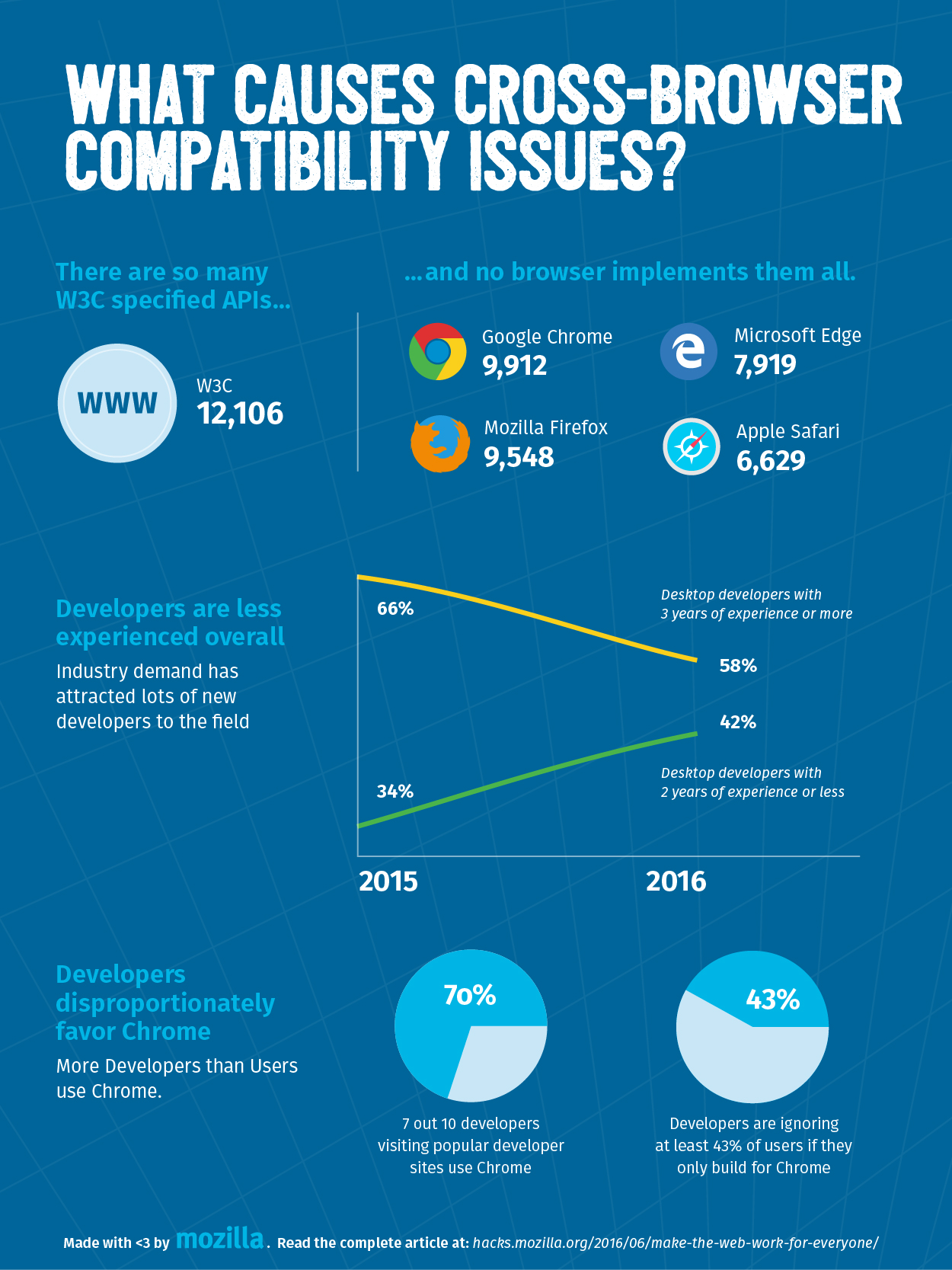
Updated 2016/07/22: Commenters found a few data errors (thanks!) which have now been corrected. Millions of websites have compatibility problems on one or more of the major browsers, leading to ...
WebAssembly’s post-MVP future: A cartoon skill tree – Mozilla Hacks - the Web developer blog
People have a misconception—they think that the WebAssembly that landed in browsers back in 2017—is the final version. In fact, we still have many use cases to unlock, from heavy-weight ...

Speed Up App Development with X-Tag and Web Components – Mozilla Hacks - the Web developer blog
In the last few years we've witnessed an evolution in what 'app' means to both developers and consumers. The word app evokes the idea of a rich, task-oriented user experience ...
Firefox OS Building Blocks to the rescue – Mozilla Hacks - the Web developer blog
Some months ago we started thinking how could we reuse visual components inside Firefox OS, both to help designers create new apps in a consistent way and also to help ...
A cartoon intro to WebAssembly – Mozilla Hacks - the Web developer blog
WebAssembly is a way of taking code written in programming languages other than JavaScript and running that code in the browser. So when people say that WebAssembly is fast, what ...
Firefox Delivers 3D Gaming, Video Calls and File Sharing to the Web | The Mozilla Blog
Rich activities like games and video calls were some of the last remaining challenges to prove that the Web is a capable and powerful platform for complex