


Have you ever noticed that in Twitter, Facebook, Google and Pinterest some links are displayed quite fancily, with preview images, descriptive text summaries and other information? These ...
Moats & Drawbridges - augment
In a world obsessed with moats, the open social web drops drawbridges
On fun simple social building blocks… - Scraps!
Replying to Jared's thoughts on decomposing social media experiences into building blocks (identities, data, interfaces) with some building blocks I'd like to explore in Leaflet!
A few HTML tips – Mozilla Hacks - the Web developer blog
A while ago I wrote an article with some CSS tips, now it’s time to give some polish to our HTML! In this article I’ll share some tips and advice ...
Digital gardens let you cultivate your own little bit of the internet
A growing number of people are creating individualized, creative sites that eschew the one-size-fits-all look and feel of social media
Home | Unplatform
The definitive guide for escaping social media (and joining the indie web.)
Winning back the Open Web
Walled gardens dominate because their massive data collection lets them deliver superior user experiences. To win back the open web, we need to build alternatives that respect users, embrace open standards, and still feel unmistakably better to use.
Break Free From Walled Gardens
Community tools to help you reclaim your content from centralised services.
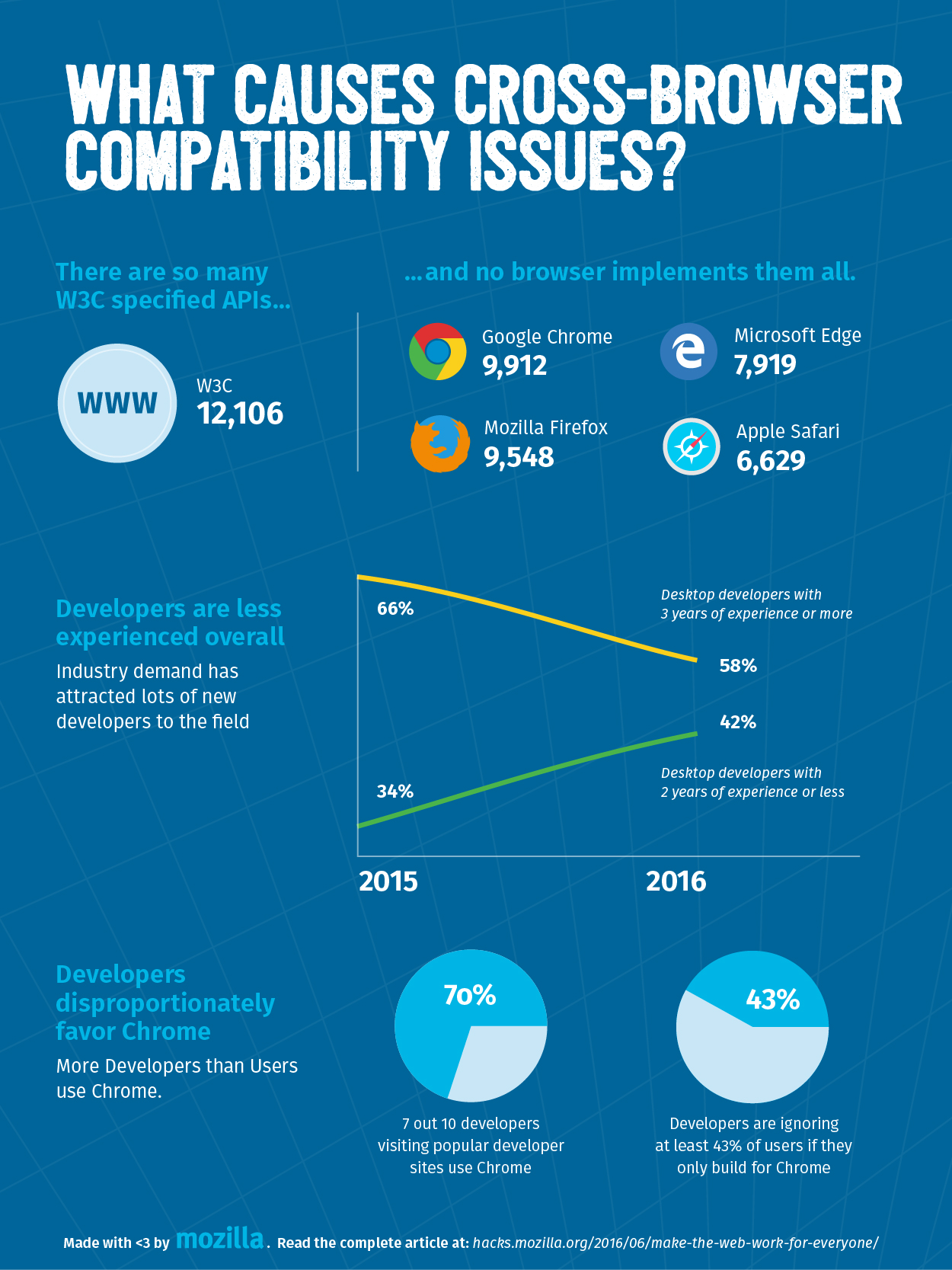
Make the Web Work For Everyone – Mozilla Hacks - the Web developer blog
Updated 2016/07/22: Commenters found a few data errors (thanks!) which have now been corrected. Millions of websites have compatibility problems on one or more of the major browsers, leading to ...
The Feed is the Product: Why We Stay in Walled Gardens, and Why We Might Finally Leave for the Open Social Web - Zsolt's pckt blog
We have known this for years. We have known that the major platforms are bad for our attention, our sleep, our politics, our children, and our sense of reality....
Jared Goering on Twitter / X
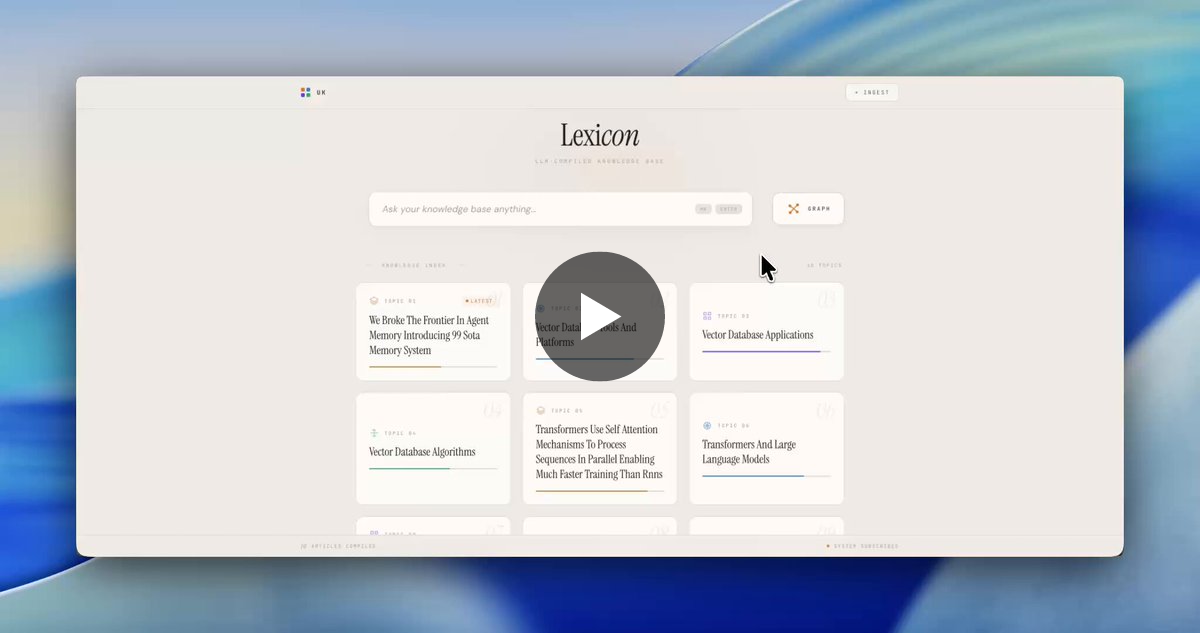
Saw this and immediately built it. Open-sourced the whole thing:Ingest URLs, PDFs, tweets, images → LLM compiles a linked markdown wiki → Q&A with citations, knowledge graph, contradiction linting, auto-research, export to HTML/PDF/slides.Been using it nonstop as a personal… https://t.co/ypaXlEA7pn pic.twitter.com/8Z2DLAyQjH— Jared Goering (@jaredgoering) April 4, 2026
Introducing Brolly; An Idea For The New Web
Less than Half of Google Searches Now Result in a Click - SparkToro
We've passed a milestone in Google's evolution from search engine to walled-garden. In June of 2019, for the first time, a majority of all browser-based

WebAssembly’s post-MVP future: A cartoon skill tree – Mozilla Hacks - the Web developer blog
People have a misconception—they think that the WebAssembly that landed in browsers back in 2017—is the final version. In fact, we still have many use cases to unlock, from heavy-weight ...

The reckless, infinite scope of web browsers
This blog post was published on March 18, 2020. It might be out of date, have broken images or links, or simply contain bad ideas and opinions that didn't stand the test of time. Please read generously!
A new app, HyperTexting, turns the open web into a scrollable social media-like feed | TechCrunch
HyperTexting's new app aims to make the open web feel more like social media by turning websites, blogs, newsletters, and podcasts into a scrollable feed, while also making it easier to post to your own website.
