


There's a big debate in AI right now about what a world model should be. Most of the attention goes to generative world models, which predict the future by generating it, usually in pixels.
Agentic AI gets lost
On the failure of AI to develop world models

Large AI models are cultural and social technologies – Henry Farrell
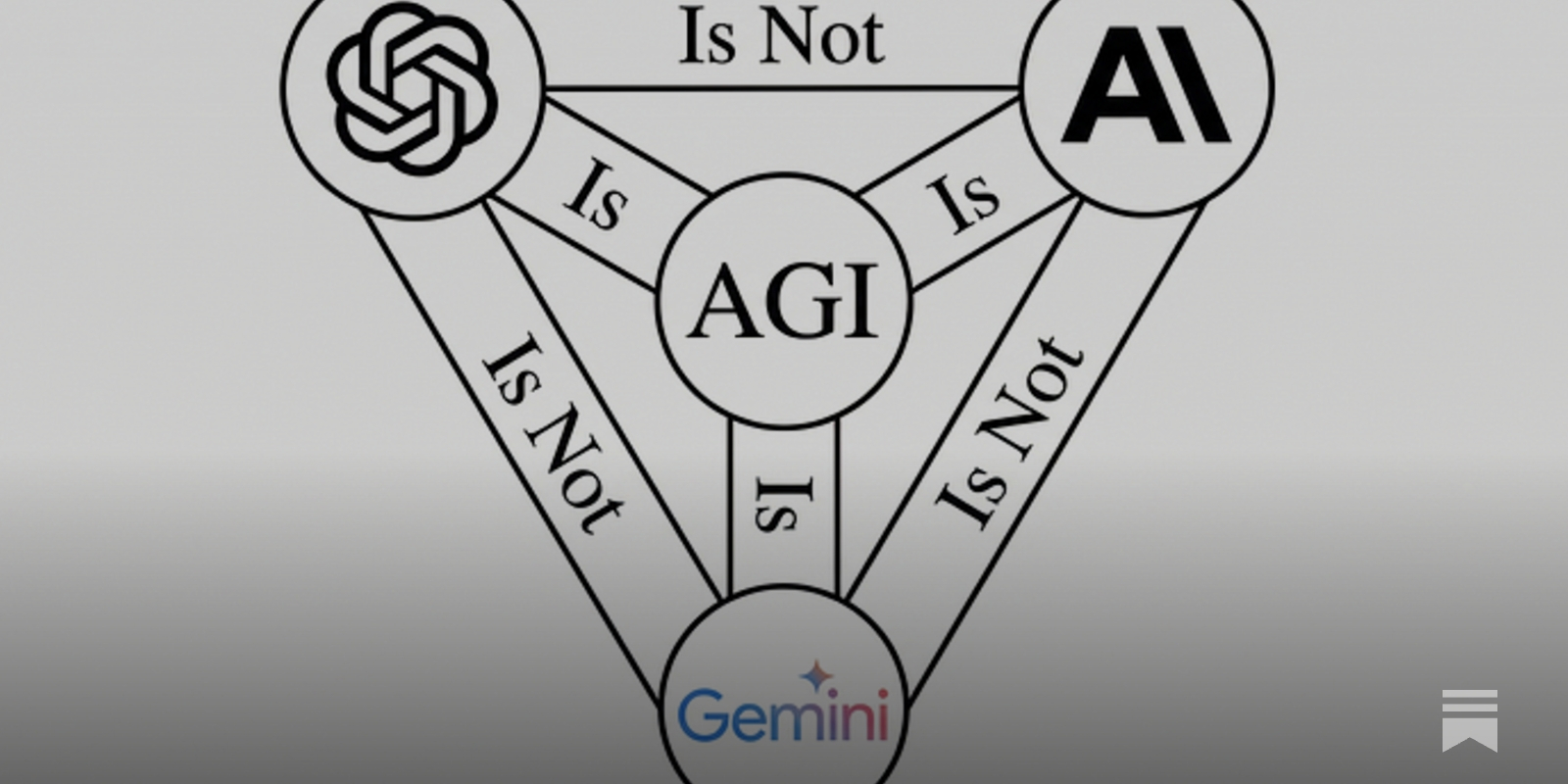
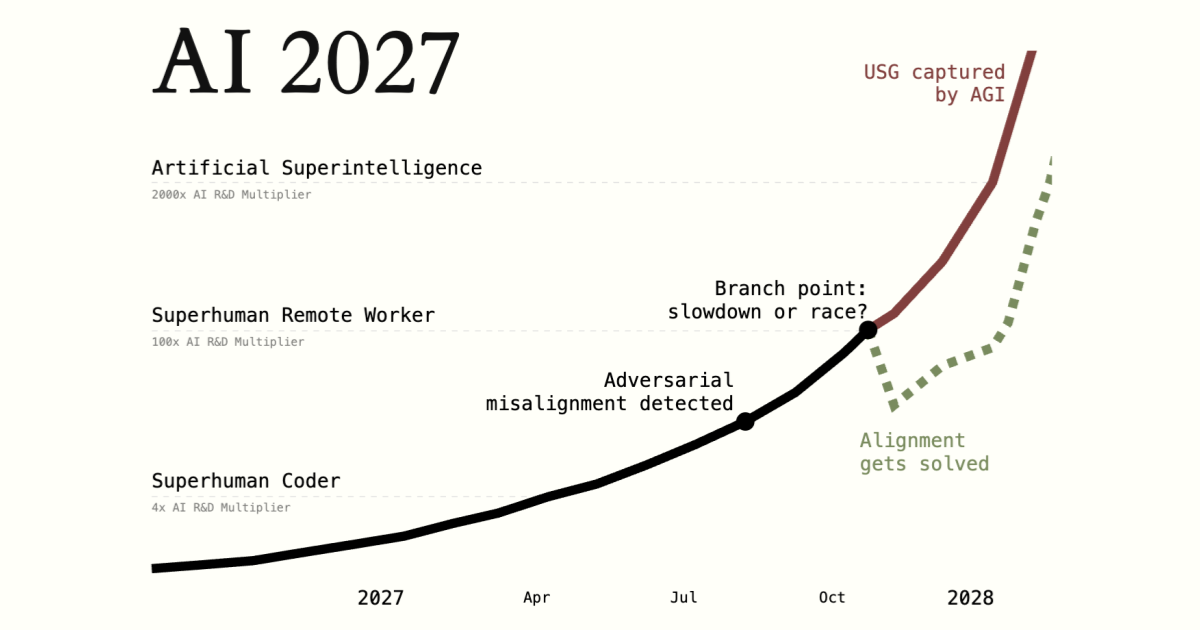
Debates about artificial intelligence (AI) tend to revolve around whether large models are intelligent, autonomous agents. Some AI researchers and commentators speculate that we are on the cusp of creating agents with artificial general intelligence (AGI), a prospect anticipated with both elation and anxiety. There have also been extensive conversations about cultural and social consequences of large models, orbiting around two foci: immediate effects of these systems as they are currently used, and hypothetical futures when these systems turn into AGI agents perhaps even superintelligent AGI agents.

Large AI models are cultural and social technologies – Henry Farrell
Debates about artificial intelligence (AI) tend to revolve around whether large models are intelligent, autonomous agents. Some AI researchers and commentators speculate that we are on the cusp of creating agents with artificial general intelligence (AGI), a prospect anticipated with both elation and anxiety. There have also been extensive conversations about cultural and social consequences of large models, orbiting around two foci: immediate effects of these systems as they are currently used, and hypothetical futures when these systems turn into AGI agents perhaps even superintelligent AGI agents.
The generative AI revolution has begun—how did we get here?
A new class of incredibly powerful AI models has made recent breakthroughs possible.

A new global map of the AI future
It’s easy to think of new tech developments as totally virtual — ideas that can spread anywhere, powered by the internet, blossoming wherever human ingenuity lives.

AI Almost Started a U.S.–China War — and No One Seems to Care
The tech world is too busy dreaming up imaginary doomsday scenarios to focus on a very real one that flared up between nuclear powers.
OpenAI goal is to build a world simulator - that learns the dynamics of the 3D real world - from videos & language descriptions. They claim the work indicates that training on ever larger datasets is a promising direction for learning such world models. But they are wrong:
OpenAI goal is to build a world simulator - that learns the dynamics of the 3D real world - from videos & language descriptions.They claim the work indicates that training on ever larger datasets is a promising direction for learning such world models.But they are wrong:— Chomba Bupe (@ChombaBupe) February 16, 2024
AI 2040: Plan A
A detailed forecast and recommendation for how the US, China and the rest of the world should navigate superintelligence.
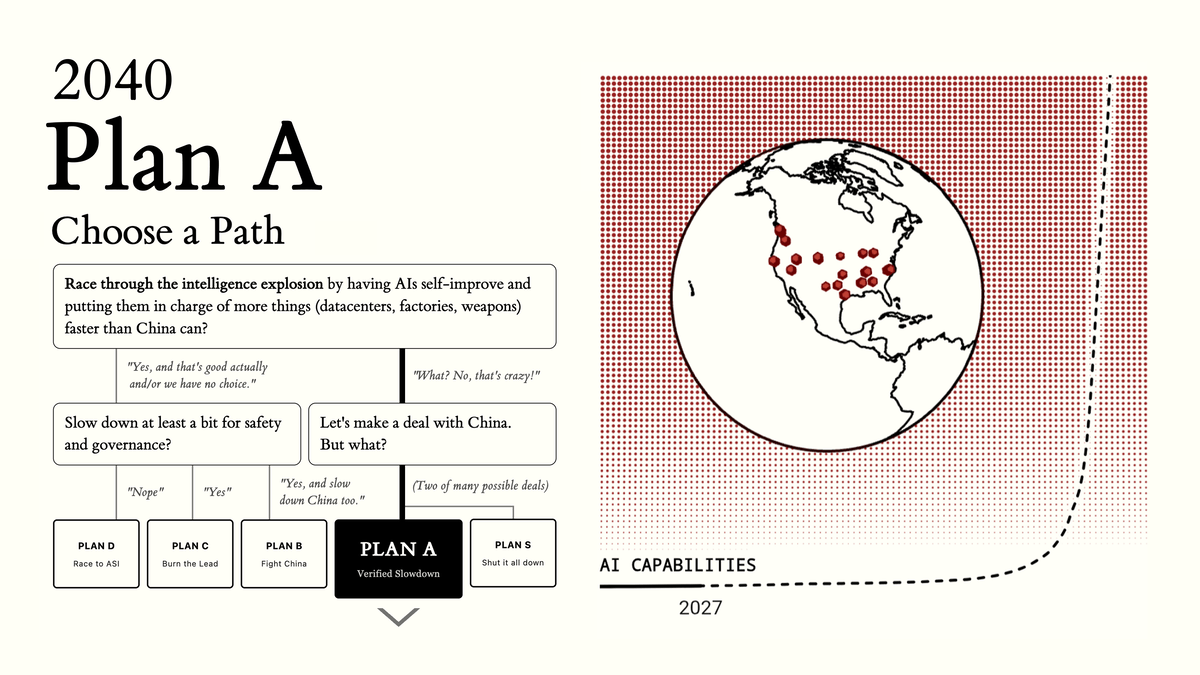
AI 2040: Plan A
A detailed forecast and recommendation for how the US, China and the rest of the world should navigate superintelligence.
TrendLife Study Shows AI Is Moving Fast, but Consumers and Families are Being Left Behind
New study of over 10,000 consumers across 9 countries reveals worry exceeds excitement about generative AI as most lack the tools and confidence to use it safely TOKYO, May 6, 2026 /PRNewswire/ --...


Large AI models are cultural and social technologies
Implications draw on the history of transformative information systems from the past , Debates about artificial intelligence (AI) tend to revolve around whether large models are intelligent, autonomous agents. Some AI researchers and commentators speculate that we are on the cusp of creating agents with artificial general intelligence (AGI), a prospect anticipated with both elation and anxiety. There have also been extensive conversations about cultural and social consequences of large models, orbiting around two foci: immediate effects of these systems as they are currently used, and hypothetical futures when these systems turn into AGI agents—perhaps even superintelligent AGI agents. But this discourse about large models as intelligent agents is fundamentally misconceived. Combining ideas from social and behavioral sciences with computer science can help us to understand AI systems more accurately. Large models should not be viewed primarily as intelligent agents but as a new kind of cultural and social technology, allowing humans to take advantage of information other humans have accumulated.