


From immersive learning and personalized tutors to lesson plans and grading, AI is everywhere in K-12 education.
Children of the Magenta Line
Why minimally guided AI does not work. Chatbots, novices, the automation of learning and the case for Alpha School
Learning in the Open: What AI Is (and Isn’t) Changing
Khan Academy shares what’s working with AI tutoring, what isn’t, and what we’ve learned from Khanmigo to better support student learning.
How Khan Academy Is Building a Better AI Tutor: Our Most Recent Learnings
Khan Academy shares how it improved its AI tutor Khanmigo with faster responses, smarter data use, and better student learning outcomes.
AI in the workplace vs. AI in education
Quoting Dan Willingham: Students should only use AI for things that they already know how to do well.
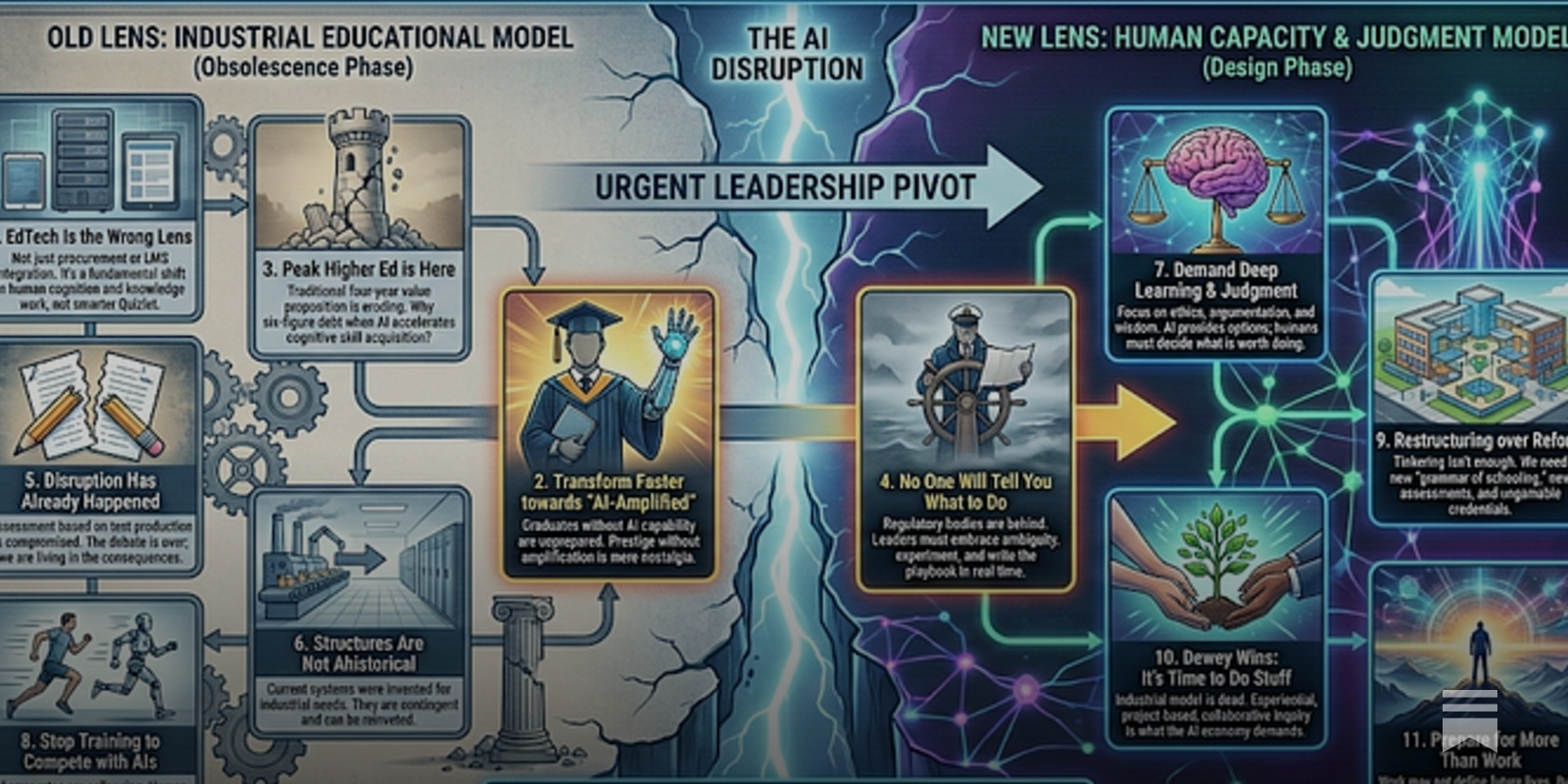
Eleven Things I Wish Educators Understood About AI and What it Means for "Education"
Thank you to all the supporters of this Substack.
AI Literacy Across the Curriculum
As you have no doubt seen, AI is becoming ubiquitous in our lives and in the technologies we use every day. Generative AI is no longer an experimental tool, but a deployed technology in many of the…

Kevin A. Bryan - Eight Rules for Teaching in AI World
Eight rules for how university teaching should change because of AI.
Report
MIT’s Ad Hoc Committee on AI Use in Teaching, Learning, and Research Training
Artificial intelligence in mathematics education: The good, the bad, and the ugly
Integrating Artificial Intelligence [AI] into mathematics education offers promising advancements and potential pitfalls. Striking a balance between AI-driven developments and preserving core pedagogical principles is critical in the teaching and learning environment. AI has emerged as a transformative force in various fields, including education. In the realm of mathematics education, AI technologies offer a spectrum of potential benefits (including personalize instruction, adaptive assessment, interactive learning environments, and real-time feedback, among others) and challenges (such as lack of creativity and problem-solving skills, inability to explain reasoning, bias in data and algorithms, absence of emotional intelligence and data privacy and security concern etc). This conceptual study used autoethnography as the methodology and qualitative content approach to analyze data. The study discussed historical background of AI and considered ethical issues around AI. It was concluded that the journey to harness the full potential of AI in mathematics education requires careful navigation of the good, the bad, and the ugly aspects inherent in this technological evolution.
Does AI stop children from learning?
New data show the peril and promise of the technology



AI Quests
AI Quests: A game-based learning experience for middle schoolers (11-14) on AI. Code-free quests use real Google projects to solve societal issues.
Young adults are leading the way in AI adoption - AP-NORC
Six in 10 adults have ever used AI to search for information. People under 30 are more likely to use AI for a variety of tasks, especially to brainstorm ideas.

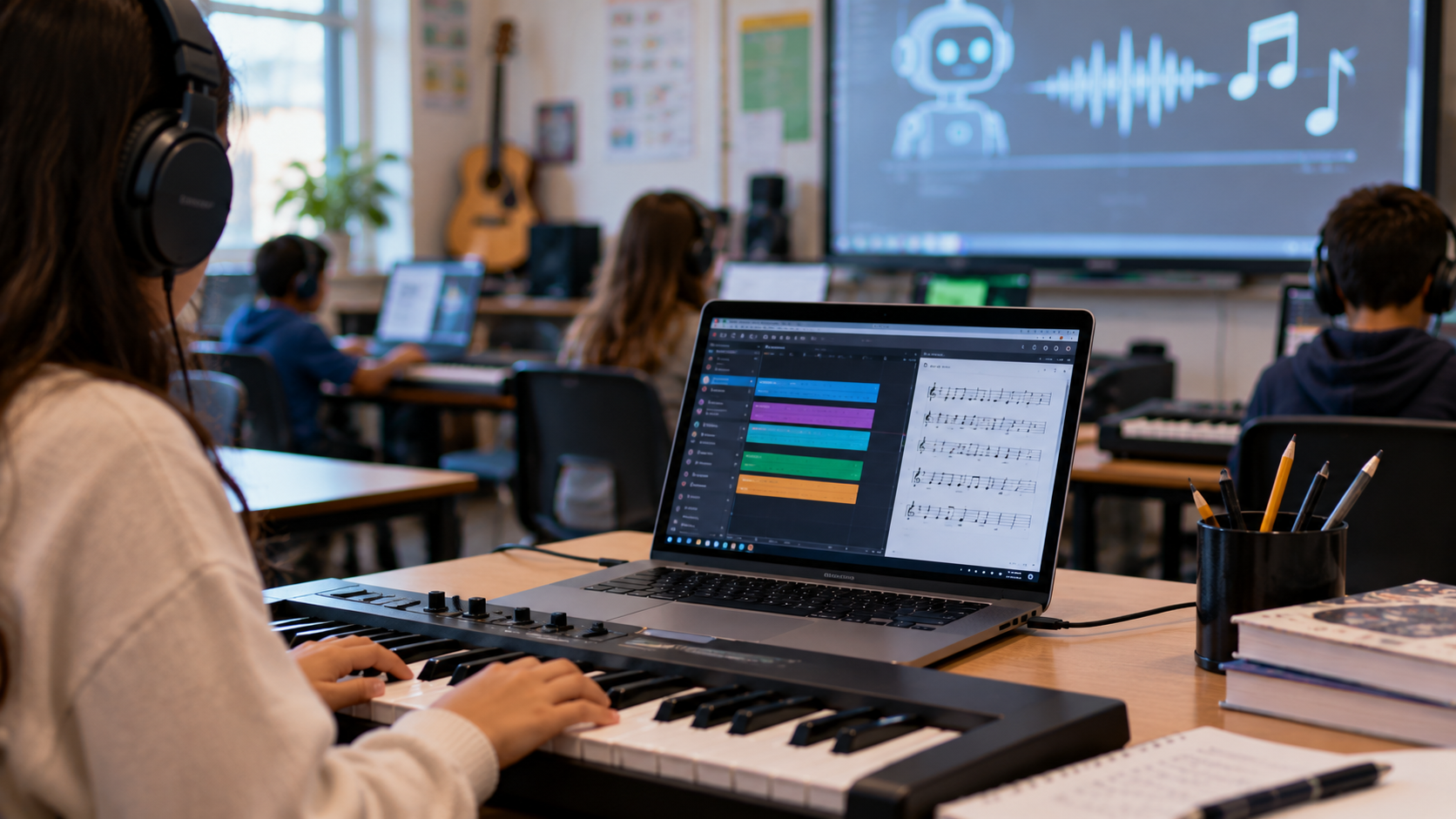
Artificial Intelligence in Music Classrooms: PK-12 Educators’ Practices, Concerns, and Confidence
Abstract In this descriptive survey study, we explore PK-12 music educators’ perceptions of AI, their current practices, confidence, concerns, and the types of support they need to utilize AI within their music programs. Fifty-four music educators from elementary, middle, and high school settings in Indiana completed an online survey. Quantitative survey responses such as demographic […]
AI in the Classroom

Investigating AI usage in the classroom as a parent of a child entering the K-12 system.

NYC school system to ban AI for elementary, middle school students
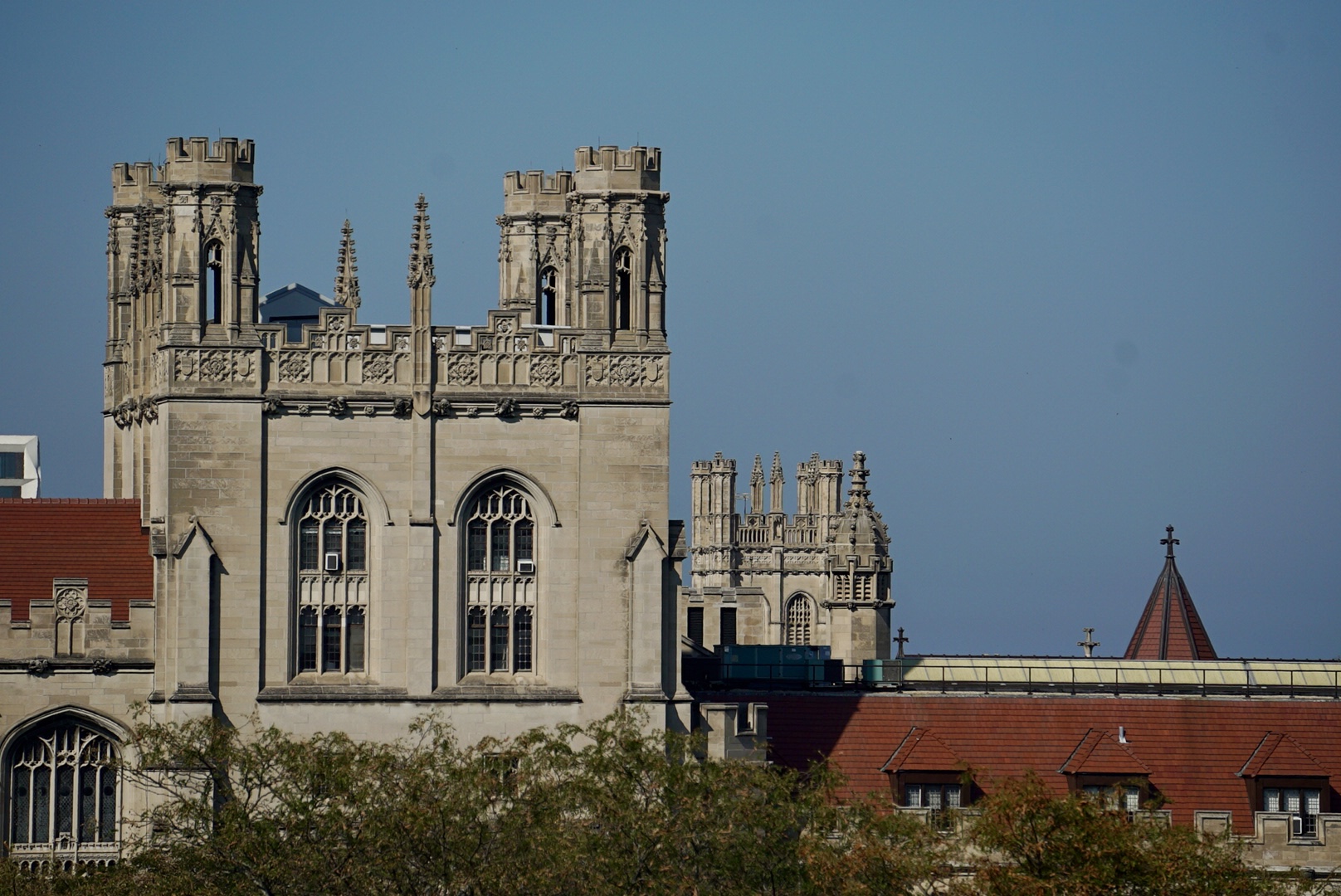
Sosc Core to Institute AI Ban, Technology-Free Classrooms This Fall
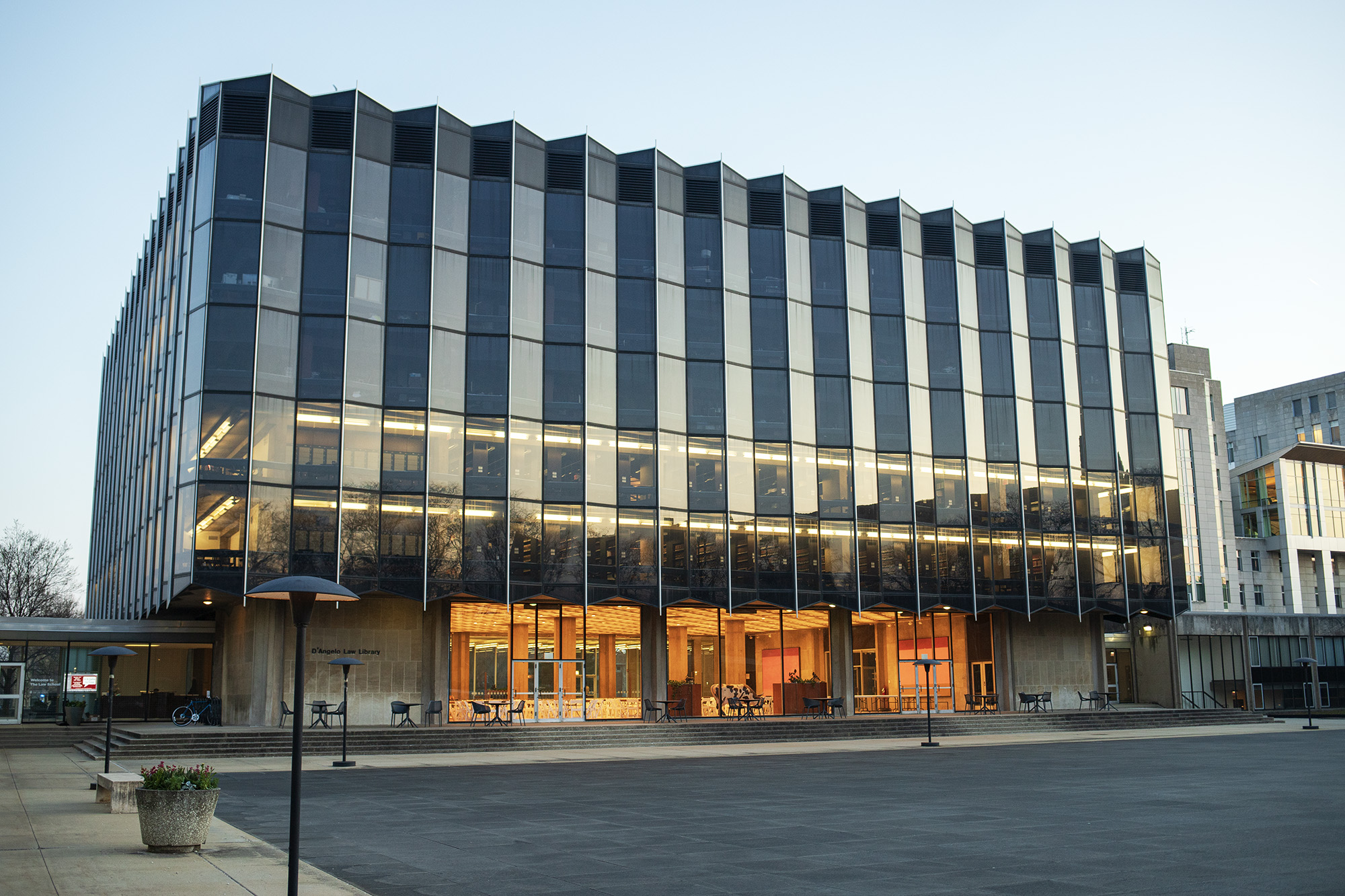
“The Template for Law Schools Around the World”: UChicago Law School Announces New AI Strategy
Does AI stop children from learning?

A new direction for students in an AI world: Prosper, prepare, protect | Brookings
What Parents Need to Know About AI in the Classroom | Stanford HAI