

Lower Ed: The Troubling Rise of For-Profit Colleges in the New Economy by Tressie McMillan Cottom (2017, The New Press) is simply excellent. Here's an excerpt, here's Dr. McMillan Cottom's page about the book, here's … | Cogito, Ergo Sumana | Blog by Sumana Harihareswara, Changeset founder
Khan Academy Blog
News, updates, and stories from the nonprofit that helps learners, teachers, and districts accelerate learning. Show all Educators ... Read more

Standardized Education | The Paper Pilot
The Paper Pilot's digital garden of thoughts on philosophy, politics, and sociology
Norway Abandons Ed-Tech, Embraces Books
A massive revolt against educational technology in the classroom is under way, especially in certain European nations. Education leaders in some countries have concluded that Ed-tech is the primary…

Clearing College Debt | The Paper Pilot
The Paper Pilot's digital garden of thoughts on philosophy, politics, and sociology
Decentralized Education | The Paper Pilot
The Paper Pilot's digital garden of thoughts on philosophy, politics, and sociology
Writings and rehearsals by Nathan Schneider
Welcome. I’m a professor of media studies at the University of Colorado Boulder, where I direct the Media Economies Design Lab and teach and learn from our students. I’ve written a book each on online democracy, cooperative enterprise, the Occupy movement, and God, and I’ve edited ones about solidarity economies, crypto, and co-ops. Reporting articles for both magazines and academic journals keeps my notebooks filled. Working with others to build a democratic economy keeps me accountable.
Academia: What Was "Digital Literacy"?
Short Shelf Lives Make For Bad Curricular Planning

The Syllabus on Twitter / X
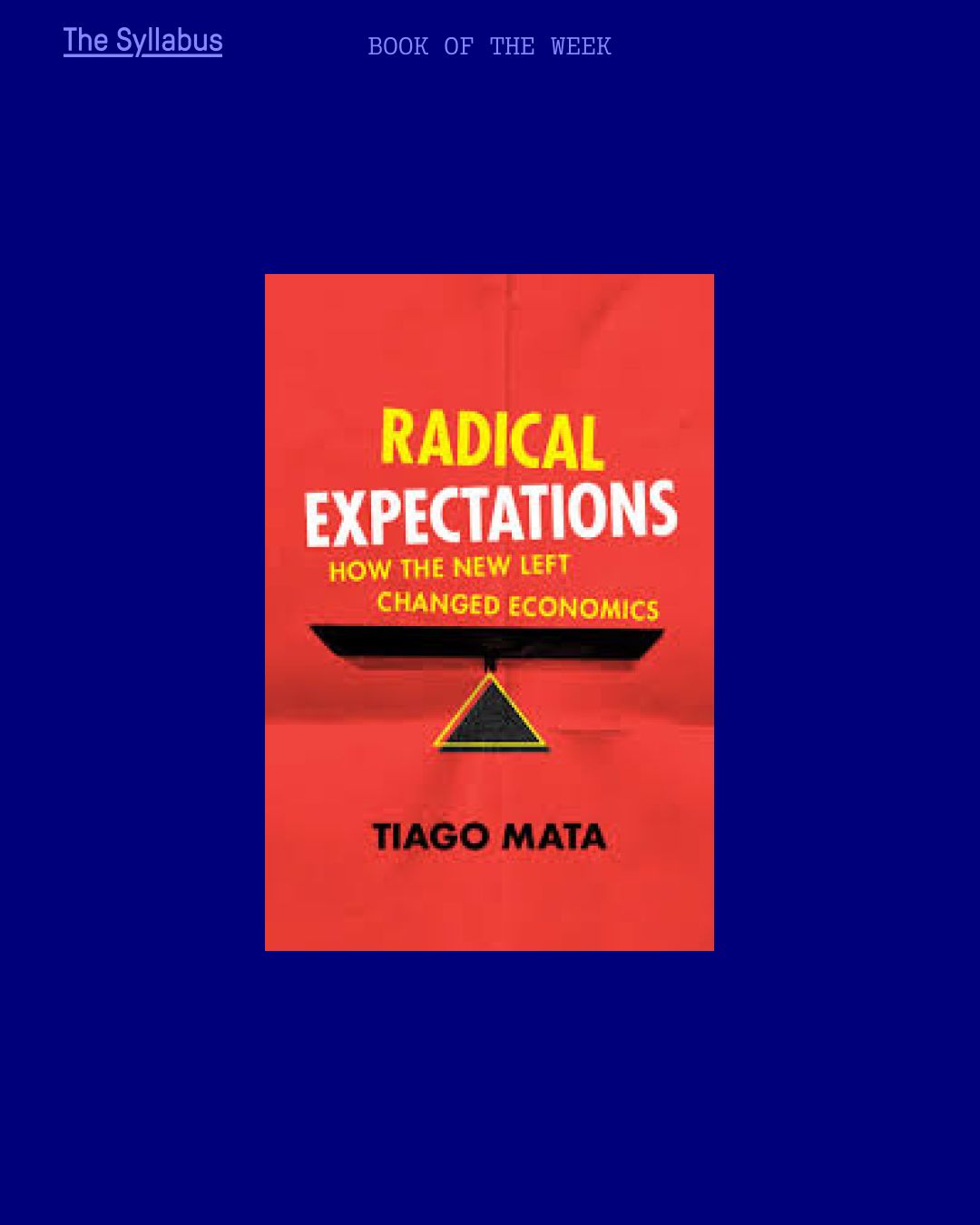
In the 1970s, radical economists left the university to work as activists. From the Union for Radical Political Economics to economic affairs bulletins, our book of the week investigates how the New Left changed economics.By Tiago Mata on @CambridgeUPhttps://t.co/aQQi9nqd0C pic.twitter.com/FM1A9nK5vN— The Syllabus (@syllabus_tweets) September 1, 2026
'The Drama' and the microgenerational digital divide
PLUS: The "forklift model" of A.I. education

Anarchism and Education
Judith Suissa Anarchism and Education A Philosophical Perspective 2006
The Left Case for Great Books | The Point Magazine
A great-books model at the undergraduate level is, in fact, so consonant with Freire’s radical critique that it represents a far better path forward for a left-wing vision of education than virtually anything else currently on offer in the United States.

The loss of staff belonging in higher education
Nick Hulbert-Williams argues that what looks like low morale and change fatigue in HE may really be a crisis of belonging

The Origin of Student Debt: Reagan Adviser Warned Free College Would Create a Dangerous "Educated Proletariat”
In 1970, Roger Freeman, who also worked for Nixon, revealed the right’s motivation for coming decades of attacks on higher education.

How to Break the Academic Silo Mindset - The Community Solution Education System
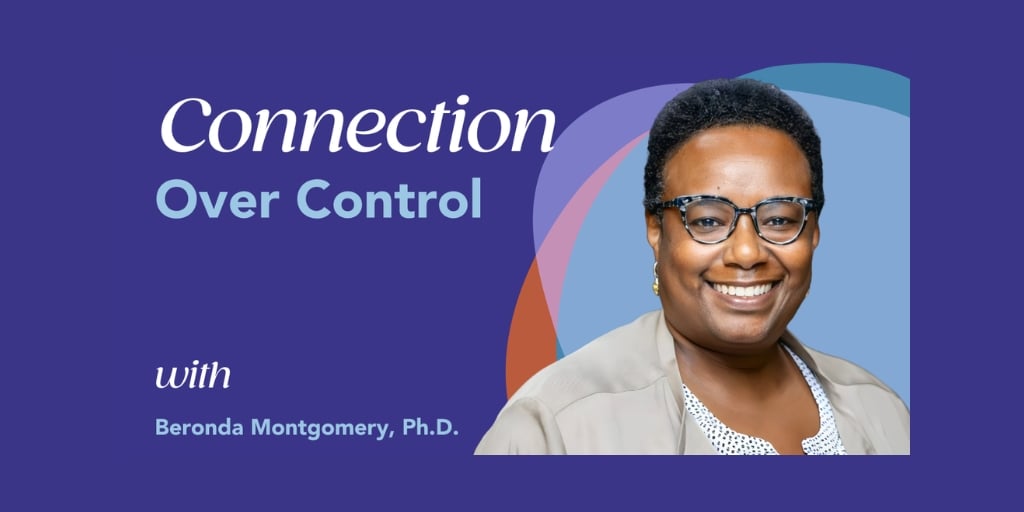
What’s stopping higher education from reaching its full potential? In this episode of Radical Cooperation, Dr. Michael Horowitz sits down with Dr. Beronda Montgomery—biologist, author of Lessons from Plants, and former Vice President for Academic Affairs and Dean at Grinnell College—to unpack why silos persist in colleges and universities, and how those divisions hold institutions […]
A New Way to Learn Economics
A group of economists has put together a new introductory curriculum that’s modern, comprehensive, and freely available online.

annotations: Quels sont les rendements de l’éducation ?
Blog de sciences économiques et sociales de Martin Anota. Traductions, revues de presse.