

HATS — health records that belong to the patient. Patients hold their records, institutions ask for what they need, the legal system gets a record of everything, and at the center, builders write the coordinator: code that knows the rules.
Social Uses of Personal Health Information Within PatientsLikeMe, an Online Patient Community: What Can Happen When Patients Have Access to One Another’s Data
Background: This project investigates the ways in which patients respond to the shared use of what is often considered private information: personal health data. There is a growing demand for patient access to personal health records. The predominant model for this record is a repository of all clinically relevant health information kept securely and viewed privately by patients and their health care providers. While this type of record does seem to have beneficial effects for the patient–physician relationship, the complexity and novelty of these data coupled with the lack of research in this area means the utility of personal health information for the primary stakeholders—the patients—is not well documented or understood. Objective: PatientsLikeMe is an online community built to support information exchange between patients. The site provides customized disease-specific outcome and visualization tools to help patients understand and share information about their condition. We begin this paper by describing the components and design of the online community. We then identify and analyze how users of this platform reference personal health information within patient-to-patient dialogues. Methods: Patients diagnosed with amyotrophic lateral sclerosis (ALS) post data on their current treatments, symptoms, and outcomes. These data are displayed graphically within personal health profiles and are reflected in composite community-level symptom and treatment reports. Users review and discuss these data within the Forum, private messaging, and comments posted on each other’s profiles. We analyzed member communications that referenced individual-level personal health data to determine how patient peers use personal health information within patient-to-patient exchanges. Results: Qualitative analysis of a sample of 123 comments (about 2% of the total) posted within the community revealed a variety of commenting and questioning behaviors by patient members. Members referenced data to locate others with particular experiences to answer specific health-related questions, to proffer personally acquired disease-management knowledge to those most likely to benefit from it, and to foster and solidify relationships based on shared concerns. Conclusions: Few studies examine the use of personal health information by patients themselves. This project suggests how patients who choose to explicitly share health data within a community may benefit from the process, helping them engage in dialogues that may inform disease self-management. We recommend that future designs make each patient’s health information as clear as possible, automate matching of people with similar conditions and using similar treatments, and integrate data into online platforms for health conversations.

The Medium is the Message: How Non-Clinical Information Shapes Clinical Decisions in LLMs | Proceedings of the 2025 ACM Conference on Fairness, Accountability, and Transparency
There has been a growing interest in the HCI community to study Health, with particular focus in understanding healthcare practices and designing technologies to support and to enhance these practices. A majority of current health studies in HCI have ...

Public Body Vulnerabilities
From the Met Office to the UK Health Security Agency to the Office for National Statistics, the UK relies on independent expert bodies to generate evidence, regulate complex industries, and hold government to account. This reference guide maps how 44 of those bodies are constituted and how their independence could be eroded by a determined government.

Health and Emergency Services - One Nation Victoria
Patients before bureaucracy. 24/7 regional emergency departments, a statewide view of waiting lists, modern fire trucks, and one-step organ donor sign-up.

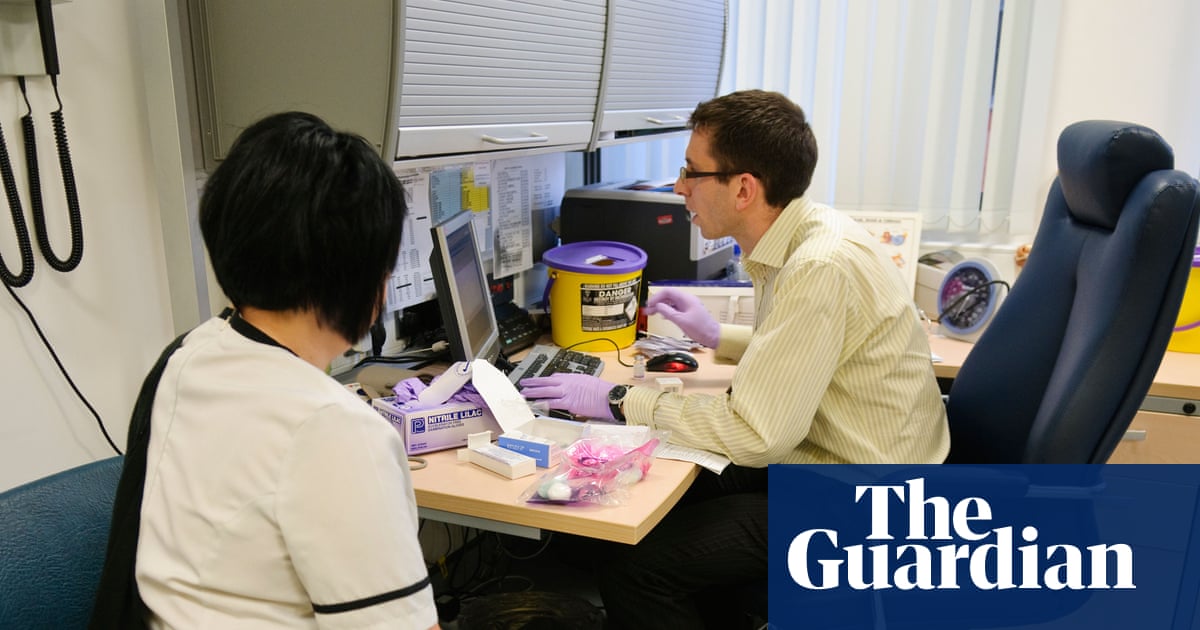
Doctors’ AI scribes get names of drugs and diagnoses wrong, NHS watchdog warns
Exclusive: Patients identify errors in consultation transcripts that are missed by GPs, Healthwatch England finds
High-performance medicine: the convergence of human and artificial intelligence
The use of artificial intelligence, and the deep-learning subtype in particular, has been enabled by the use of labeled big data, along with markedly enhanced computing power and cloud storage, across all sectors. In medicine, this is beginning to have an impact at three levels: for clinicians, predominantly via rapid, accurate image interpretation; for health systems, by improving workflow and the potential for reducing medical errors; and for patients, by enabling them to process their own data to promote health. The current limitations, including bias, privacy and security, and lack of transparency, along with the future directions of these applications will be discussed in this article. Over time, marked improvements in accuracy, productivity, and workflow will likely be actualized, but whether that will be used to improve the patient–doctor relationship or facilitate its erosion remains to be seen.

Letters - Patients, not Paperwork
Write medical letters instantly that sound like you. Enjoy unlimited, gold-standard transcriptions. Save 5+ hours weekly on paperwork. Letter's is an AI powered medical scribe and letter generation tool.

Digital Atlas | Healthcare Marketing & Medical Website Agency
Healthcare marketing agency for dermatology, medical, dental, orthodontic and plastic surgery practices. Medical websites, clinically verified content and AI search visibility.

What Works for Health
Evidence matters. Our What Works for Health tool will help you find policies and programs that are a good fit for your community's priorities.

Rethinking the Standard of Care for Myalgic Encephalomyelitis/Chronic Fatigue Syndrome
Official websites use .gov A .gov website belongs to an official government organization in the United States.

Fact Sheet 3: ME/CFS: Information for Medical Professionals
Fact Sheet 3: ME/CFS: Information for Medical Professionals Published December 2025 Link to pdf: ME/CFS: Information for Medical Professionals.pdf Discussion thread: Fact sheet #3: Information...
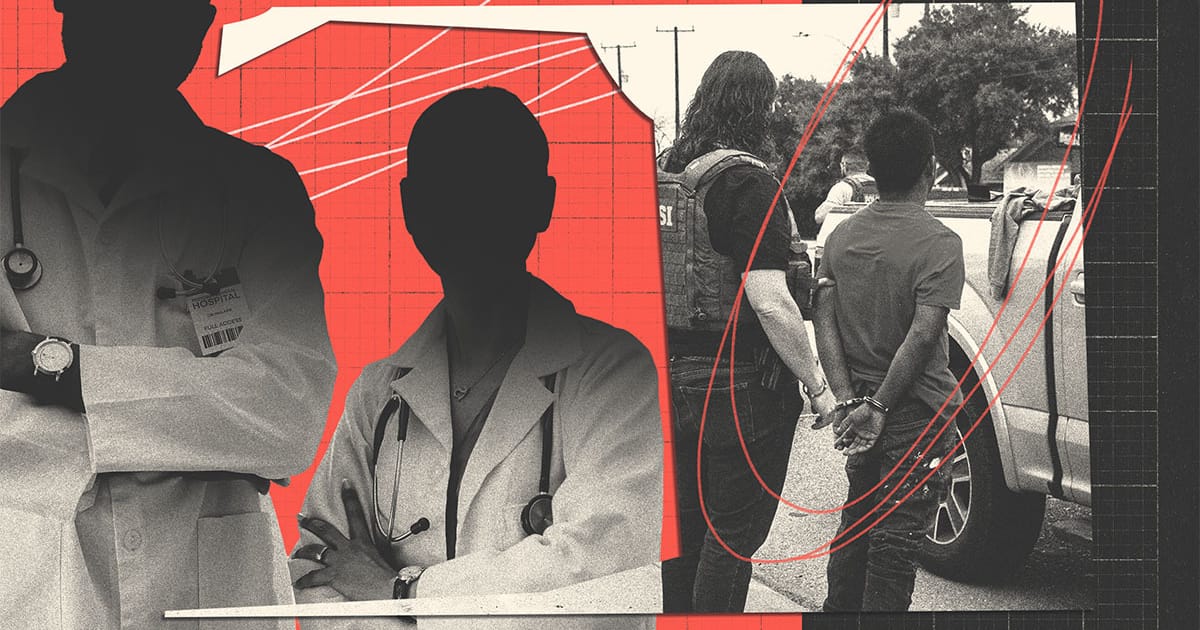
Explained: Medical Care in ICE Custody
When people in ICE custody have medical needs, who provides that care? What care is required? And who is responsible if those requirements aren’t met?
Your office equipment can reveal the identity of your special someone
In pilot study, microbial “fingerprints” turn up on loved ones and office items.

Collection of collections: Health/medicine

Note that I don’t have an actual background on the subject (as is the case with most things, but I thought it’s especially important to mention here)
Karoshi 過労死 (by あ) — Semble
COVID-19 (by あ) — Semble
Peptides (by 🎃) — Semble
Bird flu (by あ) — Semble
AI* and healthcare/medicine (by あ) — Semble
Public health (by あ) — Semble

