


Jon Saad-Falcon*, Avanika Narayan*, John Hennessy, Azalia Mirhoseini, Chris Ré
What is Intelligence? | Antikythera

Commodity Intelligence
The seductiveness of “general intelligence” is rooted in a costly category error


Pricing - Intelligence Per Watt
Benchmarking Intelligence Efficiency of LM Inference
Intelligence Per Watt
From 1946 to 2009, computing efficiency—performance per watt—doubled every 1.5 years. This trend, documented by Koomey and colleagues, transformed where computing could happen. Workloads migrated from mainframe rooms to desktops, then laptops, then pockets. The transition from centralized time-sharing to personal computing didn't occur because PCs surpassed mainframes in raw performance. It occurred when efficiency gains made computing capable enough within the power constraints of personal devices.
How ‘Jagged Intelligence’ Can Reframe the A.I. Debate
A.I. has always been compared to human intelligence, but that may not be the right way to think about it. What it does well can help predict what jobs it may replace.

A City Is Not a Computer
This seems an obvious truth, but we need to say it loud and clear. Urban intelligence is more than information processing.

Telemetry Overview - Intelligence Per Watt
Benchmarking Intelligence Efficiency of LM Inference
The Obvious Case for Open and Local AI — Osaurus
AI is a step change in what one person can do—but the power is being rented back to us. Here's the case for intelligence you can run, inspect, and keep.

The Use of Knowledge in (AGI) Society
How to build to break the intelligence curse

Luozhu on Twitter / X
For AI products, people generally think the intelligence dominates everything, while privacy and cost are seen as secondary. The industry’s path shows this: we’ve spent huge money in leading labs to build the largest models with exceptional intelligence.But I believe we’ve… pic.twitter.com/oobAyk55rh— Luozhu (@LuozhuZhang) September 10, 2025

Jeyzma - Go with your own intelligence
Go with your own intelligence. System One decisions, 100% local in your browser.

All intelligence is collective intelligence
Author: Falandays, J. Benjamin et al.; Genre: Journal Article; Published online: 2023-04-28; Open Access; Keywords: Collective intelligence, self-organization, multicellularity, neural Darwinism, behavioral coordination, cultural evolution; Title: All intelligence is collective intelligence
Why A Neurotech VC Bet On Anthropic: Intelligence, Interpretability, and the NeuroAI Stack — Kaleida Capital
Why would a neurotech VC bet on Anthropic? This article examines how frontier AI, neuroscience, model behavior, and intelligent systems intersect within Kaleida Capital’s NeuroAI thesis and the infrastructure shaping next-generation intelligence.

Opinion | Can You Get Smarter? (Published 2015)
There is much that you can do to keep cognitively sharp.

Collective Intelligence Research

Explorations into the idea that a group of humans is "more intelligent" than the sum of their "IQ" (i.e. "groups of individuals doing things collectively that seem intelligent")
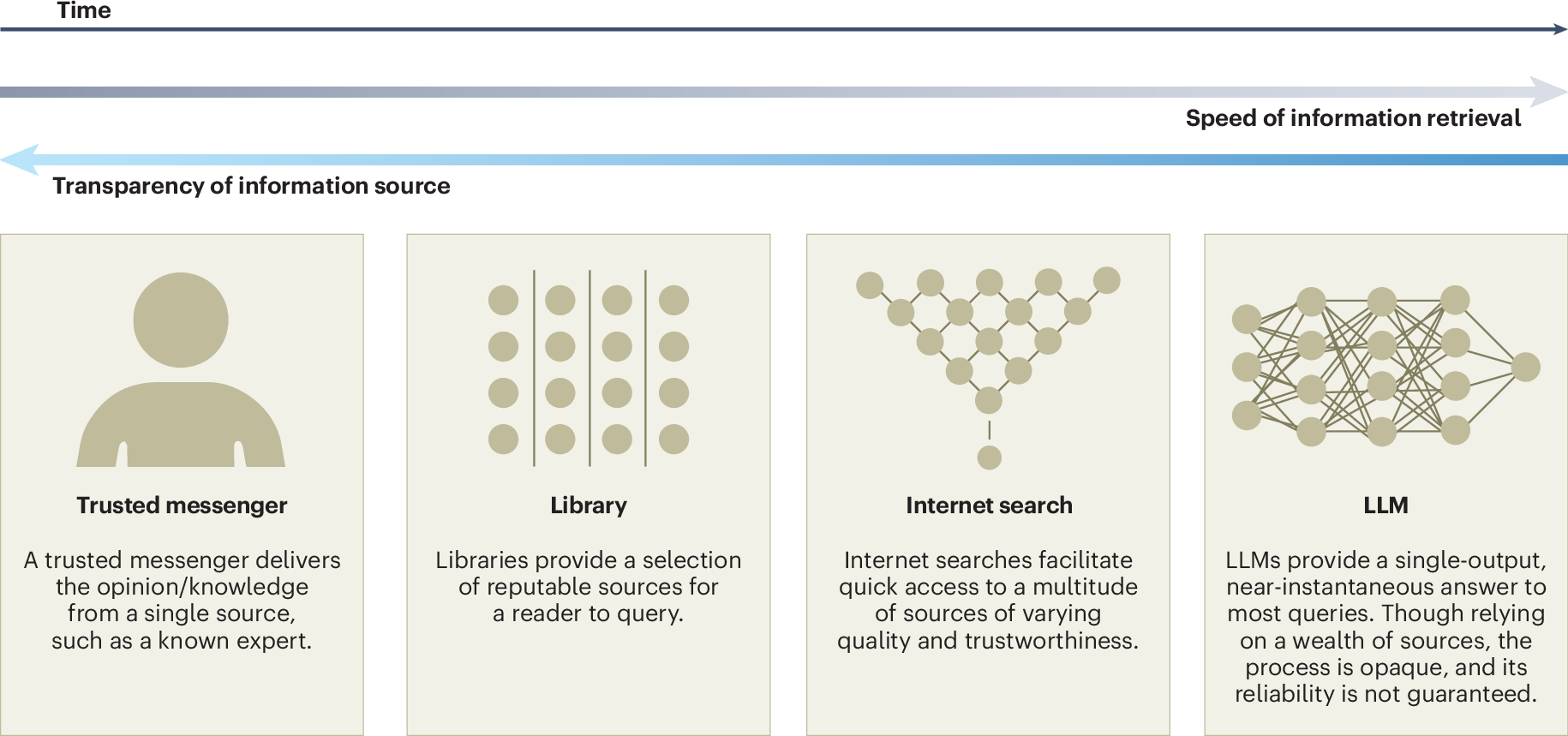
How large language models can reshape collective intelligence

Sharing Notes about Collective Intelligence — Pop Junctions

Socially Minded Intelligence: How Individuals, Groups, and Artificial Intelligence Can Make Each Other Smarter (or Not)

Profile: Adrien Treuille

NOVA | The Wisdom of the Crowds | Season 45 | Episode 6
Mapping Citizen Science through the Lens of Human-Centered AI